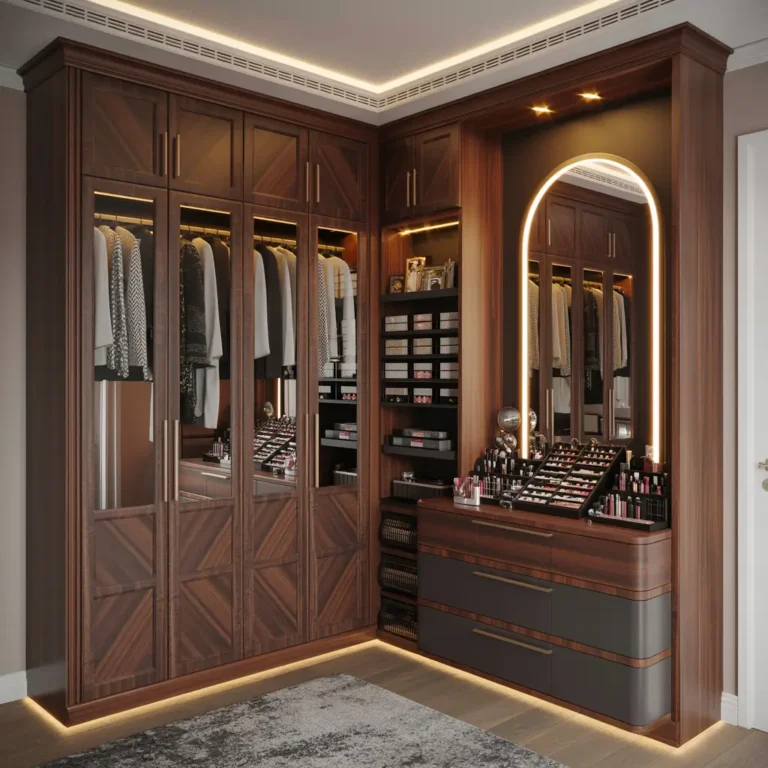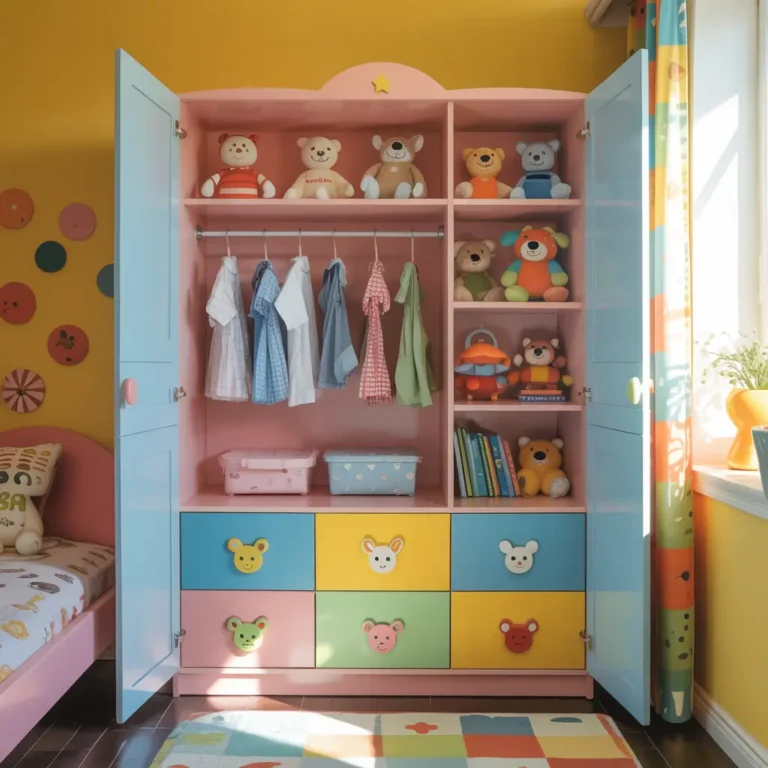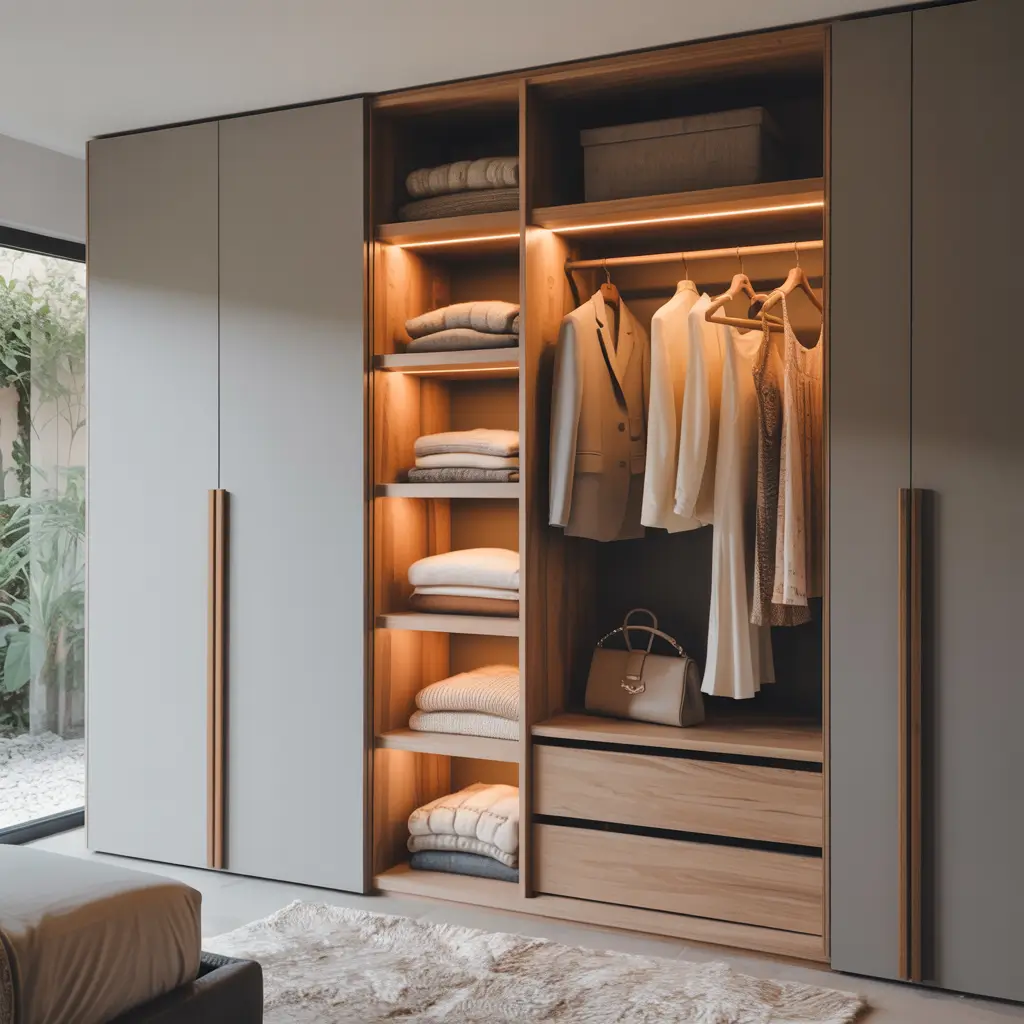
15 Creative Small Wardrobe Design Layouts for Apartments

Let’s be real—living in a small apartment means you’re constantly playing Tetris with your belongings. I’ve spent way too many mornings staring at my overflowing closet, wondering if Marie Kondo would judge me. But here’s the thing: small spaces don’t mean you have to sacrifice style or functionality. After years of apartment living and helping friends squeeze storage into shoebox-sized rooms, I’ve gathered some seriously clever wardrobe design ideas that’ll make your life easier.
You know that feeling when you can’t find your favorite shirt because it’s buried under a mountain of clothes? Yeah, we’re fixing that today. Whether you’re renting a studio or dealing with a bedroom that barely fits a bed, these 15 creative wardrobe layouts will help you reclaim your space and your sanity.
Compact Corner Wardrobe Ideas
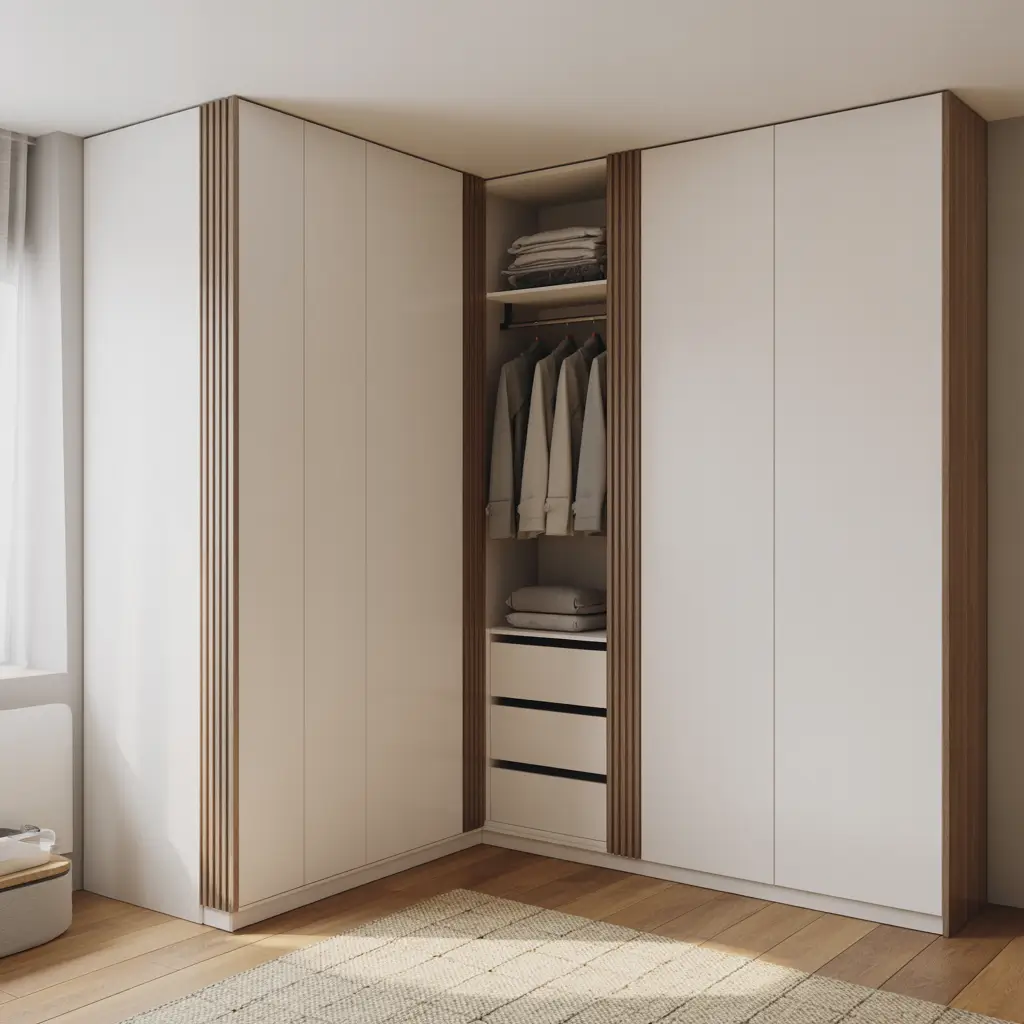
Ever notice how corners just sit there doing absolutely nothing? What a waste, right? Corner wardrobes are absolute game-changers for small apartments because they use that awkward dead space nobody thinks about.
I installed an L-shaped corner wardrobe in my previous apartment, and honestly, it felt like I’d discovered a secret storage dimension. These designs typically feature angled doors or rotating carousel systems that let you access everything without the usual corner-closet frustration of items disappearing into the abyss.
Here’s what makes corner wardrobes brilliant:
- Maximize unused space without taking up valuable wall real estate
- Create visual flow by fitting naturally into the room’s architecture
- Offer surprisingly deep storage for bulkier items like winter coats
- Come in custom configurations that adapt to your specific corner dimensions
The best part? You can find corner units that fit into those weird angles many apartments have. Some designs even include pull-out racks that bring your clothes to you, which is ridiculously satisfying to use.
Minimalist Small Bedroom Wardrobes
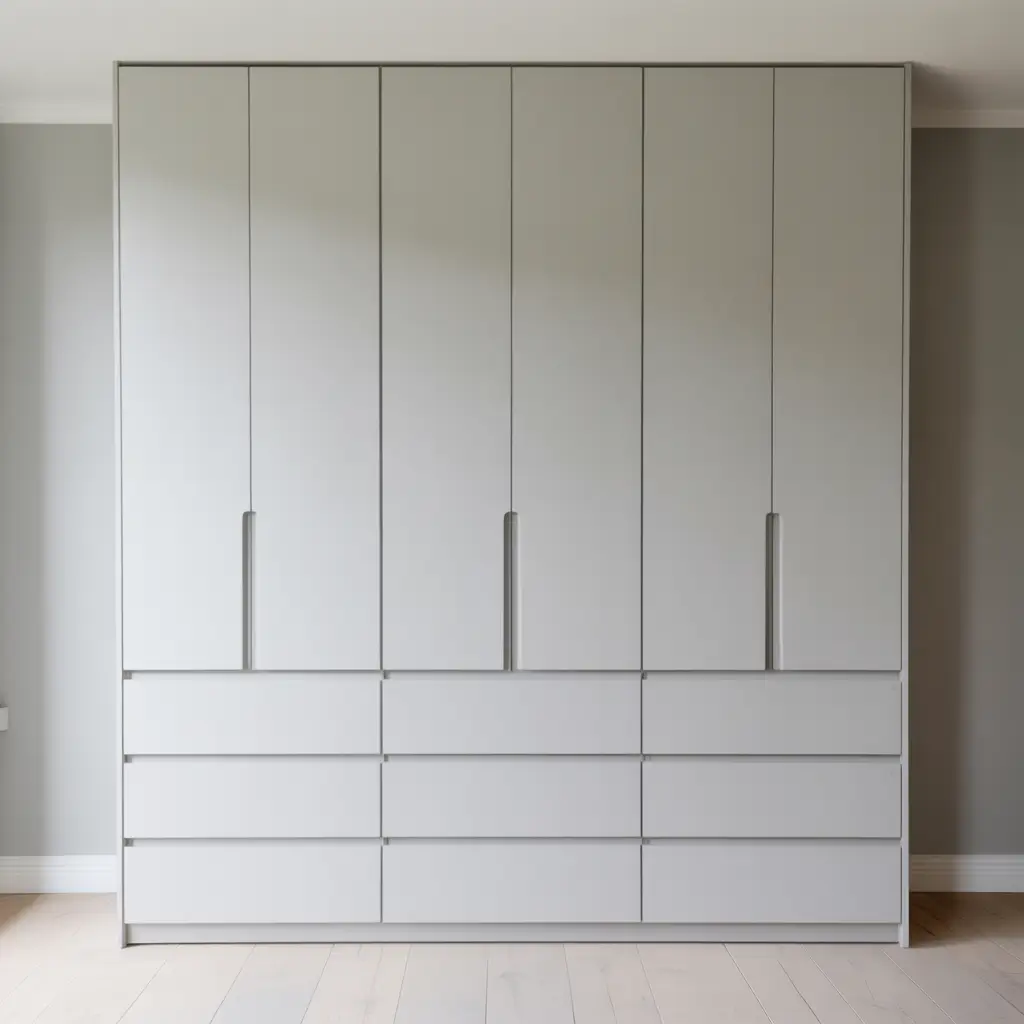
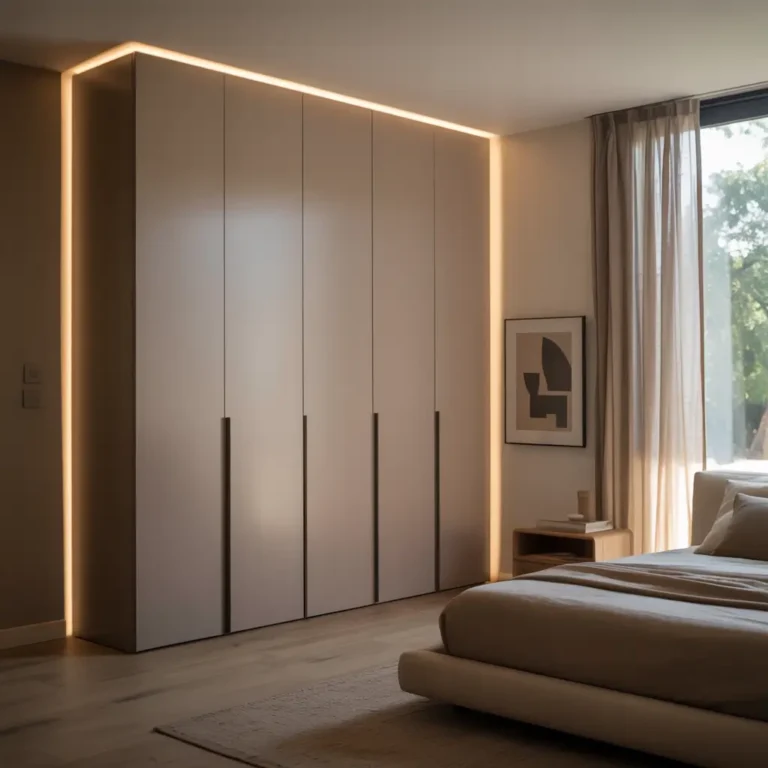
Minimalism isn’t just a Pinterest aesthetic—it’s a survival strategy for small spaces. Minimalist wardrobes strip away the unnecessary, leaving you with clean lines and maximum functionality.
I’ll admit, I used to think minimalist meant boring. Then I actually tried it, and wow, the difference is incredible. A minimalist wardrobe typically features simple geometric shapes, neutral colors, and zero decorative elements that eat up visual space.
The magic happens with:
- Handle-free push-to-open doors that create seamless surfaces
- Floating designs that make your floor space look larger
- Integrated lighting that eliminates the need for additional lamps
- Monochromatic color schemes (usually white, gray, or natural wood)
These wardrobes work because they disappear into your room rather than dominating it. Your eyes aren’t constantly drawn to a bulky furniture piece, which psychologically makes the entire space feel bigger. Pretty neat trick, huh?
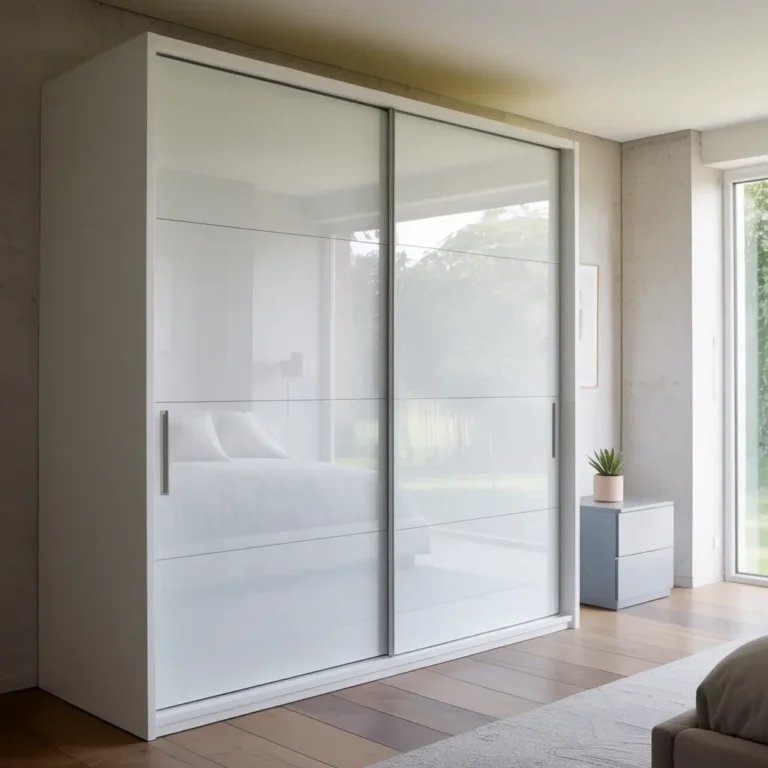
Sliding Door Wardrobes for Tiny Spaces
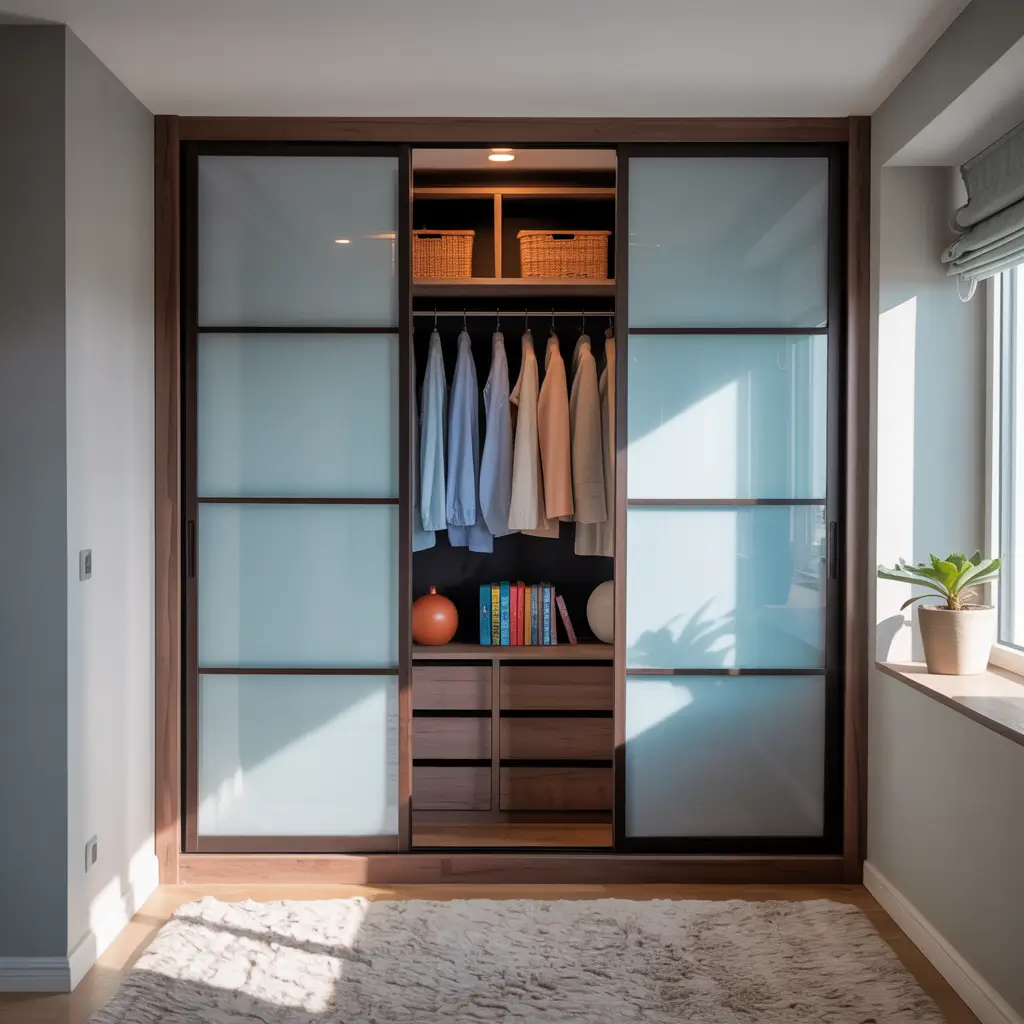
Swing doors are the enemy of small apartments. There, I said it. Sliding doors are the obvious solution everyone should consider, yet somehow people still install wardrobes that require half the room just to open.
My current apartment has a sliding door wardrobe, and I genuinely can’t imagine going back. You can position furniture right in front of it—well, not directly in front, but you get what I mean—without playing musical chairs every time you need clean underwear.
Key benefits include:
- Zero clearance needed for door swing radius
- Modern, sleek appearance that suits contemporary apartments
- Mirrored options that double as full-length mirrors (more on this later)
- Soft-close mechanisms that prevent the 6 AM slam when you’re trying not to wake your partner
FYI, the tracking system matters more than you’d think. Cheap tracks get stuck or misaligned, which defeats the whole purpose. I learned this the hard way with a budget unit that drove me crazy for two years.
Modular Wardrobe Systems for Small Rooms
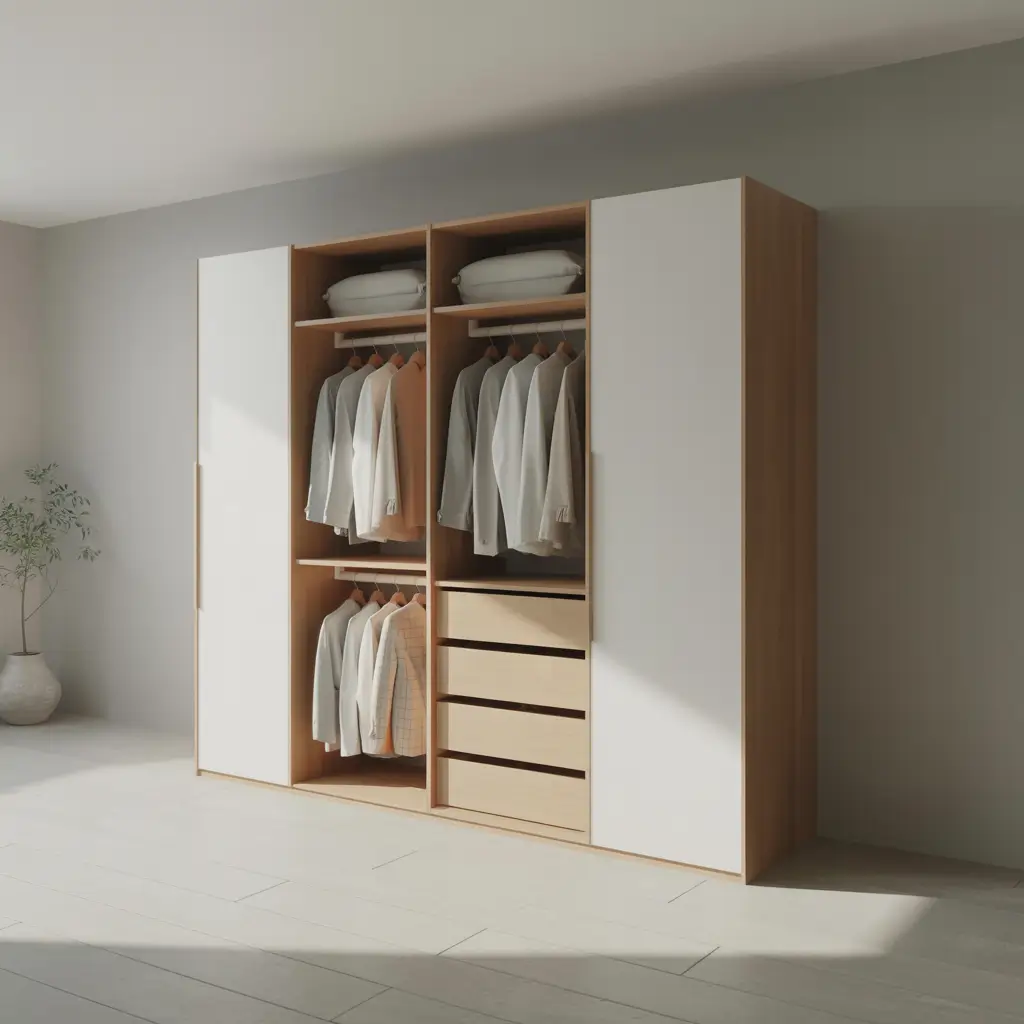
Modular systems are like adult LEGOs for your storage needs. You start with basic components and customize everything to fit your exact requirements. Perfect for renters who might move or people whose storage needs change over time.
I love modular systems because they grow with you. Got a new job that requires business attire? Add hanging space. Developing a sneaker obsession? Add shoe cubbies. It’s flexible in a way traditional wardrobes just aren’t.
Popular modular elements:
- Adjustable shelving units that reconfigure without tools
- Removable hanging rods at customizable heights
- Stackable drawer modules that maximize vertical space
- Add-on accessories like belt racks, jewelry trays, and tie organizers
The initial investment might be slightly higher, but you’re essentially future-proofing your storage. Plus, when you move, you can reconfigure the entire system to fit a completely different space. Try doing that with a traditional wardrobe 🙂
DIY Space-Saving Wardrobe Hacks
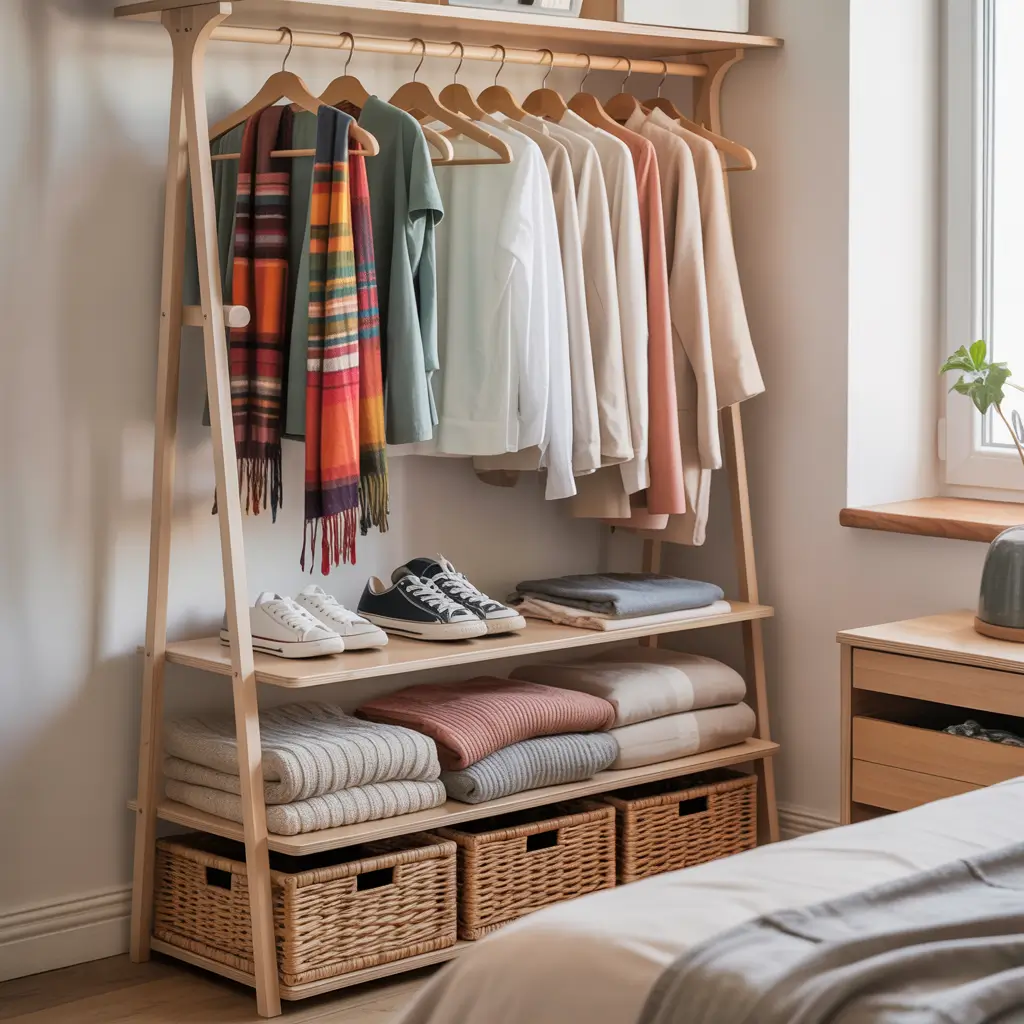
Not everyone has the budget for custom furniture, and that’s totally fine. Some of the most creative wardrobe solutions I’ve seen were DIY projects costing less than a weekend brunch budget.
My favorite hack? Tension rods. Seriously, these simple tools can create hanging space in the weirdest places. I’ve used them to create double-hanging sections, add extra shelving, and even make a temporary shoe rack behind a door.
Budget-friendly DIY ideas:
- Command hooks everywhere for bags, scarves, and accessories
- Hanging organizers on the back of doors (instant pocket storage)
- Pegboard walls that turn vertical space into display storage
- Curtain rods with shower rings for hanging pants and skirts
- Wooden crates stacked and secured as modular shelving
The beauty of DIY solutions is that you can experiment without commitment. Hate it? Take it down. Love it? You just saved hundreds of dollars and earned bragging rights.
Also Read: 15 Stylish Luxury Wardrobe Designs and Modern Closet Inspiration
Open Closet Concepts for Small Bedrooms
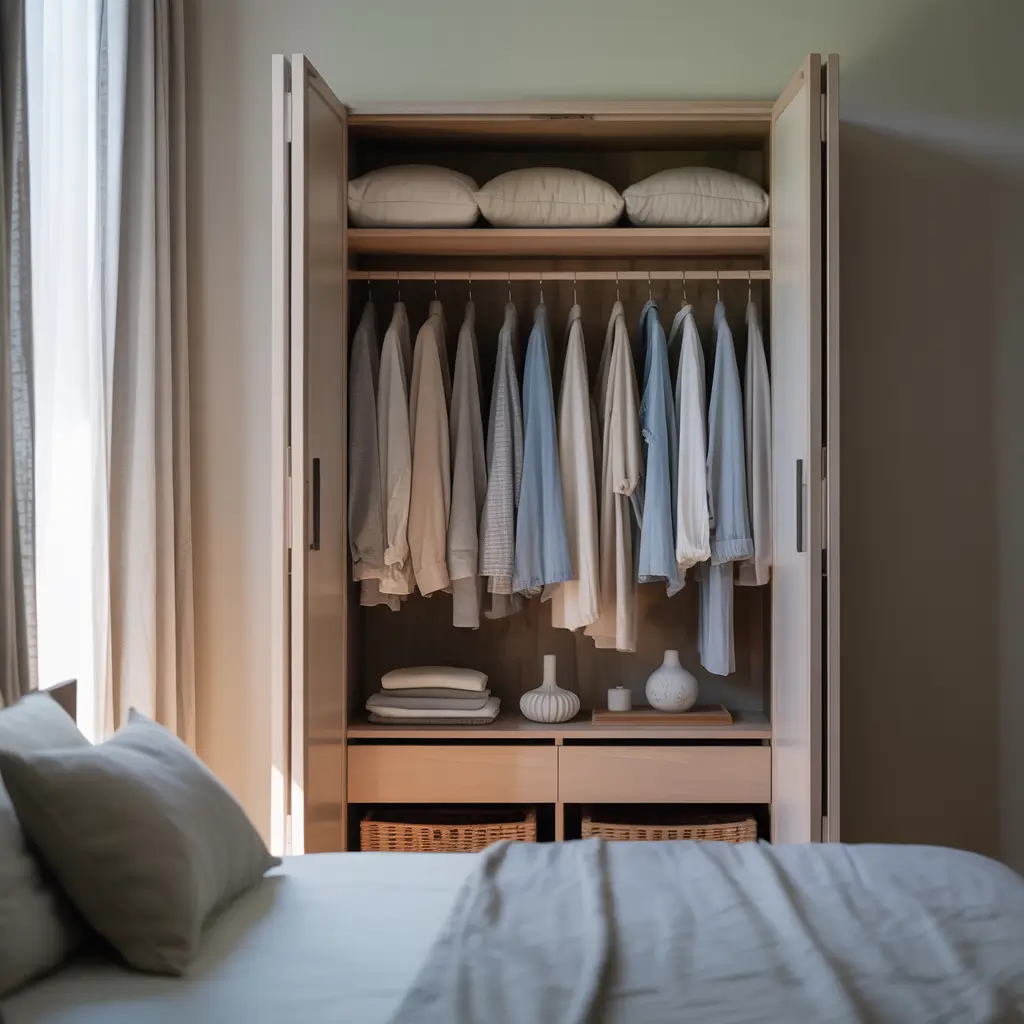
Hear me out on this one—sometimes removing doors entirely makes a space feel bigger. Open closets aren’t for everyone (especially if you’re not naturally organized), but they can transform a cramped bedroom into an airy, boutique-like space.
I tried this approach in a particularly tiny bedroom, and the psychological effect surprised me. Without a bulky wardrobe taking up visual space, the room immediately felt more open. Plus, seeing all my clothes displayed made getting dressed way easier.
Open closet essentials:
- Consistent hangers (mismatched ones look chaotic)
- Color-coordinated organization for visual appeal
- Decorative storage boxes for items you don’t want displayed
- Good lighting to highlight your clothes like a retail store
The main challenge? You need to keep it tidy because everything’s visible. If your floor is currently covered in questionable laundry piles, maybe skip this one. Or use it as motivation to finally develop better habits—no judgment here.
Vertical Storage Wardrobe Solutions
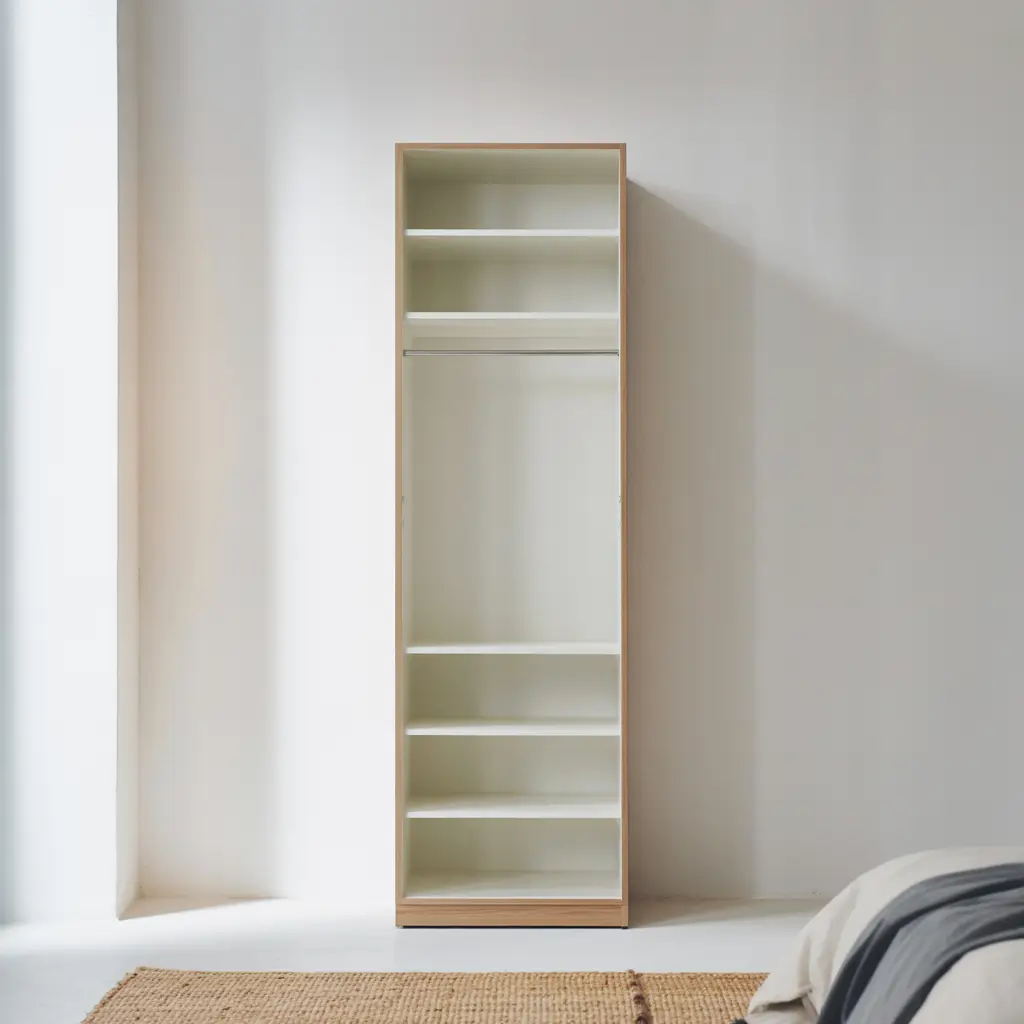
When you can’t build out, build up. Most apartment dwellers completely underutilize their vertical space, and I genuinely don’t understand why. The space between your wardrobe and ceiling is just sitting there, mocking you.
Floor-to-ceiling wardrobes maximize every inch of available height. Yes, you’ll need a step stool for the top shelves, but that’s where you stash seasonal items you don’t need daily. Winter coats in July? Up top. Beach bags in December? Same deal.
Vertical optimization strategies:
- Ceiling-height installations that create the illusion of higher ceilings
- Stacked storage boxes labeled for easy identification
- Over-the-rod shelving for bags and hats
- Vertical dividers for sweaters and shirts that prevent toppling
- Tall, narrow designs that fit in slim wall spaces
I installed a floor-to-ceiling unit in a bedroom with 9-foot ceilings, and the storage capacity basically doubled. The room also looked taller, which was an unexpected bonus.
Hidden & Built-in Wardrobe Designs
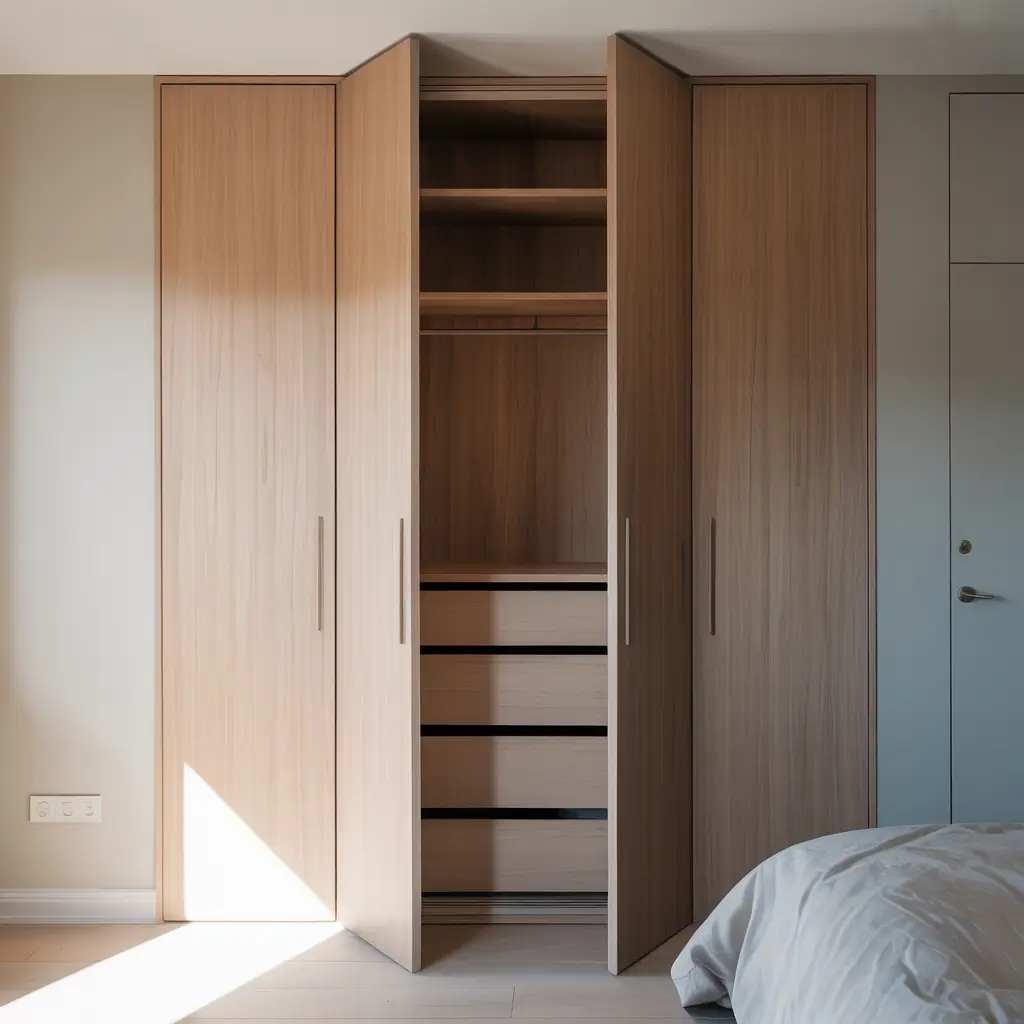
Built-in wardrobes are the holy grail of small apartment storage—they look like part of the architecture rather than furniture plopped into a room. I’m obsessed with designs that hide storage behind what looks like regular wall paneling.
These require more planning and possibly landlord approval if you’re renting, but the results are stunning. I’ve seen entire walls transform into storage solutions with doors painted to match the room, making the wardrobe virtually invisible.
Built-in wardrobe features:
- Custom-fitted to exact room dimensions with zero wasted space
- Alcove integration that uses recessed wall areas
- Under-bed storage drawers built into platform bed frames
- False wall installations that create closets in unconventional spaces
The downside? You can’t take them with you when you move. But if you own your place or plan to stay long-term, this investment seriously pays off in both function and aesthetics.
Modern Small Walk-in Wardrobes
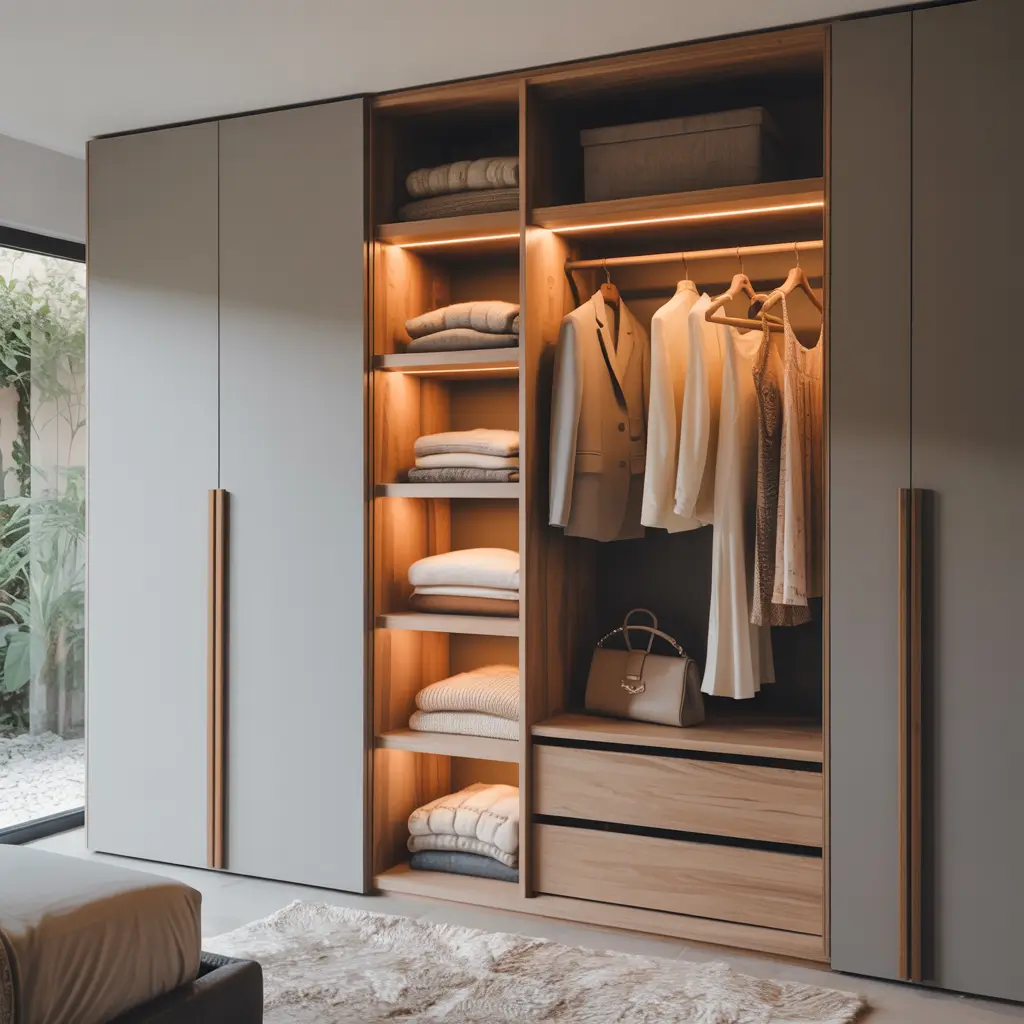
Think walk-in closets are only for mansions? Think again. I’ve seen clever designers create functional walk-ins in spaces barely bigger than a bathroom. The secret is efficient layout planning and accepting that “walk-in” might mean “carefully shuffle-in.”
A friend converted a small alcove—maybe 4×6 feet—into a walk-in using floor-to-ceiling shelving on three sides and a curtain instead of a door. It completely changed how she organized her wardrobe and gave her apartment a luxury feel on a budget.
Small walk-in essentials:
- U-shaped or L-shaped layouts that maximize three walls
- Mix of hanging and shelving at different heights
- Central island or ottoman for folded items (if space permits)
- Smart lighting including motion-sensor LEDs
- Full-length mirror positioned strategically for dressing
IMO, even a tiny walk-in beats a traditional wardrobe because you can see everything at once. No more excavating through layers to find one specific item.
Also Read: 15 Stylish Luxury Wardrobe Designs and Modern Closet Inspiration
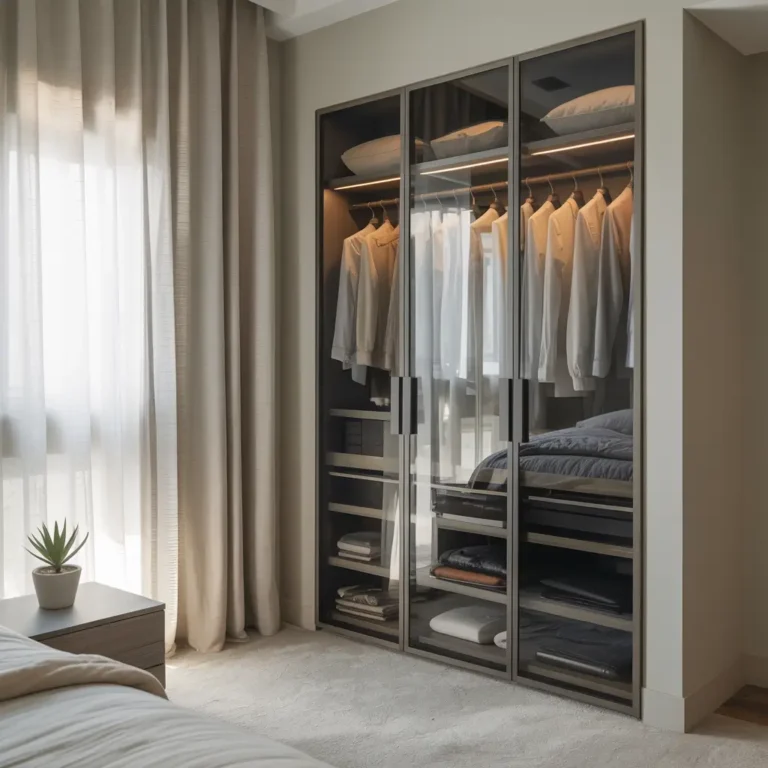
Multi-Functional Wardrobes with Drawers & Shelves
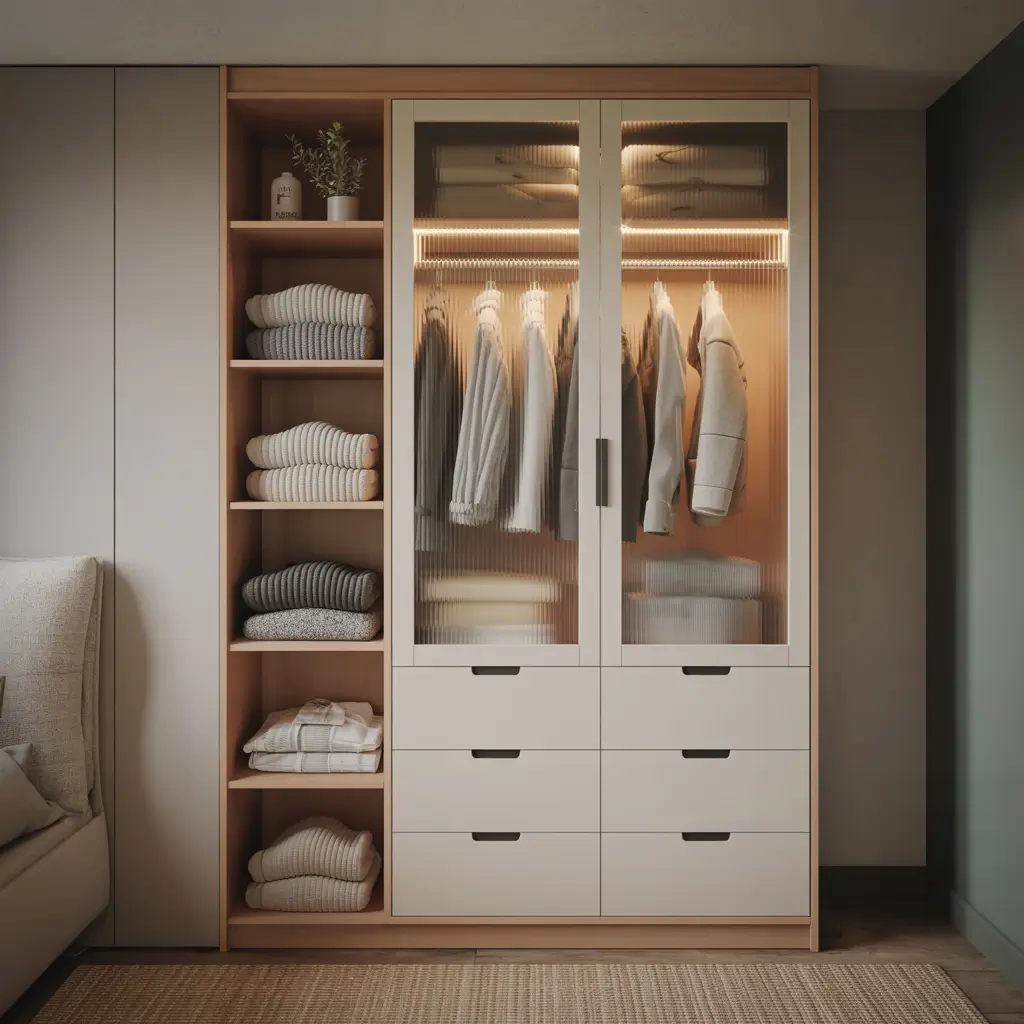
Wardrobes that only hang clothes are wasting your money and space. The best small apartment wardrobes combine multiple storage types in one unit. I’m talking hanging space, drawers, shelves, and specialty organizers all working together.
My current wardrobe has this setup, and I honestly can’t imagine going back to single-function furniture. The drawers handle underwear, socks, and accessories. The shelves organize shoes and bags. The hanging section takes care of everything else. It’s all contained in one footprint.
What to look for:
- Deep drawers with dividers for small items
- Adjustable shelving that adapts to different item heights
- Pull-out accessory trays for jewelry and watches
- Dedicated shoe racks or angled shelves
- Combination of full-height and half-height hanging for dresses and shirts
These units cost more upfront but eliminate the need for separate dressers, shoe racks, and accessory storage. You’re actually saving money and space—just not immediately obvious when you see the price tag.
Budget-Friendly Small Wardrobe Ideas
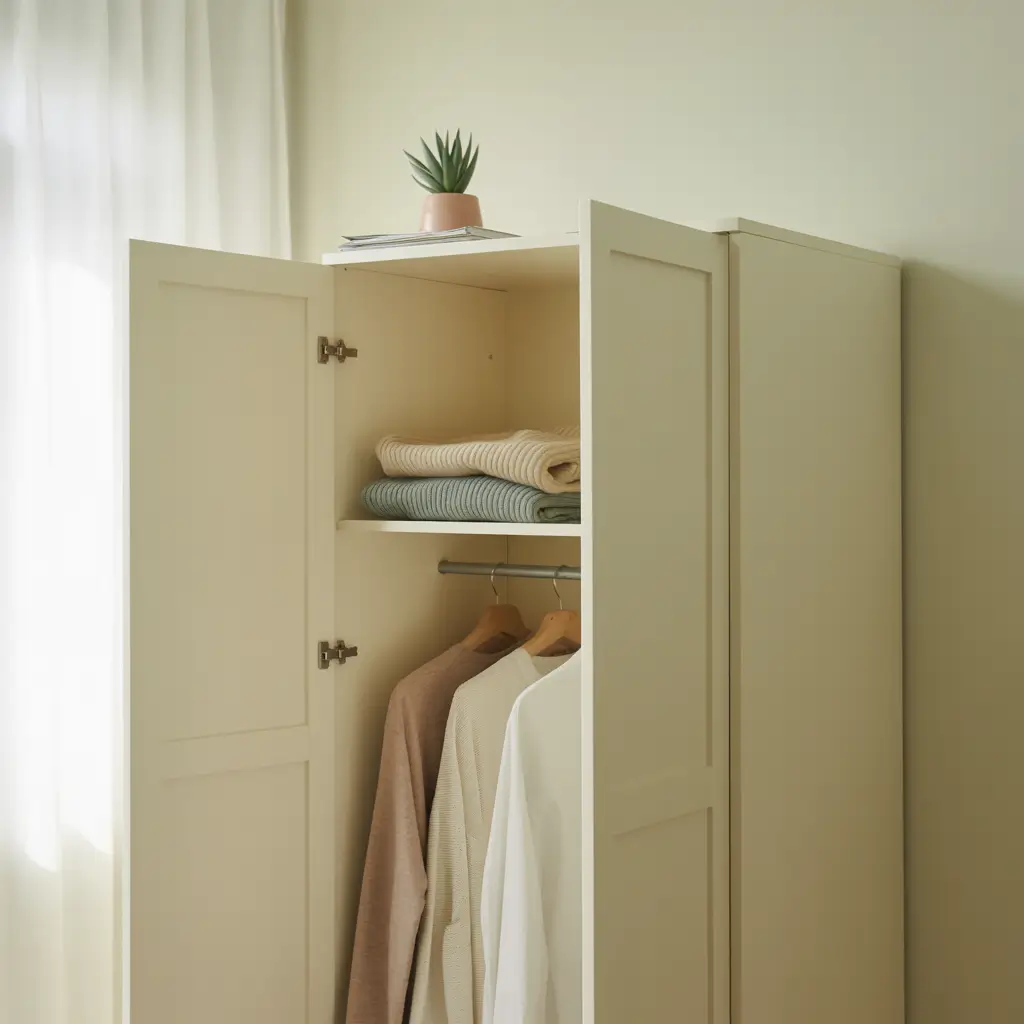
Let’s talk money. Not everyone can drop serious cash on custom storage solutions, and that’s completely okay. I furnished my first apartment almost entirely from secondhand stores and budget retailers, and you know what? It worked.
The trick with budget wardrobes is being strategic. You might not get solid wood or fancy soft-close mechanisms, but you can absolutely get functional storage that looks decent and serves its purpose.
Budget-conscious options:
- Freestanding clothing racks with shelf attachments ($30-80)
- Flat-pack wardrobes from affordable furniture stores ($100-300)
- Secondhand solid wood units refinished with paint ($50-150)
- Repurposed bookcases with added hanging rods ($40-100)
- Garment racks with fabric covers for temporary solutions ($25-60)
I’ve refinished probably half a dozen secondhand wardrobes over the years. A coat of paint, new handles, and maybe some contact paper for the interior completely transforms them. People always assume I spent way more than I actually did.
Wardrobes with Smart Hanging & Pull-Outs
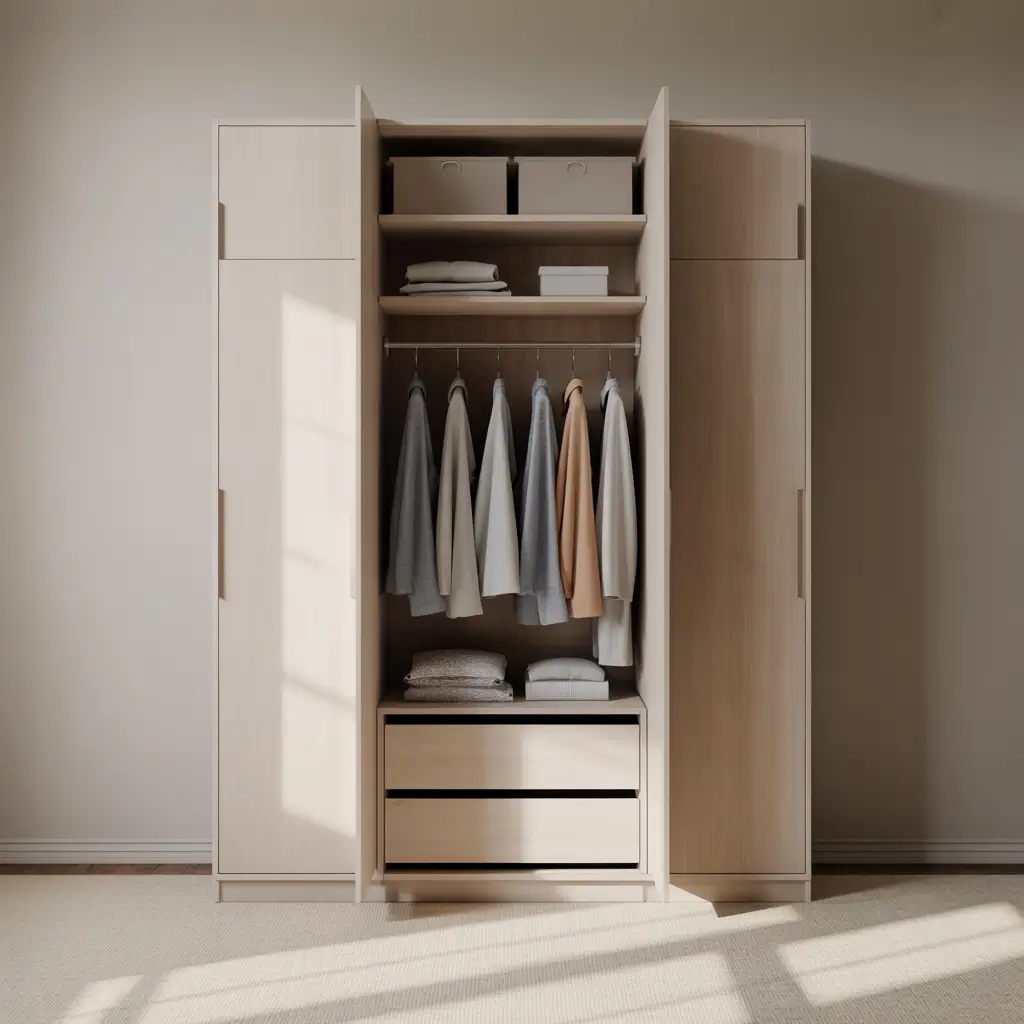
Technology meets closets, and I’m here for it. Pull-out racks, rotating mechanisms, and smart hanging systems make accessing your clothes exponentially easier in tight spaces. Once you experience pull-out pants racks, regular stacking seems primitive.
I recently helped my sister install pull-out racks in her narrow wardrobe, and she literally texted me a week later just to say how much she loved them. Being able to see all your pants at once without digging through piles? Game-changing.
Smart storage mechanisms:
- Pull-out valet rods for outfit planning
- Rotating tie and belt racks that swing out
- Sliding trouser hangers that display pants individually
- Pull-down hanging rods that bring high items within reach
- Swing-out shoe racks maximizing door space
These additions aren’t crazy expensive—most pull-out mechanisms run $20-50—but they dramatically improve functionality. Think of them as upgrades that make your wardrobe work smarter, not harder.
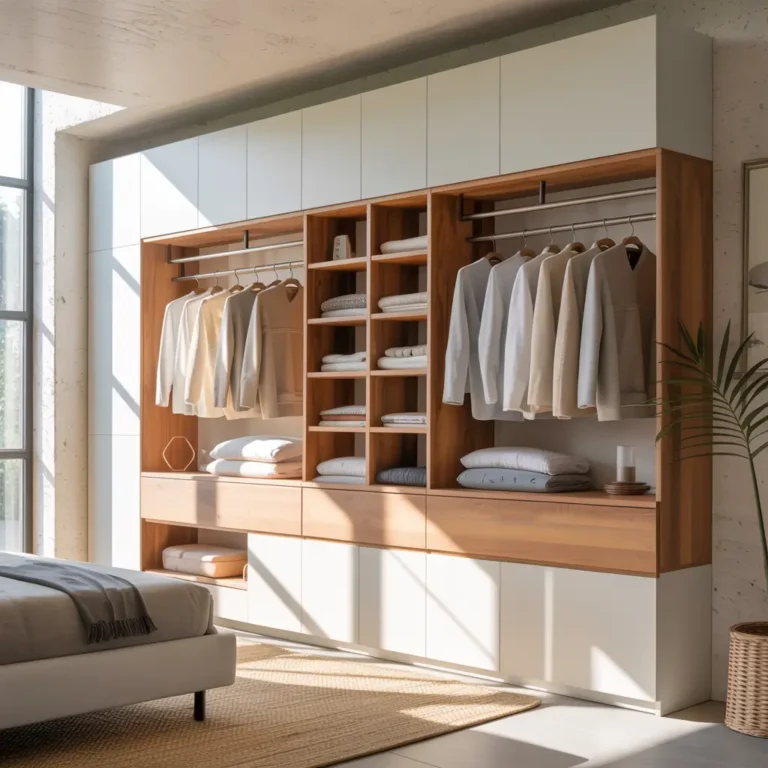
Scandinavian Style Small Wardrobes
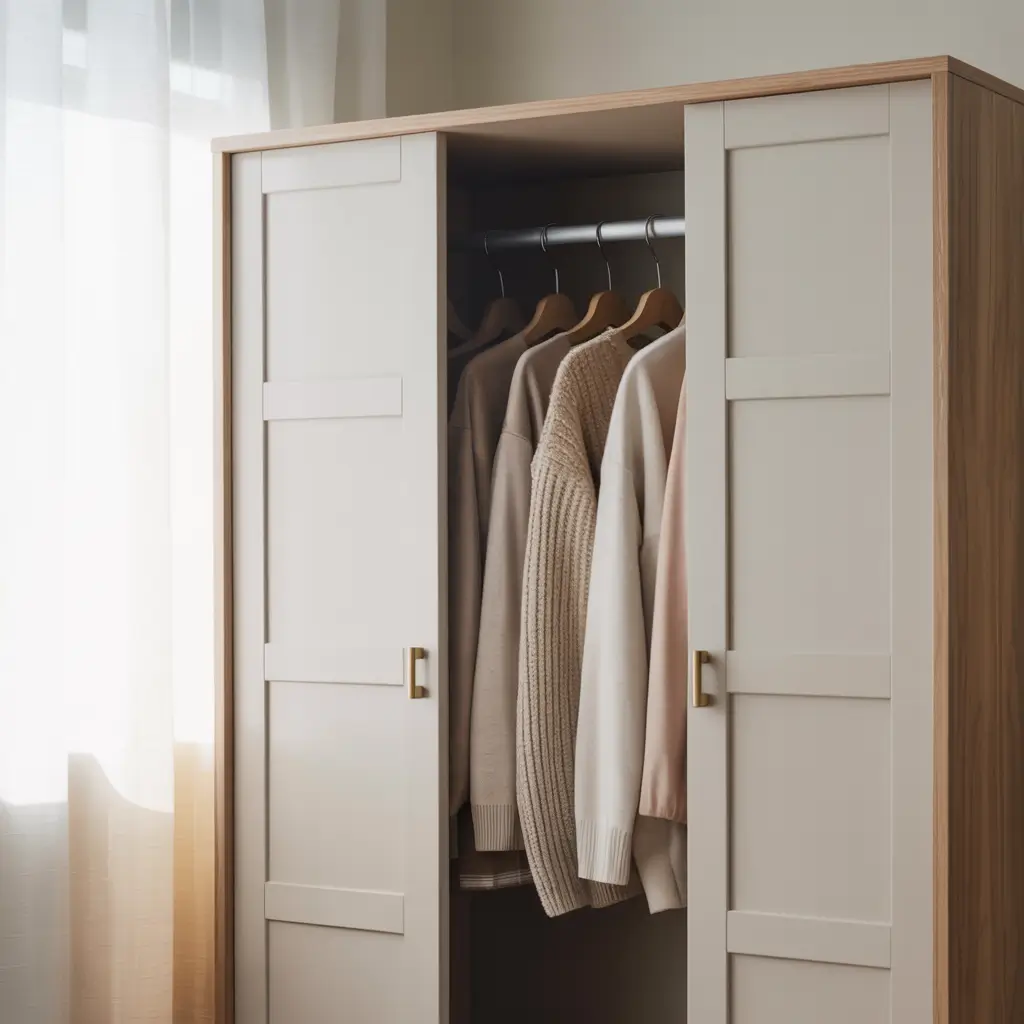
Scandinavian design was basically invented for small apartments, right? Clean lines, light colors, natural materials, and ruthless functionality—everything you need when space is limited. These wardrobes prove that practical can also be beautiful.
The Scandi aesthetic works because it never feels cluttered or heavy. Light wood tones and white finishes reflect light, making rooms feel more spacious. The minimalist approach means every design element serves a purpose.
Scandinavian wardrobe characteristics:
- Light wood finishes (birch, ash, or pine)
- White or neutral color palettes that brighten spaces
- Simple hardware or handle-free designs
- Slim profiles that don’t overwhelm the room
- Open and closed storage combinations for visual interest
I decorated an entire bedroom in Scandinavian style once, and the wardrobe became my favorite piece. It was functional, beautiful, and made the whole room feel calm. Plus, it photographed amazingly well—not that I’m shallow about Instagram-worthy furniture or anything :/
Tiny Apartment Wardrobe Layouts
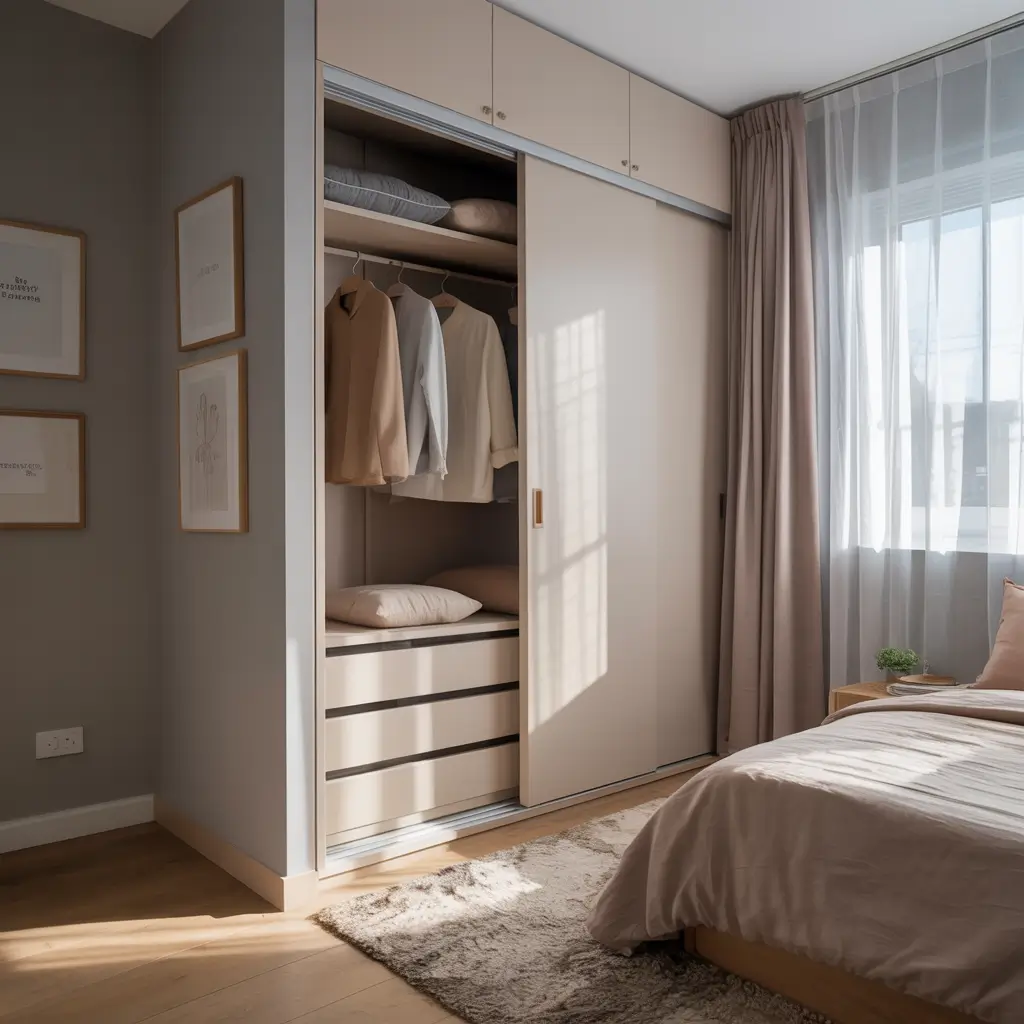
When your entire apartment is tiny, every square inch demands strategic planning. Wardrobe layouts for studio apartments or micro-units require next-level creativity. I lived in a 300-square-foot studio for two years, so trust me, I get it.
The best layouts utilize every available surface—walls, corners, vertical space, even ceiling areas. You’re essentially creating a custom storage ecosystem that fits your specific apartment’s quirks.
Layout strategies for tiny spaces:
- Room divider wardrobes that separate sleeping and living areas
- Shallow depth units (12-15 inches) for narrow walls
- Corner-to-corner installations that maximize continuous wall space
- Above-doorway storage for rarely used items
- Multi-room coordination where storage spreads across different areas
The studio apartment trick I learned? Don’t think of your wardrobe as furniture—think of it as architecture. It should integrate into your space so seamlessly that it becomes part of the structure rather than something placed in a room.
Also Read: 15 Smart Kids Room Wardrobe Design Solutions for Parents
Stylish Compact Wardrobes with Mirrors
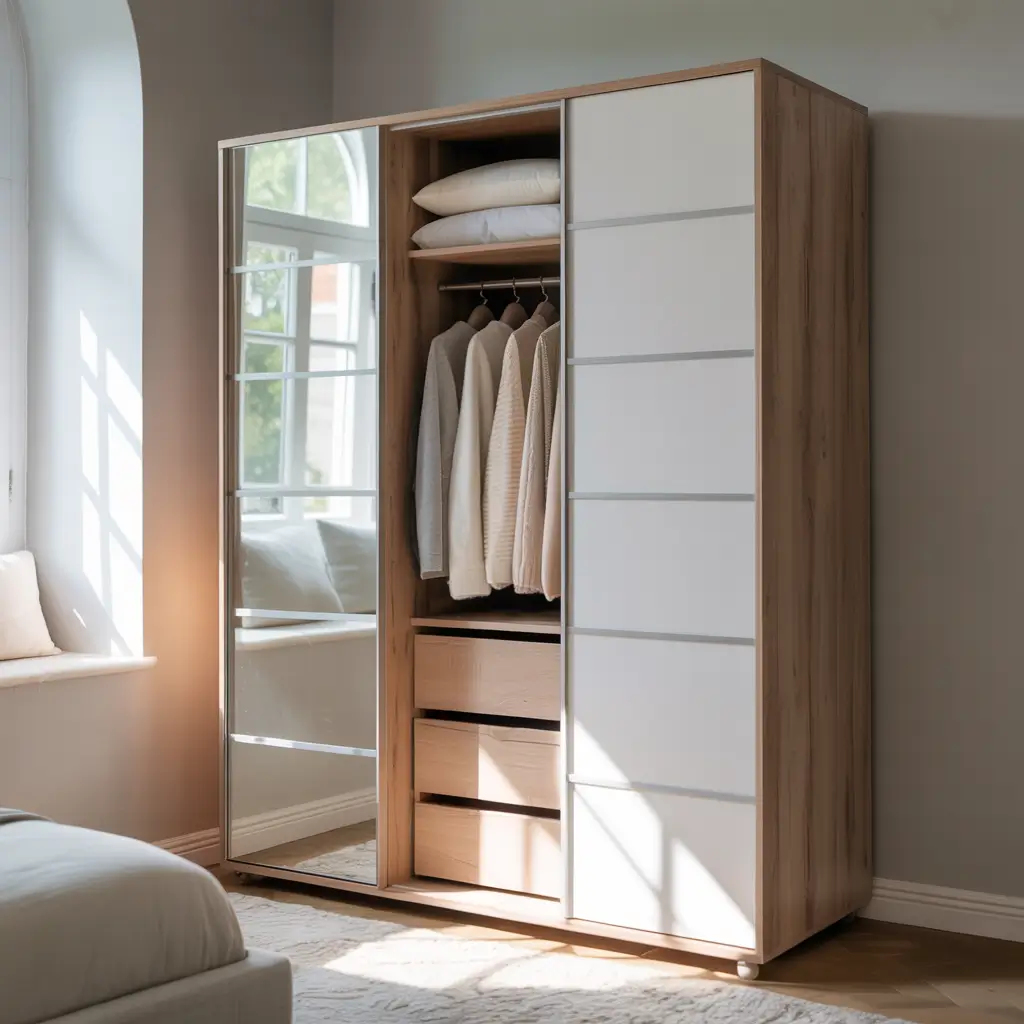
Save the best for last? Mirrored wardrobes deserve way more credit than they get. Yes, they’re practical because you need a mirror anyway. But they also literally double your visual space through reflection, which is borderline magical in small rooms.
My bedroom has a full mirrored sliding door wardrobe, and every single person who visits comments on how spacious the room feels. Then I tell them it’s only 10×10 feet, and they’re genuinely shocked. That’s the power of strategic mirror placement.
Mirrored wardrobe benefits:
- Creates illusion of double the space through reflection
- Eliminates need for separate mirrors saving wall space
- Reflects natural light making rooms brighter
- Makes rooms feel taller when mirrors extend floor-to-ceiling
- Adds modern, sleek aesthetic to any bedroom
The only downside? You need to keep them clean. Fingerprints, dust, and smudges show up immediately. I keep glass cleaner permanently stocked because nothing ruins the illusion faster than a dirty mirror. Small price to pay for a room that feels twice its actual size, though.
Final Thoughts
Look, living in a small apartment doesn’t mean you have to sacrifice organization or style. The right wardrobe design transforms cramped quarters into functional, beautiful spaces that actually work for your life. I’ve tried probably 80% of these approaches over years of apartment living, and each one solved specific problems.
The key is honestly assessing your space, budget, and habits. Are you naturally organized enough for an open closet? Do you need the flexibility of modular systems? Will you actually use those fancy pull-out racks, or will they become expensive dust collectors?
Start with one approach that speaks to your situation. Maybe it’s adding DIY solutions to your current setup, or maybe you’re ready to invest in a full custom built-in. Whatever you choose, remember that small spaces demand creativity, not compromise. Your apartment might be tiny, but your storage solutions can be mighty.