15 Beautiful Coffee and Wine Bar Ideas to Try Now

Listen, I get it. You’re standing in your kitchen or living room right now, coffee in one hand, maybe eyeing that bottle of wine you’ve been saving, thinking, “There’s got to be a better way to organize this situation.” You want a space that celebrates both your morning ritual and your evening wind-down without looking like you raided a hotel minibar. Good news—you absolutely can create a stunning coffee and wine bar that makes your home feel like an upscale café meets sophisticated wine lounge.
I’ve spent way too many weekends experimenting with different setups (my spouse will confirm this obsession), and I’m here to share the ideas that actually work. No Pinterest fails, no “nailed it” disasters. Just real, beautiful solutions that’ll make you want to invite people over just to show off your setup.
1. Rustic Coffee & Wine Corner
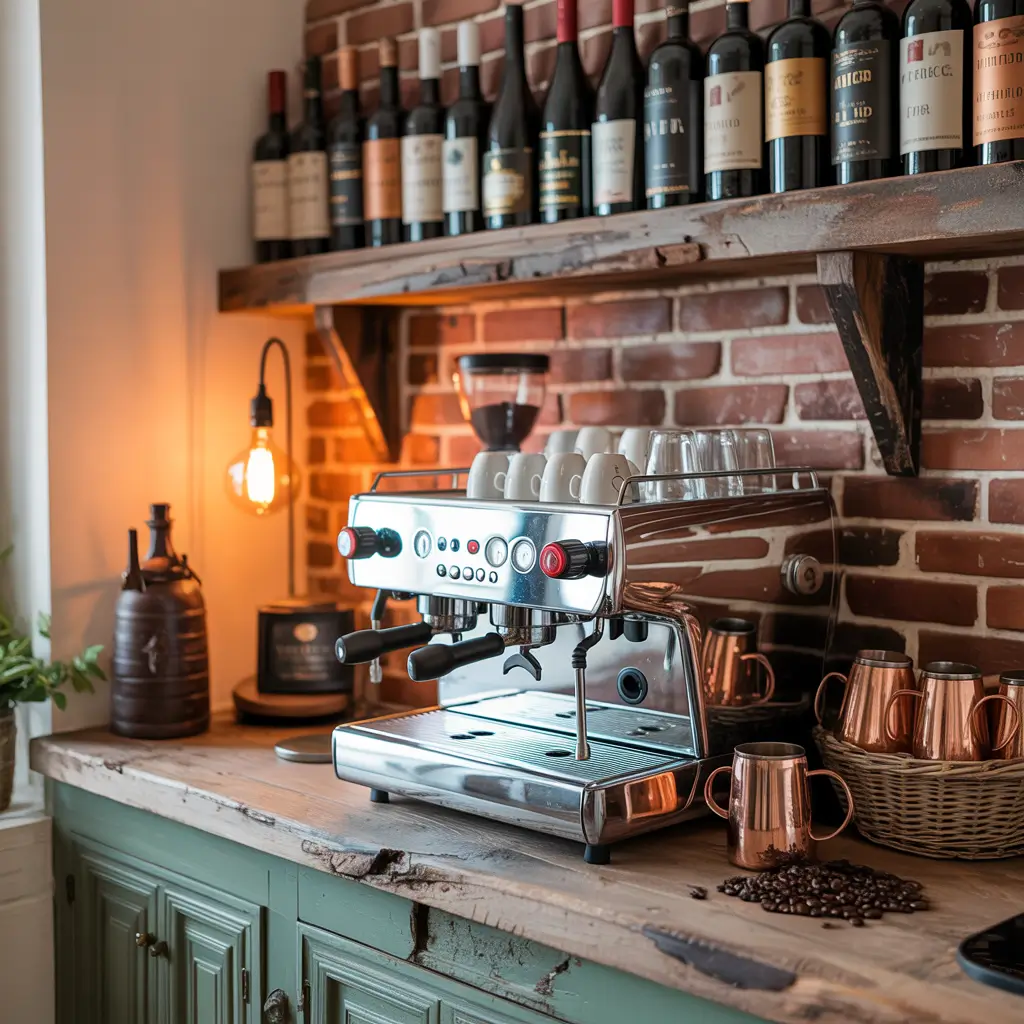
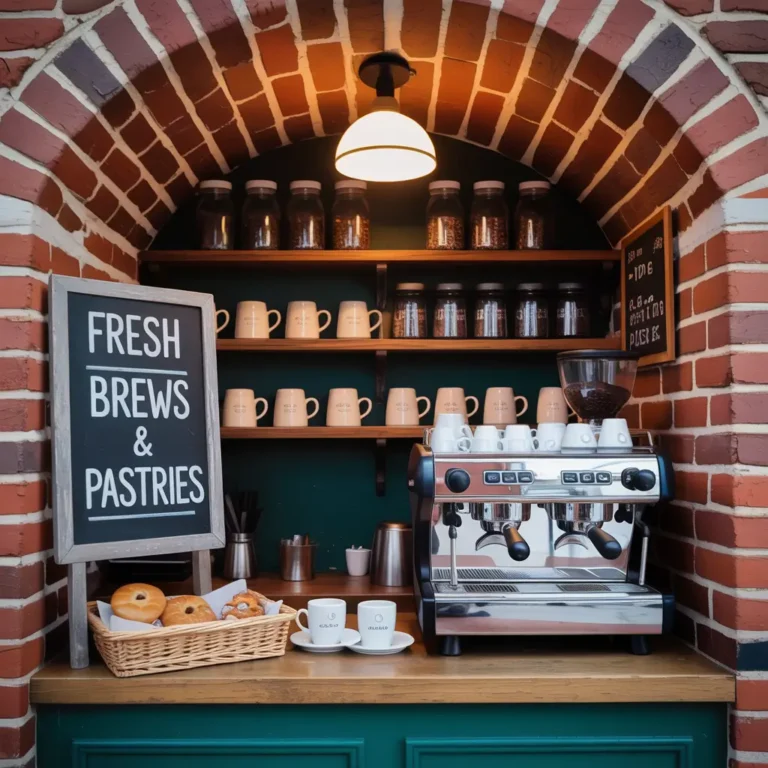
Reclaimed wood changes everything. Seriously, if you want instant charm without trying too hard, go rustic. I transformed a forgotten corner of my dining room using an old barn door I snagged from a salvage yard, and now it’s the most photographed spot in my house.
The beauty of rustic design is that imperfections actually make it better. Those knots in the wood? Character. That slightly uneven finish? Authenticity. You can build a simple two-tier shelf using reclaimed planks, add some wrought iron brackets, and boom—you’ve got a coffee and wine station that looks like it cost a fortune.
Here’s what makes this style work:
- Weathered wood shelving that tells a story
- Mason jars for coffee beans and wine corks (yes, cliché, but they work)
- Vintage metal signs or chalkboard labels
- Warm Edison bulb lighting to set the mood
- Woven baskets underneath for napkins and extras
I mounted a small wine rack made from an old ladder horizontally on the wall. Each rung holds bottles perfectly, and it cost me exactly zero dollars because I already had it in my garage. Your coffee maker sits on the bottom shelf, wine glasses hang from hooks above, and suddenly you’re the design genius everyone thinks hired a decorator.
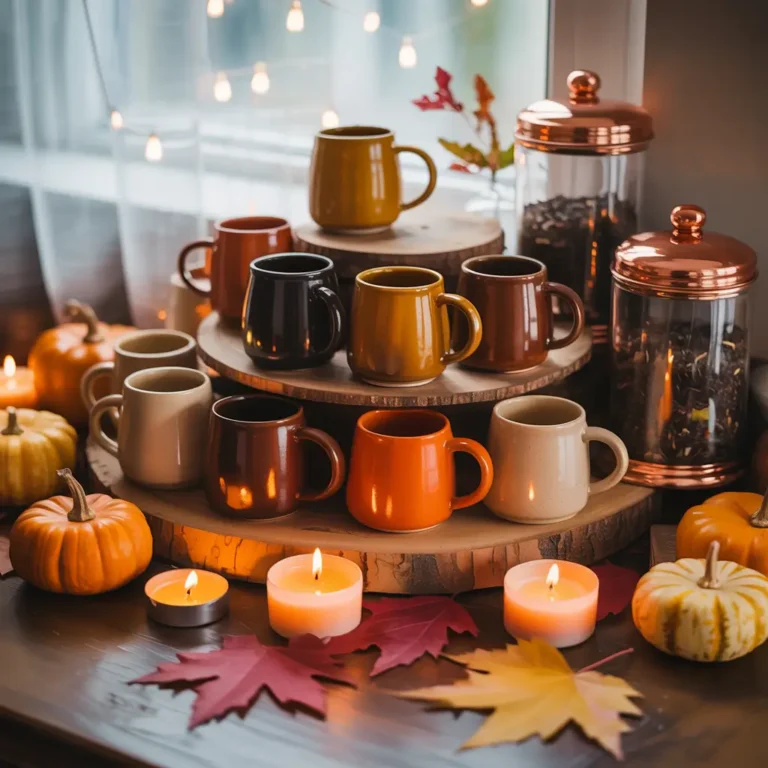
Pro tip: Don’t overthink the “matching” thing. Rustic thrives on mismatched mugs and eclectic wine glasses. That’s literally the point.
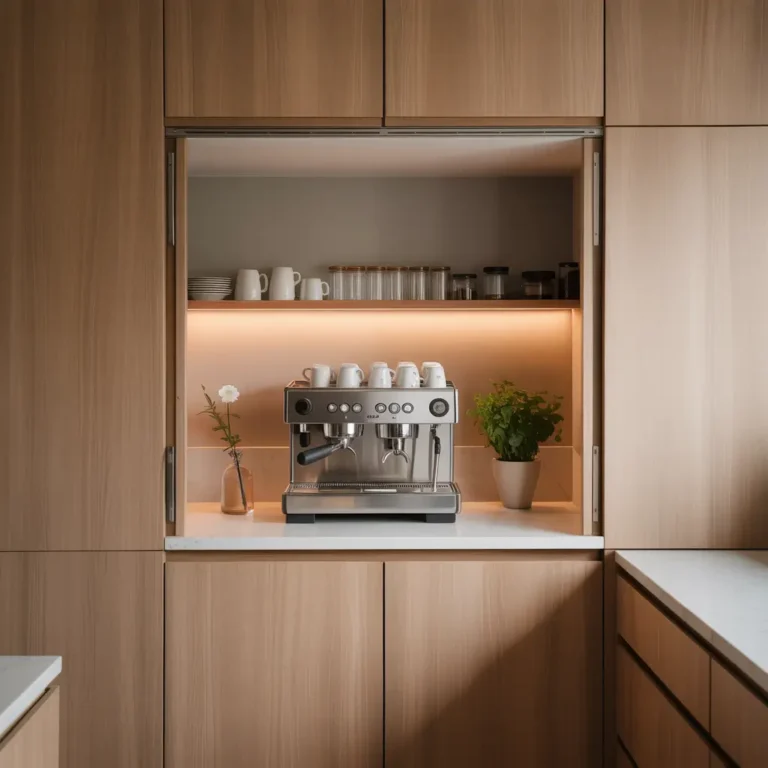
2. Minimalist Home Bar Setup

Less is more, and honestly, it’s also less to clean. After years of accumulating stuff (why do I own 47 coffee mugs?), I discovered the pure joy of minimalism. A minimalist coffee and wine bar isn’t boring—it’s intentional.
Picture this: one sleek floating shelf, white or light wood. Your espresso machine sits there like a piece of art. Three wine bottles max, displayed like you curated them (you did—you like them). Two perfect wine glasses. Your favorite mug. That’s it.
The minimalist approach works because:
- Clean lines create a calming visual experience
- Limited color palette (whites, grays, natural wood) keeps things cohesive
- Hidden storage below keeps clutter out of sight
- Quality over quantity means you invest in pieces you actually love
- Negative space lets each item breathe
I use a simple white lacquered cabinet with push-to-open doors. Inside? All the random stuff—backup coffee filters, wine opener collection, those weird napkins from that one party. Outside? Just beautiful essentials. IMO, this is the easiest style to maintain because you literally can’t add more without it looking wrong.
The secret weapon here is a matching set of airtight containers for coffee beans, sugar, and tea. Everything looks uniform and intentional, even at 6 AM when you’re half-awake.
3. Industrial Chic Coffee & Wine Station
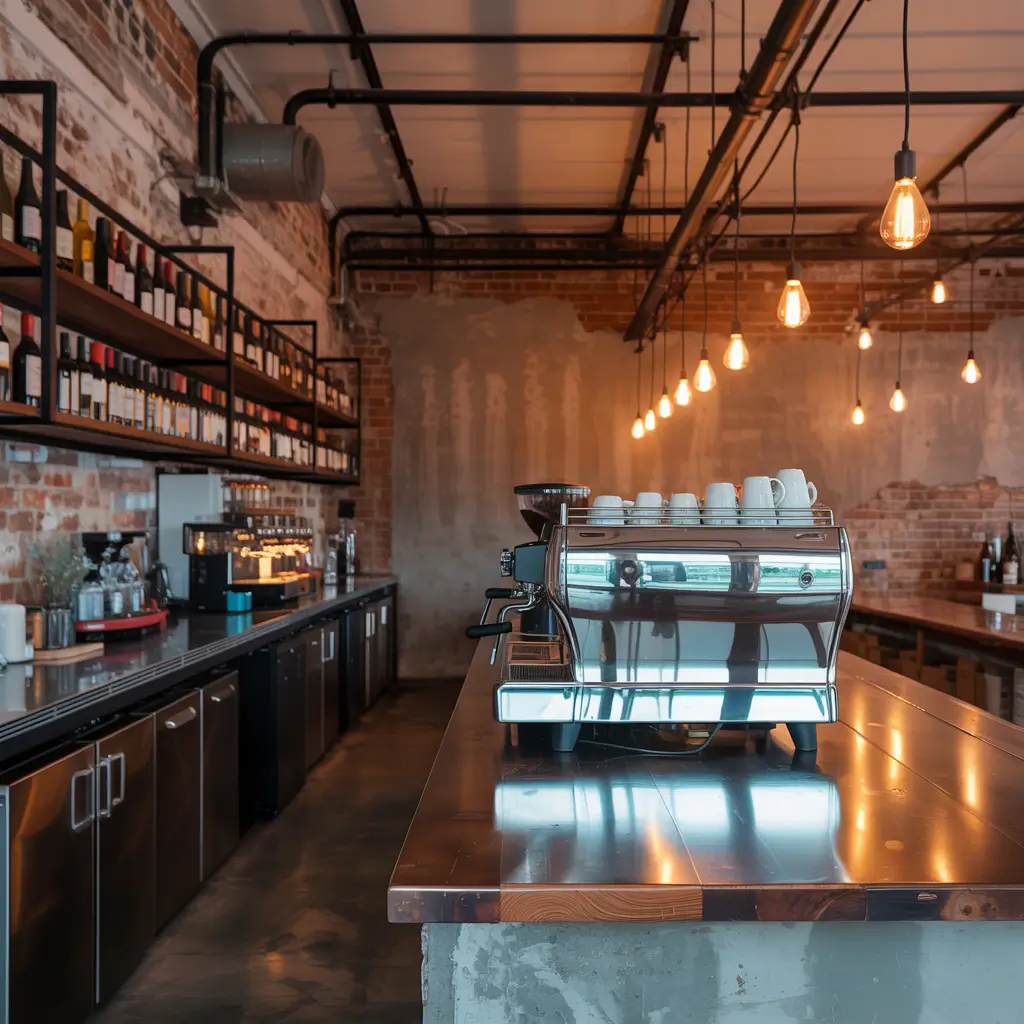
Raw materials meet refined taste. Industrial design hits different when you nail it—think exposed metal pipes, concrete countertops, and that perfect balance between warehouse and warmth.
I built my industrial station using actual plumbing pipes as the frame. Hardware store trip, about $80, and an afternoon of screwing pipes together (which sounds harder than it is). The result? A custom shelving unit that looks like it came from a Brooklyn loft, not my suburban garage.
Key elements that make industrial style pop:
- Black iron pipe shelving that supports heavy equipment and bottles
- Concrete or butcher block countertop for that substantial feel
- Metal grid wall panels to hang mugs and wine tools
- Exposed bulbs with cage fixtures
- Stainless steel or copper accents to soften the edge
The contrast is what makes this work. Your gleaming espresso machine against matte black pipes? Chef’s kiss. Wine bottles on rough wood planks? Perfection. I added a small industrial stool nearby, and now it’s my favorite spot to sit while my coffee brews.
Here’s something nobody tells you: industrial design is incredibly forgiving. Scratches and wear actually improve the aesthetic. Spill some wine doing a particularly enthusiastic pour? That stain just added authenticity. You’re welcome.
4. Farmhouse Style Bar Nook
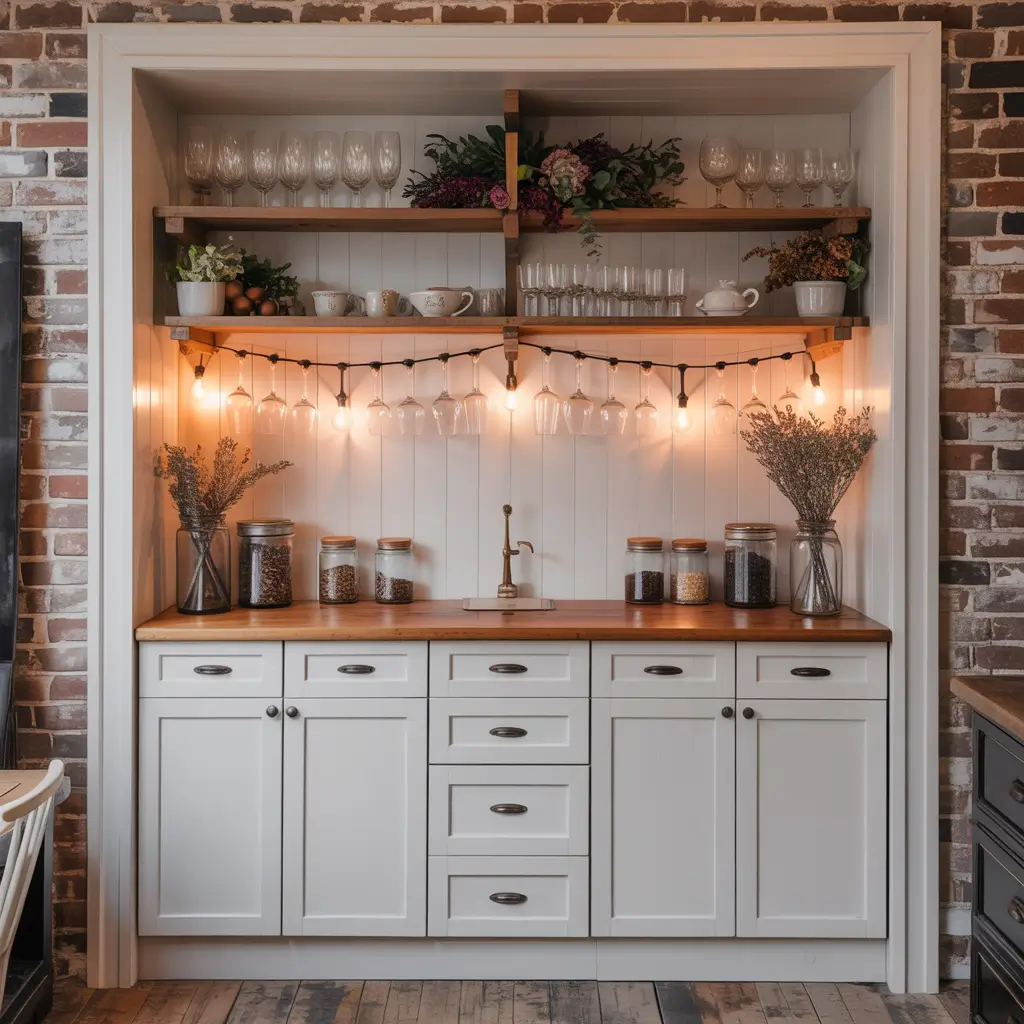
Shiplap might be everywhere, but there’s a reason it works. The farmhouse vibe brings cozy comfort that makes you want to linger. I initially resisted this trend (too trendy!), but after visiting my sister’s farmhouse bar setup, I converted immediately.
This style celebrates warmth and hospitality. You’re creating a space that says, “Come, stay awhile, let me pour you something.” Soft whites, natural woods, vintage finds, and touches of greenery combine to make magic happen.
Essential farmhouse elements:
- Shiplap or beadboard backdrop (painted white or soft gray)
- Open wooden shelving with decorative brackets
- Farmhouse sink if you’re going all-in (trust me, washing wine glasses in a deep porcelain sink is oddly satisfying)
- Galvanized metal accents like trays or buckets
- Fresh flowers or herbs in enamelware pitchers
I created my farmhouse nook in an alcove under my stairs. Previously wasted space became an inviting little bar by adding simple white shelves, a butcher block countertop, and some chicken wire cabinet doors (which let you peek at your wine collection). A vintage coffee grinder I found at an estate sale sits there purely for decoration, but everyone asks about it.
The farmhouse approach loves layers—stack those coffee table books about wine regions, add a runner, include a small wooden tray to corral items. It should look slightly collected, like you’ve been gathering these pieces for years (even if you bought them all last weekend).
5. Compact Apartment Coffee & Wine Bar
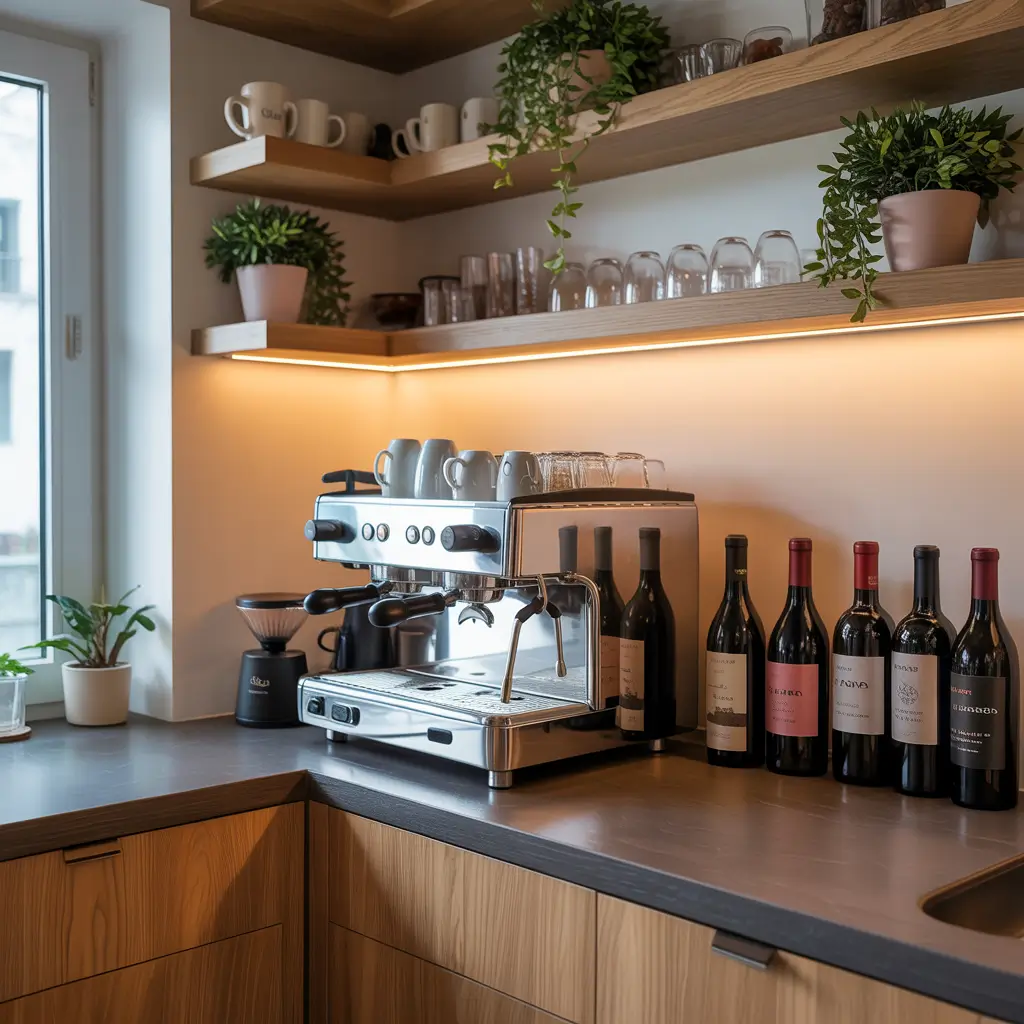
Small space doesn’t mean small dreams, friends. Living in a 650-square-foot apartment taught me that creativity beats square footage every time. You absolutely can have a gorgeous coffee and wine setup without a dedicated room or even a full wall.
I used a narrow console table (12 inches deep!) behind my couch. Most people don’t even realize it’s there until I offer them coffee or wine, then suddenly they’re examining it like it’s a magic trick.
Maximizing compact spaces requires strategy:
- Vertical storage is your best friend—go up, not out
- Multi-functional furniture like bar carts you can wheel away
- Wall-mounted solutions that don’t eat floor space
- Slim-profile coffee makers (single-serve or pour-over setups)
- Stemless wine glasses that stack efficiently
The key is editing ruthlessly. You don’t need 12 wine bottles displayed—choose 3 favorites and rotate them. Your coffee station doesn’t need every brewing method—pick your actual daily driver and maybe one backup.
I mounted a small shelf above my console with wine glass holders underneath. My pour-over coffee setup takes up maybe 8 inches of counter space. A small wine rack tucked beside the table holds 6 bottles. Everything I need, nothing I don’t, and it looks intentional rather than cramped.
FYI, apartment living taught me that aesthetics can absolutely coexist with function—you just have to be more thoughtful about each choice.
Also Read: 15 Elegant Kitchen Coffee Bar Designs for Coffee Lovers
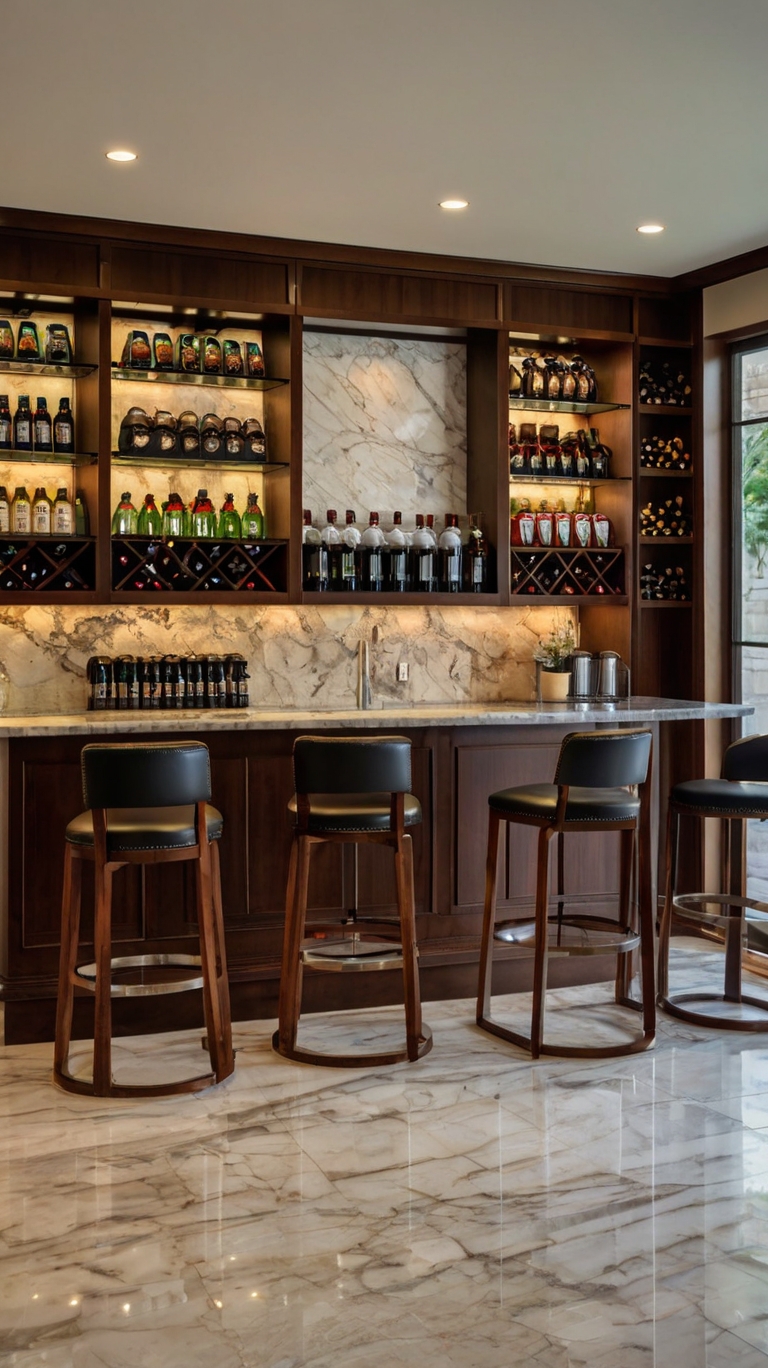
6. Elegant Marble Counter Bar
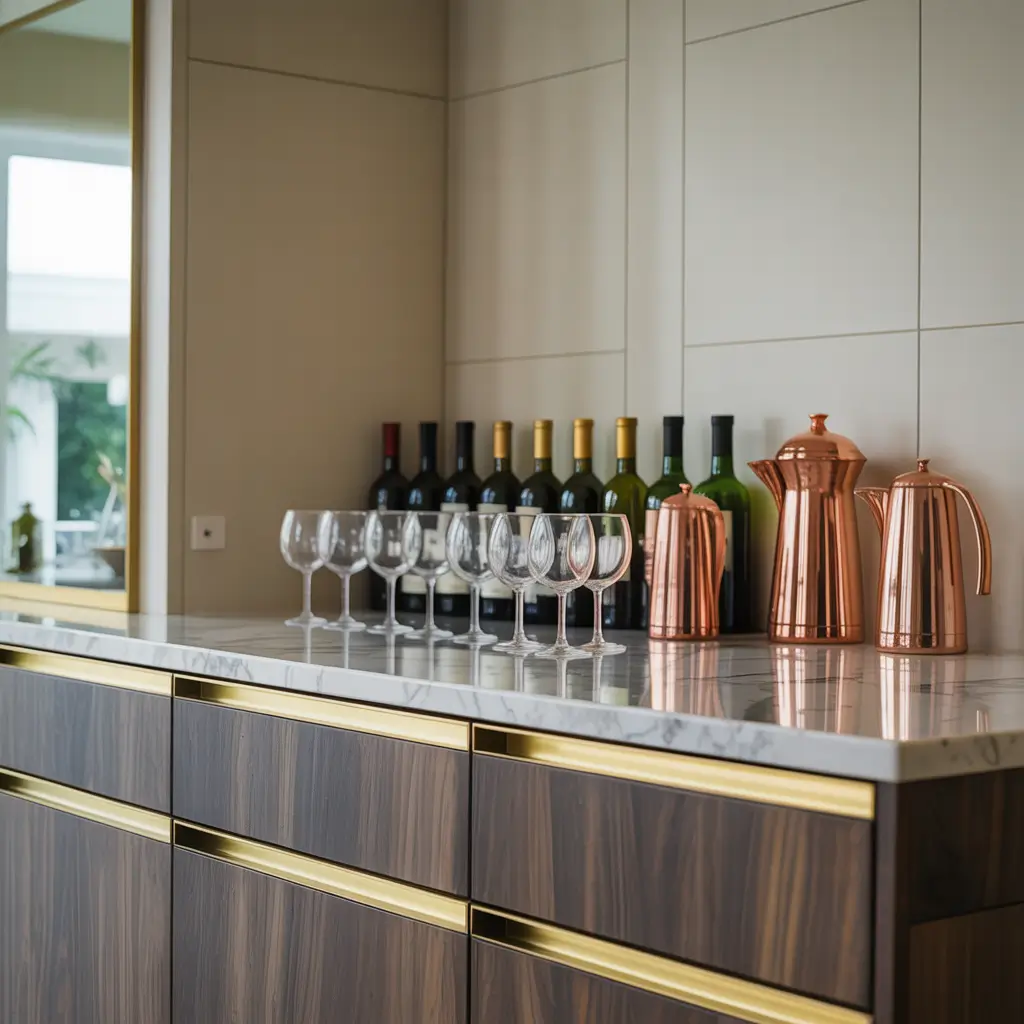
Sometimes you want to feel fancy in your own home. There’s something about marble that elevates everything it touches. A marble coffee and wine bar screams sophistication without saying a word.
Now, real marble can cost more than your car payment, but here’s the secret: you have options. I used a marble-contact paper on a basic IKEA countertop for my first attempt, and it looked surprisingly legit. Later, I upgraded to a genuine marble remnant (offcut from someone’s kitchen renovation) that cost a fraction of a full slab.
What makes marble bars irresistible:
- Luxurious surface that photographs like a dream
- Cool temperature that’s actually functional for wine
- Timeless aesthetic that won’t look dated in five years
- Variety of colors from classic white Carrara to dramatic black marble
- Natural veining means each piece is unique
I paired my marble top with gold-finish bar tools and a sleek espresso machine in white. The contrast between the organic stone veining and the refined metal creates visual interest without clutter. Wine bottles on marble just look more expensive—even that $12 bottle you grabbed at Trader Joe’s.
The maintenance scared me initially (marble stains! marble etches!), but honestly? Sealing it properly and using coasters solves 90% of issues. And those tiny imperfections that do happen? They add character. You’re living with this bar, not preserving it in a museum.
7. Boho Coffee and Wine Lounge
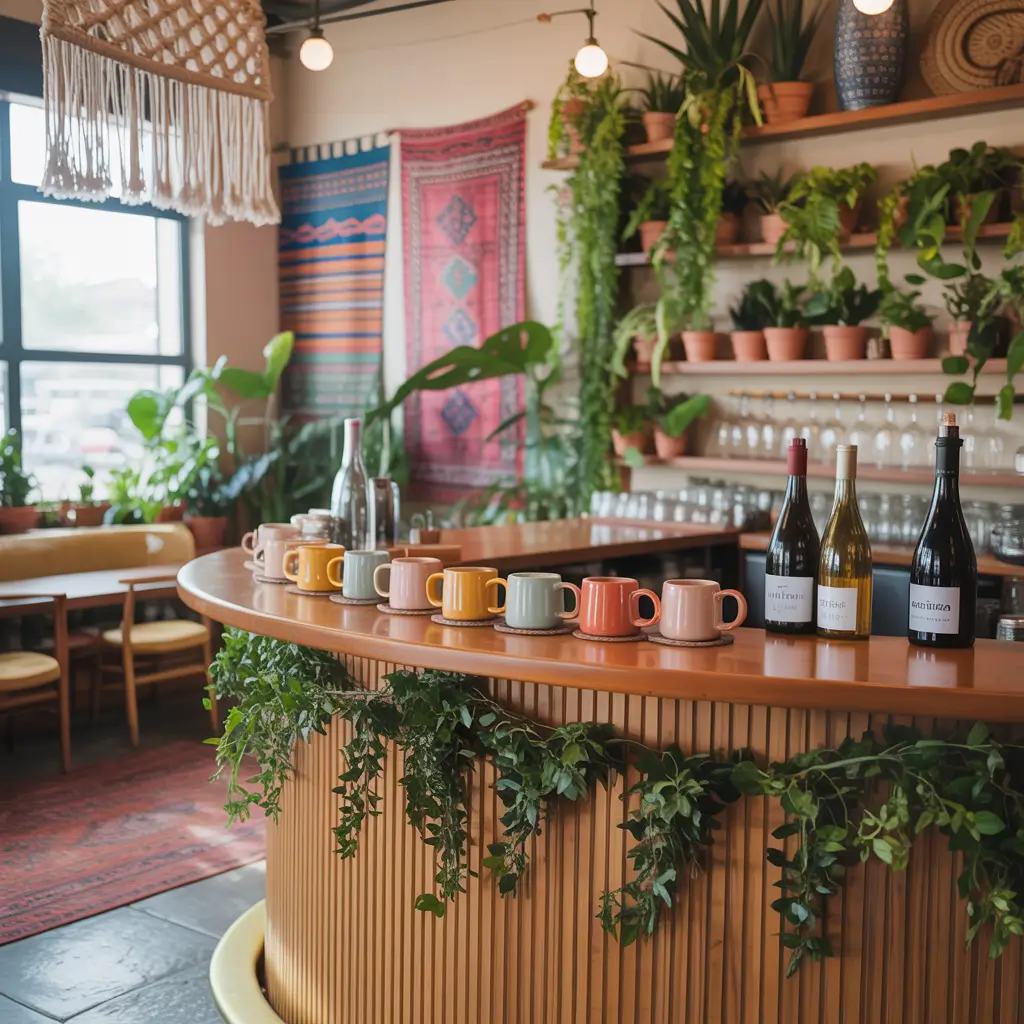
Eclectic, colorful, and unapologetically personal. The bohemian approach to a coffee and wine bar lets you break every design “rule” and somehow make it work. I love this style because it celebrates individuality—your bar won’t look like anyone else’s, and that’s exactly the point.
My boho setup evolved organically (much like the style itself). I started with a vintage credenza I painted turquoise, added macramé plant hangers, mixed in some Moroccan tiles as a backsplash, and suddenly had a space that felt like vacation.
Boho bar essentials:
- Rich, warm colors like terracotta, mustard, and deep burgundy
- Textured elements through woven baskets, macramé, or tapestries
- Plants, plants, plants (more on this later, but boho demands greenery)
- Global-inspired pieces from your travels or thrift stores
- Mixed metals and patterns that shouldn’t work but somehow do
The beauty of boho is permission. Want to use that colorful ceramic tile as a coaster? Do it. Hang that beaded curtain behind your bar? Absolutely. Display your wine in a painted wicker basket? Perfect. This style thrives on the unexpected.
I added string lights above my boho bar, and I’ll fight anyone who says they’re only for college dorms. They create the perfect warm ambiance for either morning coffee or evening wine. A vintage rug underneath defines the space, and mismatched mugs and glasses bring personality.
8. Floating Shelves Bar Display
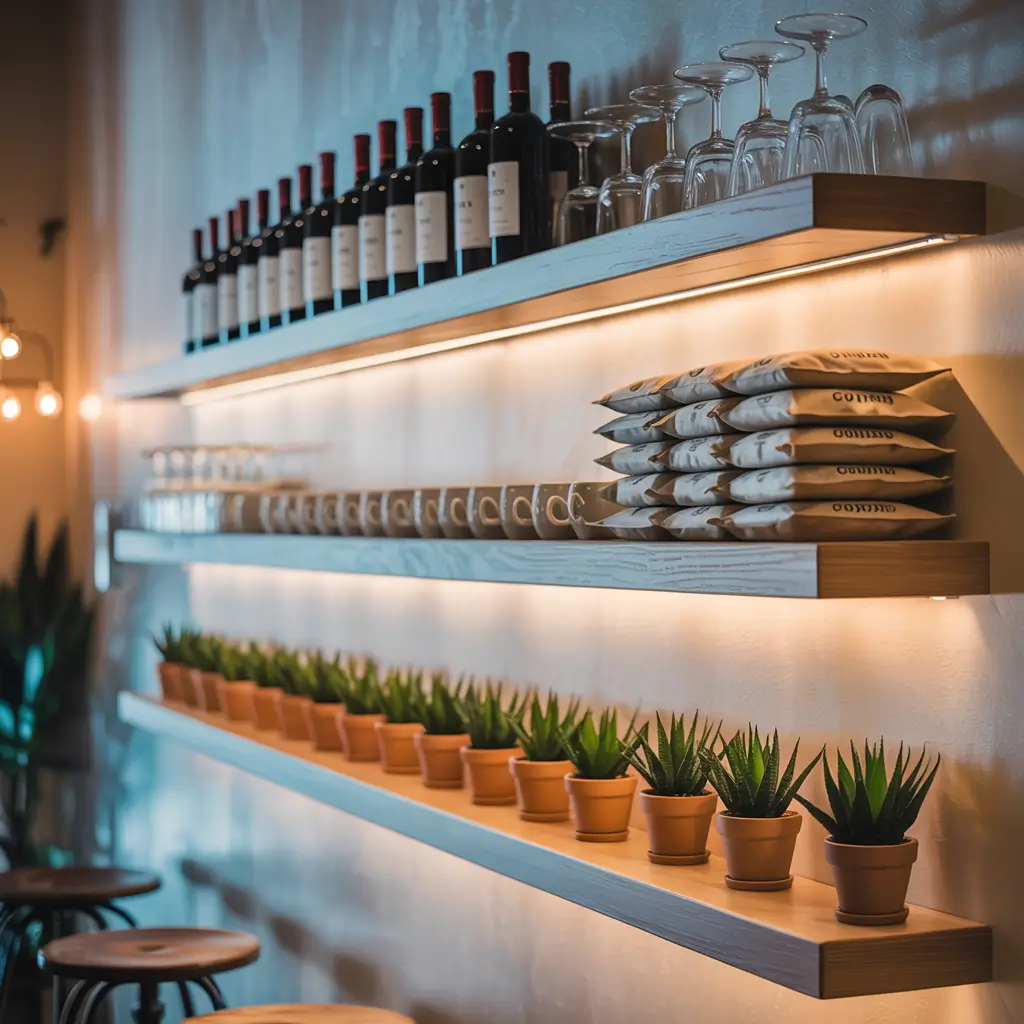
Clean, modern, and surprisingly easy to install. Floating shelves changed my life, and yes, I’m being dramatic, but also not really. They create storage and display space without the visual weight of traditional shelving units.
I mounted three floating shelves in a staggered arrangement on my kitchen wall. The illusion that they’re hovering makes the whole setup feel lighter and more modern. Plus, you can customize the height perfectly for your coffee maker and wine bottles.
Why floating shelves work brilliantly:
- Space-efficient without bulky frames or supports
- Customizable arrangement to fit your exact items
- Easy to install (if I can do it, truly anyone can)
- Modern aesthetic that suits multiple design styles
- Flexible for rearranging displays seasonally
The trick is getting the proportions right. I used one thick shelf (about 10 inches deep) at counter height for my coffee station, then two thinner shelves (6 inches) above for mugs, glasses, and wine bottles. This creates visual interest through varying depths.
Styling floating shelves requires balance. I follow the rule of thirds—one-third coffee stuff, one-third wine items, one-third decorative (plants, small art, interesting objects). Leave some empty space too; overcrowding defeats the floating effect.
Pro move: Install LED strip lighting underneath the top shelves. It illuminates your glassware beautifully and provides ambient lighting that’s perfect for evening drinks. Cost me about $25 and makes everything look high-end.
9. Corner Cabinet Coffee & Wine Bar
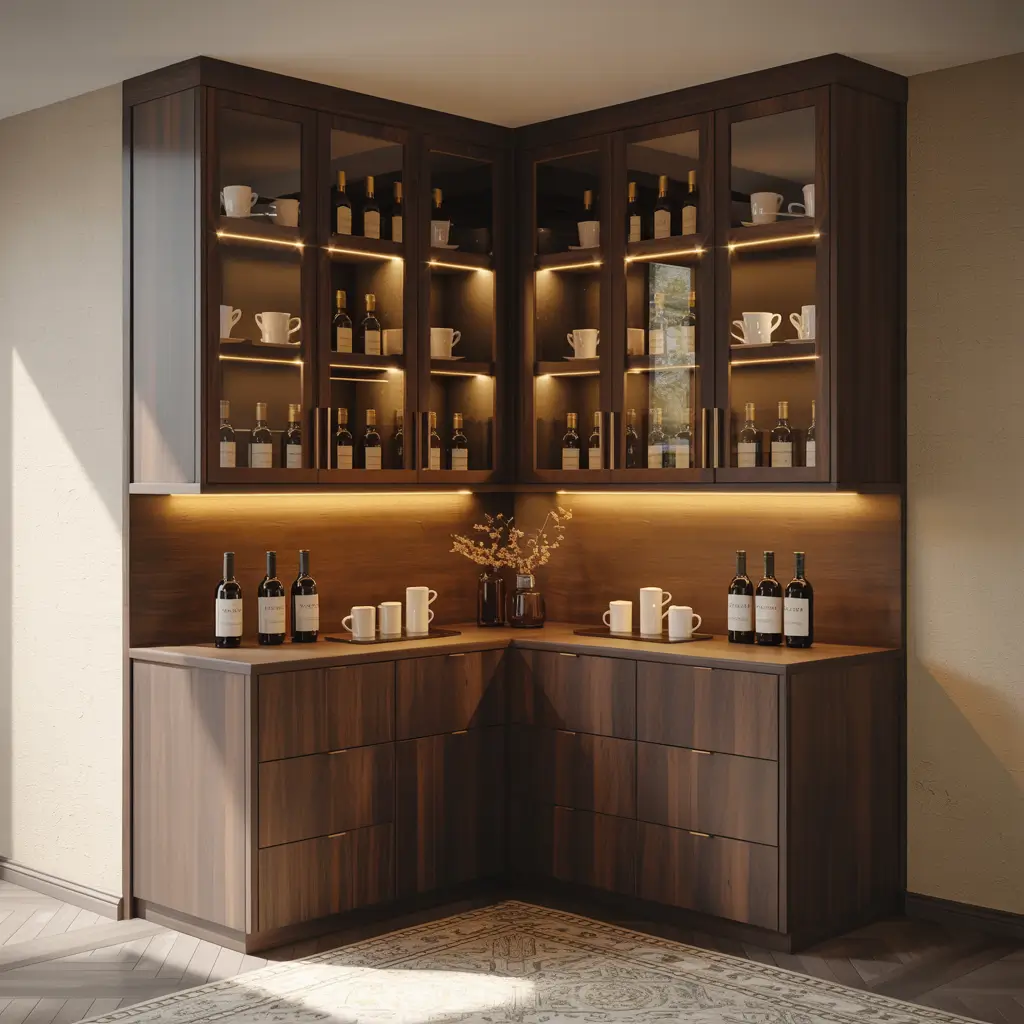
Dead corners are the worst, so let’s fix that. Most homes have that awkward corner that collects random stuff and never quite works. Converting mine into a dedicated coffee and wine cabinet was genuinely one of my better decisions.
Corner cabinets maximize often-wasted space. I found an antique corner hutch at an estate sale for $75, painted it navy blue, and suddenly had both storage and display in a footprint that barely registered.
Corner cabinet advantages:
- Uses otherwise awkward space efficiently
- Built-in storage keeps everything organized and hidden
- Display opportunity in the upper glass-front sections
- Anchor piece that defines the area as intentional
- Various styles available from traditional to modern
The upper cabinet holds my wine glass collection (arranged by type, because I’m that person). The middle section displays wine bottles like a boutique shop. The lower cabinet hides my coffee supplies, backup mugs, and all the randomness that needs a home.
I added a small pullout shelf inside for my coffee maker, which I can slide out when brewing and tuck away afterward. This keeps the countertop clear while maintaining full functionality. A small lazy Susan in the corner holds wine openers, coffee filters, and other small items you need but don’t want visible.
Lighting matters here—I installed a small battery-operated puck light in the upper cabinet that highlights the glassware. Sounds fancy, but it was $8 on Amazon and takes 30 seconds to stick up there.
10. Modern Glass & Metal Bar
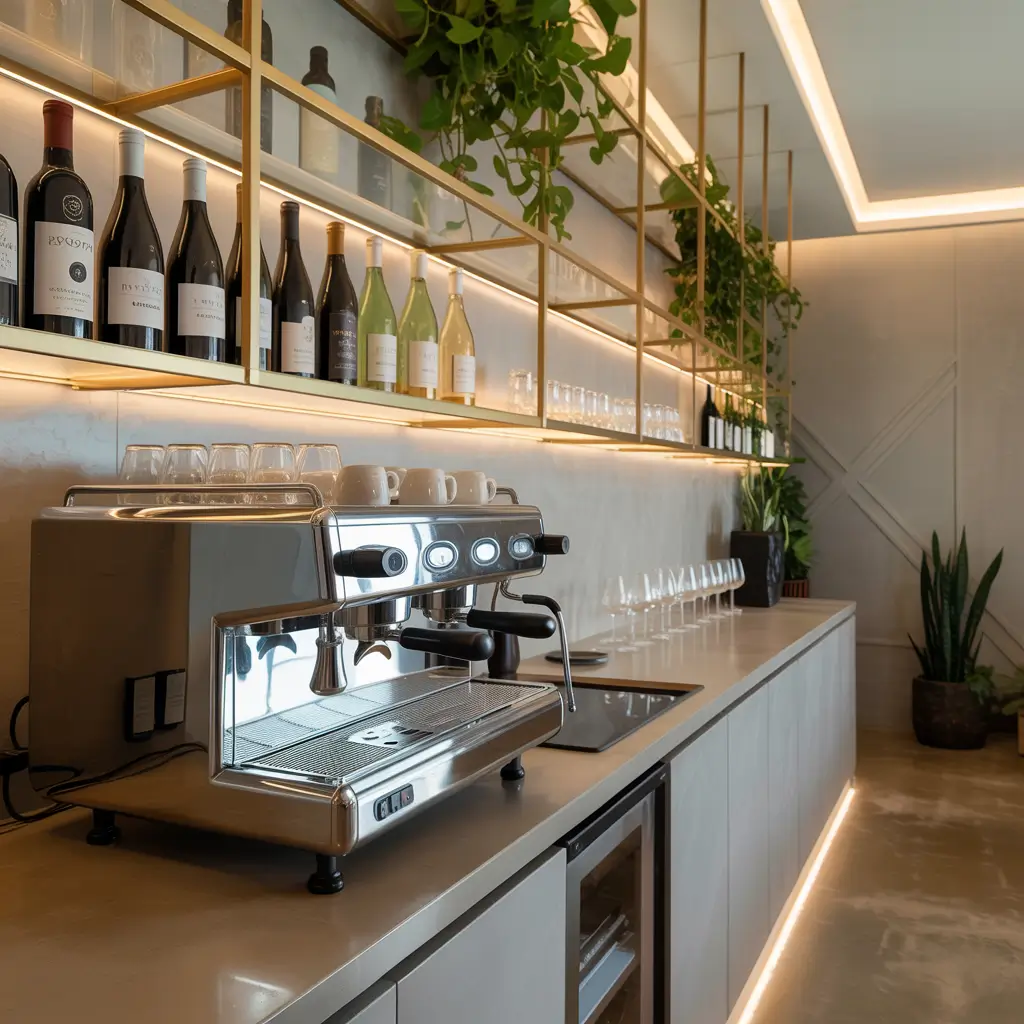
Sleek, sophisticated, and seriously stylish. If minimalism had a cooler, slightly showier cousin, it’d be modern glass and metal design. This approach creates a bar setup that feels high-end without being stuffy.
My glass and metal bar uses a chrome and glass bar cart as the foundation. The transparency keeps the space feeling open, while the metal frame provides structure and a touch of glamour. I positioned it near a window where natural light makes the glassware sparkle (completely intentional, definitely not lucky placement).
Modern glass and metal must-haves:
- Chrome, brass, or brushed nickel finishes for hardware and accents
- Tempered glass shelving that’s both beautiful and functional
- Geometric shapes in storage solutions and décor
- Mirrored backsplash to reflect light and create depth
- Crystal or cut-glass decanters for elevated display
The reflective surfaces multiply everything visually, which means you need fewer items to create impact. I keep my modern bar intentionally spare—a gorgeous espresso machine, three wine bottles in a geometric metal holder, essential glassware, and a single statement plant (currently a sculptural succulent).
This style photographs incredibly well (hello, Instagram!), but it also requires commitment to maintenance. Glass shows fingerprints, water spots, and dust like nobody’s business. I keep glass cleaner nearby and do a quick wipe-down every couple of days. Worth it? Absolutely, especially when that evening light hits just right and everything gleams.
Also Read: 15 Beautiful Christmas Coffee Bar Ideas for Cozy Homes
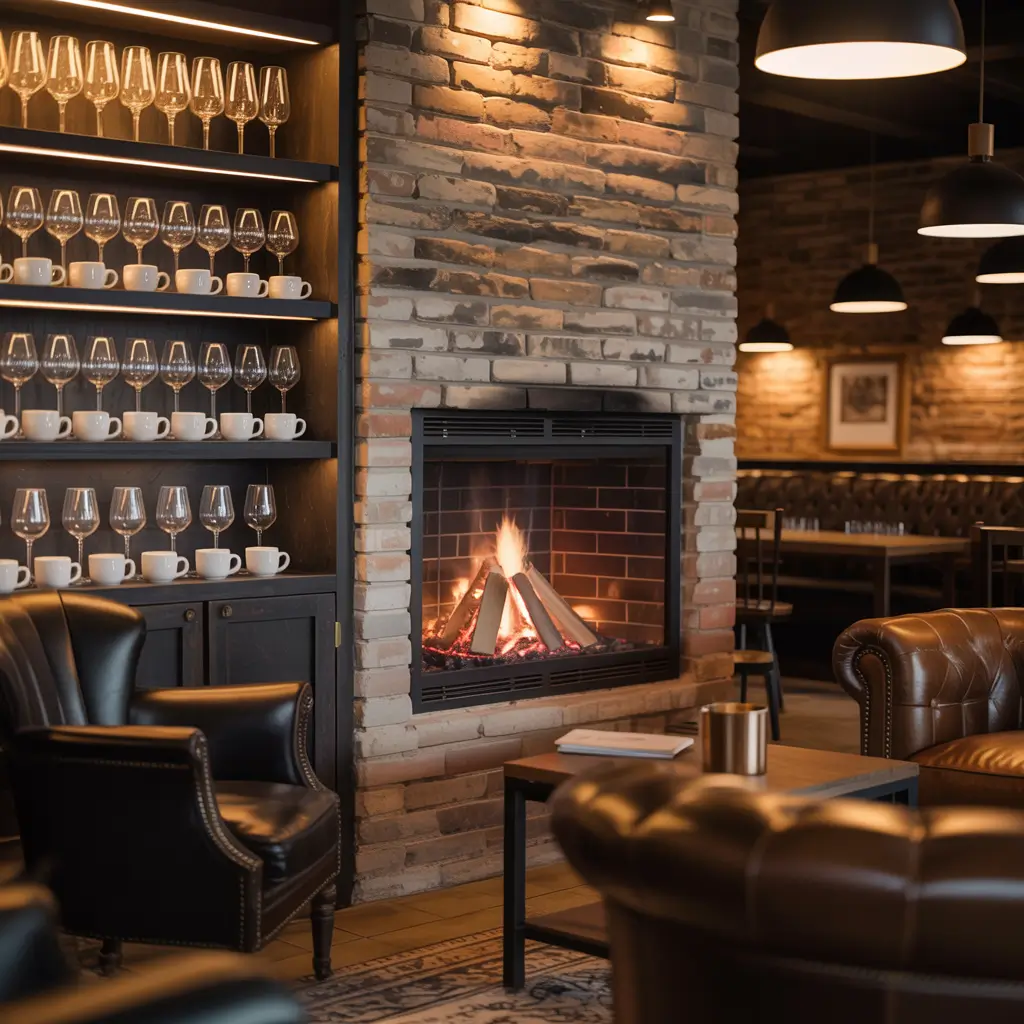
11. Cozy Fireplace Bar Setup
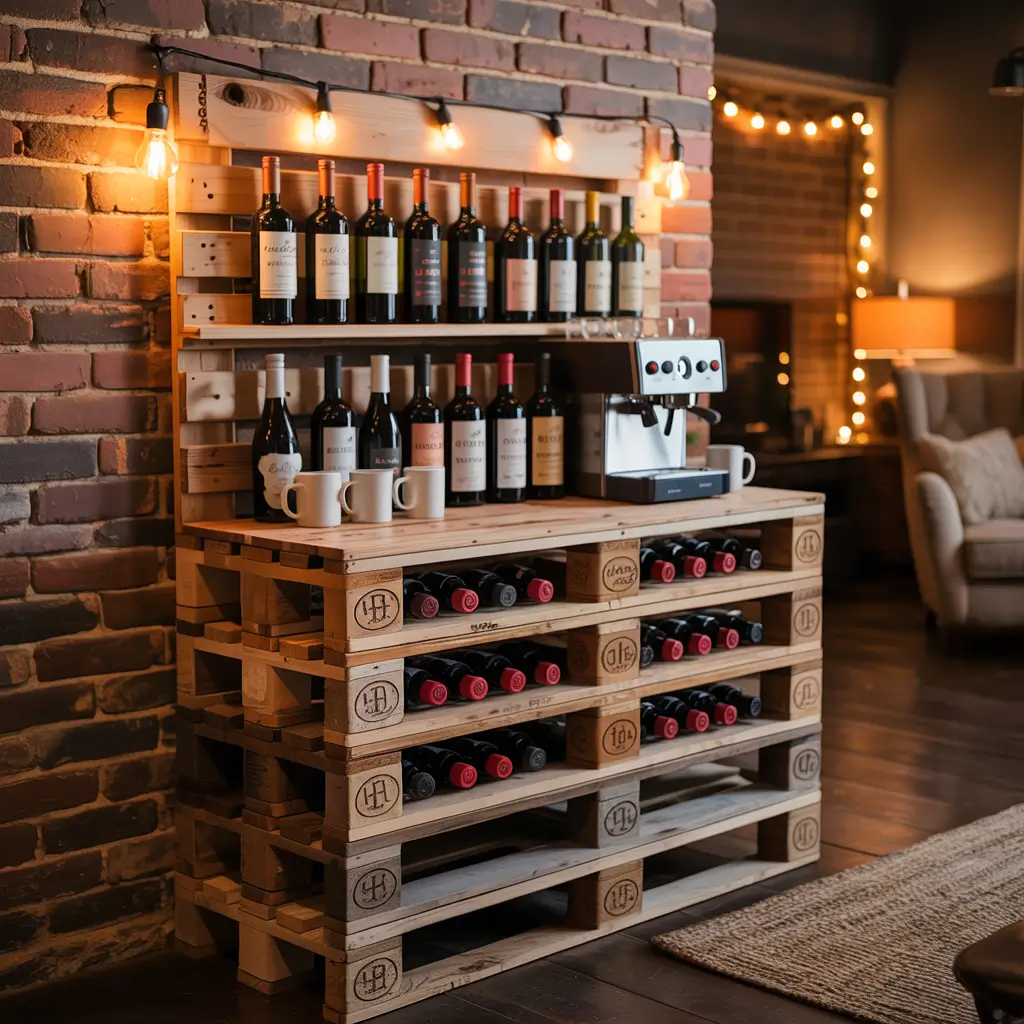
Combine warmth with your warming beverages. Ever wondered why coffee and wine taste better near a fire? Science probably has an explanation, but I prefer to call it magic. If you have a fireplace, using the surrounding space for a coffee and wine bar creates an instant cozy gathering spot.
I converted the built-in shelving flanking my fireplace into a bar setup. One side holds coffee equipment and mugs, the other showcases wine bottles and glasses. The fireplace itself becomes the focal point, with the bar as supporting actors that enhance the scene.
Fireplace bar benefits:
- Natural gathering spot where people already congregate
- Ambient warmth that makes the space inviting year-round
- Built-in architectural interest that needs minimal decoration
- Symmetrical opportunities for balanced design
- Seasonal flexibility for changing displays
The mantel serves as additional display space—I rotate seasonal decorations but always include a coffee-table book about wine or coffee, a small plant, and something personal. The fire below creates that perfect ambiance for settling in with either a morning coffee or evening wine.
A small side table next to the nearest chair holds whatever I’m drinking currently. During winter, I keep a basket with cozy blankets nearby. The entire setup encourages lingering, which is exactly what coffee and wine time should be about anyway.
One warning: Keep your good wines and coffee beans at a reasonable distance from direct heat. I learned this the hard way when a heat wave hit and my carefully positioned bottles got slightly too warm. Oops. 🙂
12. DIY Pallet Coffee & Wine Bar
Upcycling saves money and the planet. Listen, I’m not one of those people who sees potential in every piece of garbage, but pallets are different. They’re essentially free wood waiting to be transformed, and building a coffee and wine bar from pallets is way easier than it sounds.
My first DIY pallet project was rough (literally and figuratively—I didn’t sand enough). My second attempt created a bar I’m genuinely proud of. The rustic, reclaimed look works perfectly for a coffee and wine setup, and the satisfaction of saying “I built that” never gets old.
Pallet bar building basics:
- Source pallets carefully (heat-treated only, marked HT not MB—this matters for safety)
- Sand thoroughly unless you enjoy splinters
- Stain or paint to match your style
- Reinforce structure with additional screws or brackets
- Seal the wood to protect against spills
I built a simple three-tier shelf using two pallets. I dismantled one completely for individual planks, kept the other mostly intact for the base structure. Some strategic cutting, lots of sanding, dark walnut stain, and I had a custom bar that cost about $30 in supplies (assuming you already have basic tools).
The best part? Pallets have built-in slots perfect for storing wine bottles horizontally. I didn’t plan this—it just worked out, and now I look like a design genius. The rustic aesthetic means imperfections enhance rather than detract, so your first DIY attempt can still look intentional.
YouTube is your friend here. I watched probably 15 different pallet project videos before starting, which saved me from several mistakes (though I still made a few original ones).
13. Vintage Bar Cart Transformation
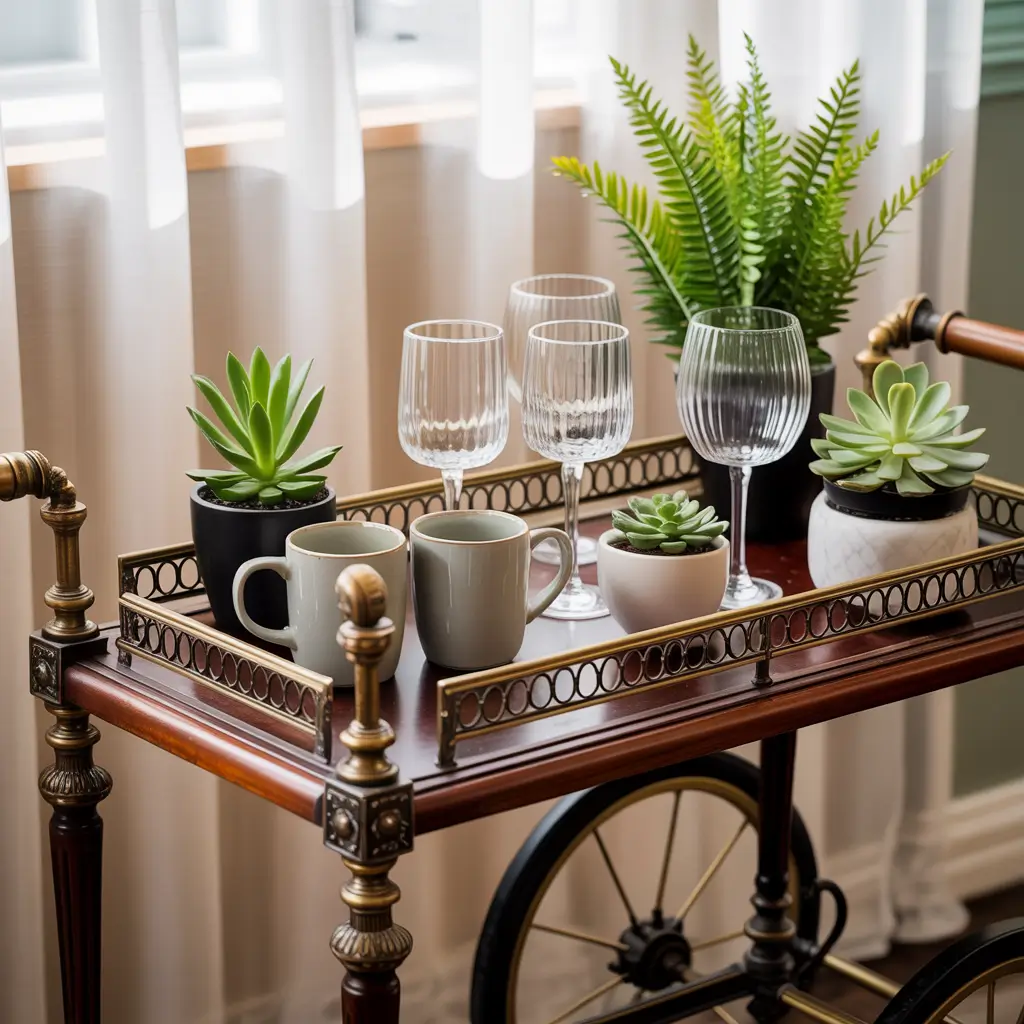
Old bar carts are treasure waiting to happen. I see these regularly at thrift stores, estate sales, and online marketplaces, usually looking sad and neglected. But a vintage bar cart has good bones and incredible potential.
I scored my brass-and-smoked-glass bar cart for $40 at a garage sale. It was tarnished, wobbly, and missing a wheel. After polishing the brass, tightening the screws, and adding a new caster, it became the centerpiece of my living room—housing my coffee and wine setup in mobile, glamorous style.
Vintage bar cart transformation tips:
- Check the structure before buying—wobbly can be fixed, broken often can’t
- Polish metal finishes with appropriate cleaners (brass, chrome, etc.)
- Replace wheels if needed (universal casters are cheap)
- Clean or replace glass/mirrored surfaces for maximum impact
- Style intentionally with vintage-appropriate accessories
The beauty of a bar cart is mobility. I wheel mine near the couch for movie night, by the dining table for dinner parties, or onto my patio for outdoor enjoyment. It holds my pour-over coffee setup, French press, selection of wines, glassware, and bar tools—everything contained but accessible.
I styled mine with vintage elements: an antique coffee grinder (non-functional but gorgeous), art deco wine glasses inherited from my grandmother, a crystal decanter for whiskey (because why not), and a small vase with fresh flowers. The mix of old and new creates a collected-over-time feel, even though I assembled it in one weekend.
Maintenance is minimal—occasional polishing and keeping items organized. The limited space actually helps; you can’t accumulate clutter when you only have two tiers to work with.
14. Wall-Mounted Wine & Coffee Rack
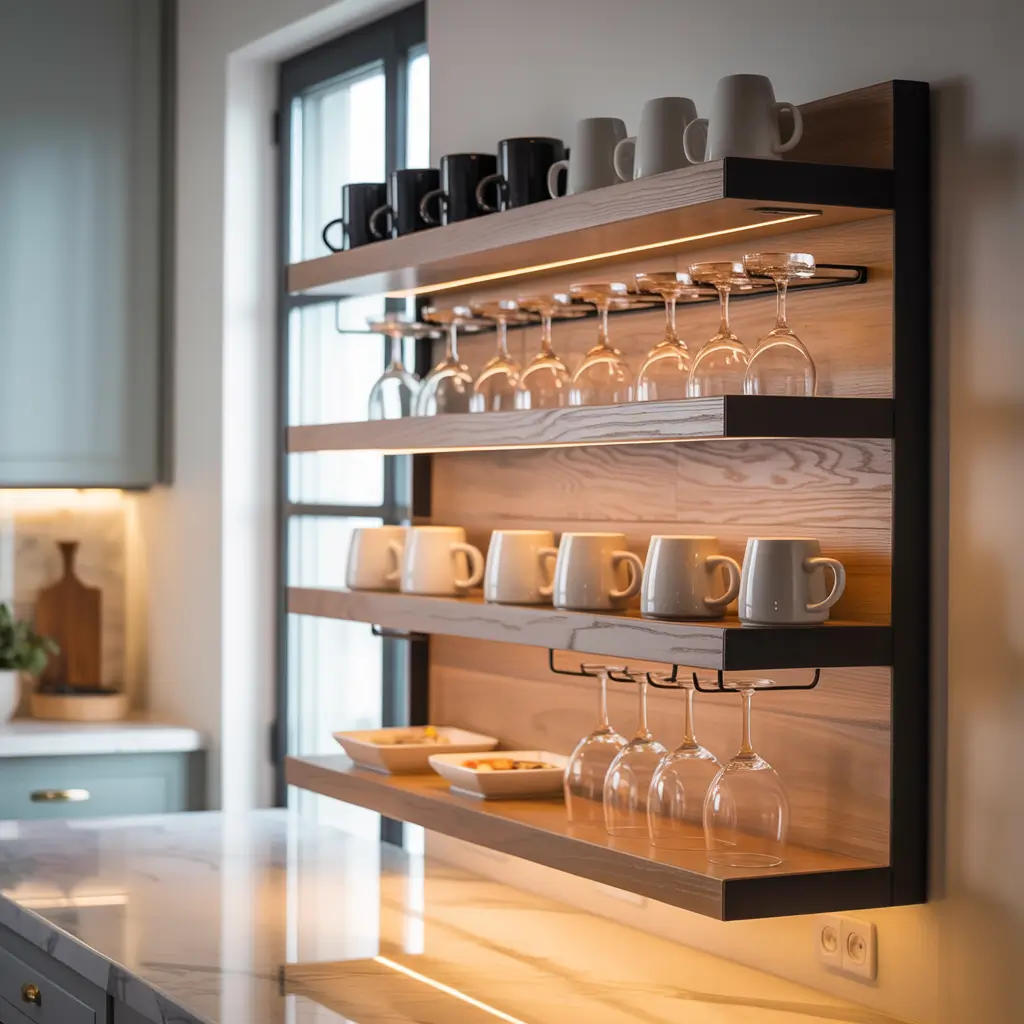
Vertical space is underutilized real estate. Wall-mounting your coffee and wine storage frees up counter and floor space while creating a focal point feature that’s both functional and decorative.
I installed a custom wall-mounted rack in my kitchen that combines wine bottle storage, wine glass holders, coffee mug hooks, and a small shelf for my coffee maker. It transformed a blank wall into a practical café-meets-wine-bar situation.
Wall-mounted solutions that work:
- Wine bottle holders in various configurations (single line, pyramid, honeycomb)
- Stemware racks that hang glasses upside-down (practical and pretty)
- Coffee mug hooks or pegboards for easy access
- Small floating shelves integrated into the design
- Combination units that do it all
The installation intimidated me initially (what if I hang it crooked? what if it falls and breaks all my wine glasses?), but using a level and finding studs solves most problems. I mounted mine into studs for security, using toggle bolts for the sections between studs.
The result holds 12 wine bottles, 8 wine glasses, 10 coffee mugs, and my small coffee maker, all in about 4 square feet of wall space. Everything’s visible and accessible, which means I actually use all of it instead of forgetting what’s shoved in back of cabinets.
An unexpected bonus: guests always compliment this setup. There’s something about seeing wine bottles displayed on a wall that feels upscale and intentional, like you put thought into your home (you did—you installed a whole rack).
15. Indoor Garden Coffee & Wine Bar
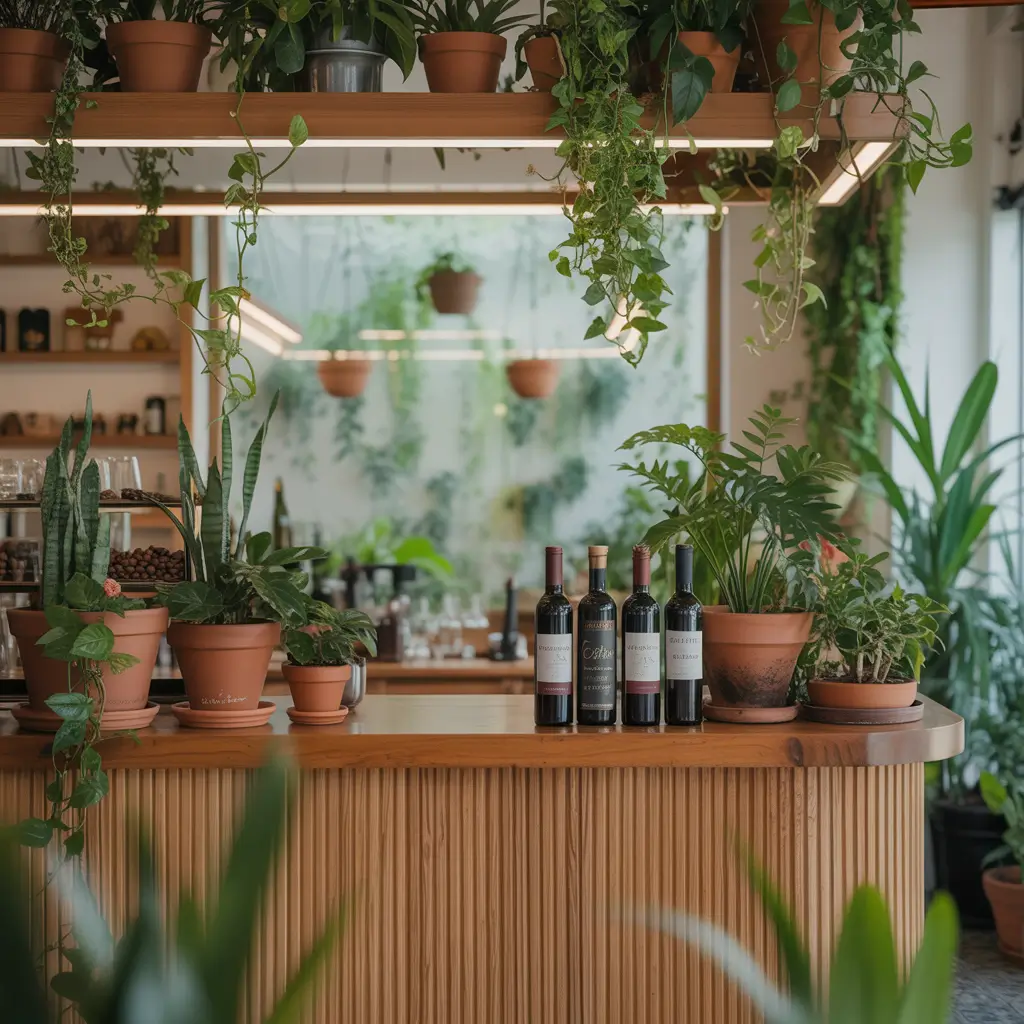
Plants make everything better, including your bar. Combining a coffee and wine setup with indoor plants creates a fresh, living space that engages multiple senses. The greenery purifies air, adds color and texture, and frankly makes you feel fancier while drinking your beverages.
My indoor garden bar started small—a single pothos next to my coffee maker. It escalated. Now I have herbs, trailing plants, small trees, and succulents integrated throughout my bar setup, and I regret nothing.
Creating a garden bar atmosphere:
- Choose appropriate plants (low-light tolerant if your space is dim)
- Herbs serve double duty (fresh mint for cocktails, anyone?)
- Hanging plants add dimension without taking surface space
- Varying heights create visual interest through plant stands
- Water-resistant surfaces make spills less stressful
I use a three-tiered plant stand as the foundation, with coffee equipment on one tier, wine on another, and plants on the third. Additional trailing plants cascade from wall-mounted planters above. The effect is lush and jungle-like, but contained to one corner of my kitchen.
The herbs are surprisingly useful. Fresh basil leaves in wine? Try it. Mint from your bar garden in your evening espresso martini? Yes. Rosemary sprigs as garnish? Absolutely. Plus, the act of watering your plants becomes part of your morning coffee routine—meditative and grounding.
One reality check: plants need maintenance. If you’re not ready to commit to watering schedules and occasional pruning, stick with very low-maintenance options like pothos, snake plants, or succulents. Dead plants don’t enhance your bar aesthetic.
Creating Your Perfect Coffee & Wine Bar
So there you have it—15 completely different approaches to creating a beautiful coffee and wine bar in your home. The truth is, you don’t need a massive budget, a huge space, or professional design skills. You just need to pick a style that resonates with who you are and how you live.
I’ve tried several of these over the years (moving helped), and each space reflected different phases of my life and aesthetic preferences. The minimalist setup during my decluttering phase. The boho bar when I traveled extensively. The current industrial-meets-indoor-garden hybrid I’m running now.
Your coffee and wine bar should make you happy every time you use it. That’s the only non-negotiable rule. Everything else—the style, the price point, the specific items—is just details you get to customize.
Start with one idea that excites you. Maybe it’s repurposing that corner you hate, or finally using those floating shelves you’ve been eyeing, or transforming a vintage find into something new. Take it step by step, adjust as you go, and remember that your bar will probably evolve over time anyway.
And if you mess up? So what. Paint over it. Rearrange it. Try something different. I’ve had plenty of “what was I thinking?” moments (the purple phase was questionable), but each attempt taught me something about my preferences and abilities.
Now go make yourself a coffee or pour some wine, look around your space, and start planning. Your perfect coffee and wine bar is waiting to happen, and honestly, you’ve got this.