15 Modern Small Apartment Living Room Tips for Open Feel

Look, I get it. You’re staring at your cramped living room right now, wondering how on earth you’re supposed to fit your life into what feels like a glorified closet. Your couch barely fits, you’ve got stuff stacked everywhere, and forget about having people over—they’d have to sit on your lap. But here’s the thing: small doesn’t have to mean suffocating.
I’ve been through the tiny apartment struggle myself, and honestly? Some of my favorite spaces have been the smallest ones. There’s something weirdly satisfying about making a compact living room feel like it’s twice its actual size. You just need to know the tricks. So grab your coffee (or wine, no judgment), and let’s talk about how to transform your shoebox into a space that actually breathes.
Multifunctional Furniture Layouts
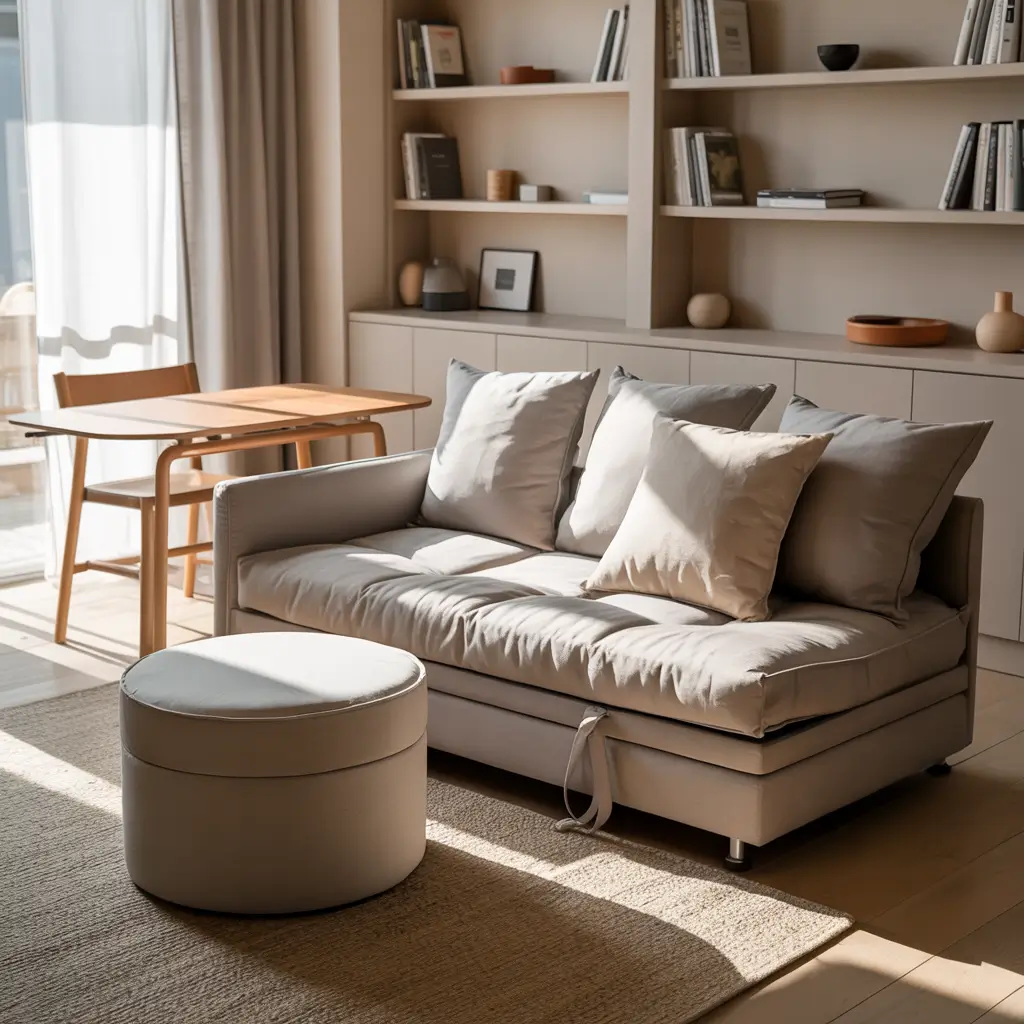
First things first—you need furniture that earns its keep. And I mean really earns it. That massive sectional that only does one job? It’s gotta go.
Multifunctional furniture is your new best friend. I’m talking about ottomans that open up for storage, sofa beds that don’t look like your grandma’s pull-out couch, and benches that double as shoe storage. Every single piece in your living room should serve at least two purposes, or it’s taking up valuable real estate.
Here’s what actually works:
- Sofa beds with built-in storage drawers underneath
- Nesting tables that you can pull out when you have guests
- Storage ottomans that work as coffee tables, extra seating, AND hide your random stuff
- Console tables behind your sofa that create workspace or dining space
The layout matters too. Instead of pushing everything against the walls (which actually makes small rooms feel smaller, weirdly enough), try floating your furniture. Pull that sofa a few inches from the wall. It creates depth and makes your room feel intentional rather than cramped.
Minimalist Scandinavian Living Rooms
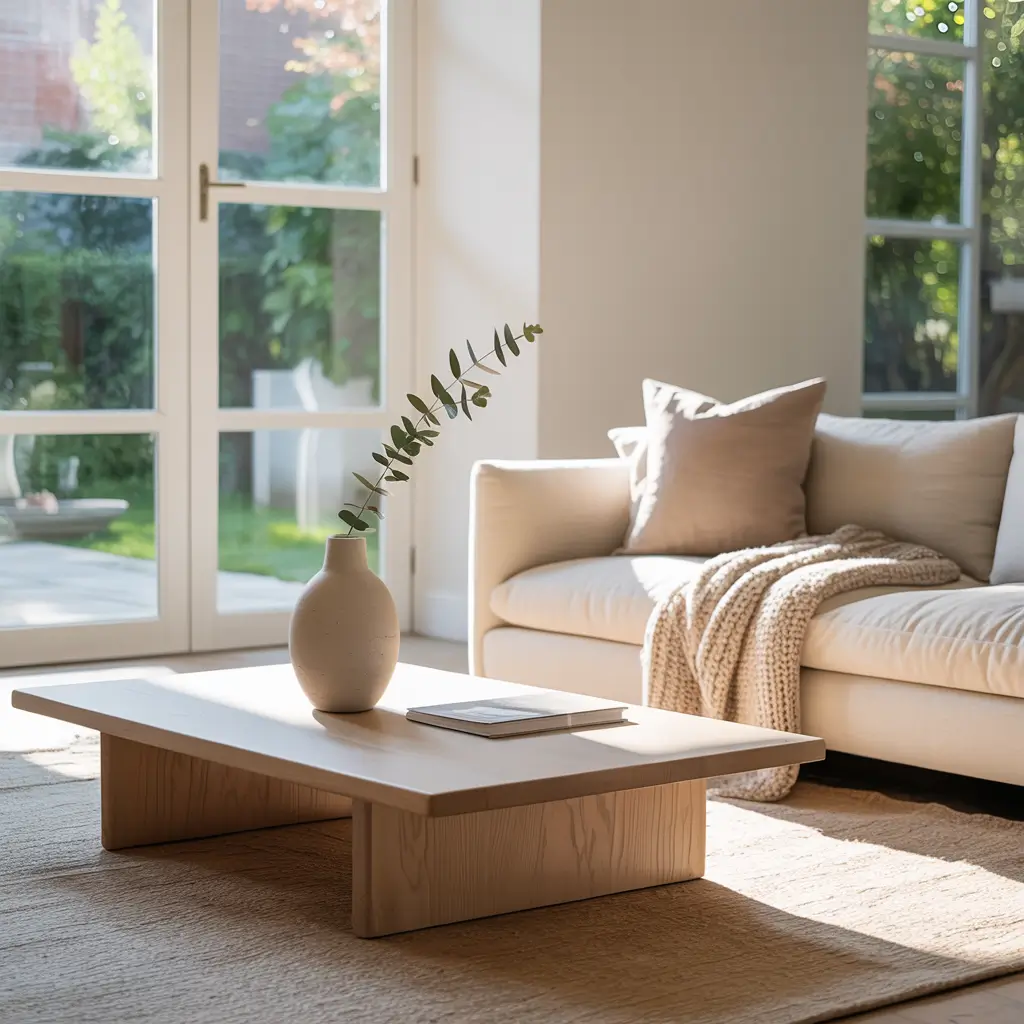
Okay, so Scandinavian design gets thrown around a lot these days, but there’s a reason it works insanely well for small spaces. Those Scandinavian folks know a thing or two about living in compact homes—have you seen apartment prices in Copenhagen?
The minimalist Scandinavian approach focuses on clean lines, functionality, and zero clutter. You’re not decorating with seventeen throw pillows and eight different patterns. You’re keeping things simple, neutral, and intentional.
Think light wood furniture, white or cream walls, and pops of black for contrast. The whole vibe is “less is more,” which sounds cliché until you actually try it and realize your space can finally breathe. I switched to this style in my last apartment, and honestly, it felt like someone opened a window in my brain.
Key elements to nail this look:
- Light wood (birch, oak, pine) furniture pieces
- Neutral color base (whites, grays, beiges)
- Natural textures (linen, cotton, wool)
- Minimal accessories (choose quality over quantity)
- Lots of natural light (more on this later)
Cozy Compact Sofa Corners
Ever notice how the corner of a room often goes completely unused? That’s prime real estate you’re wasting, my friend.
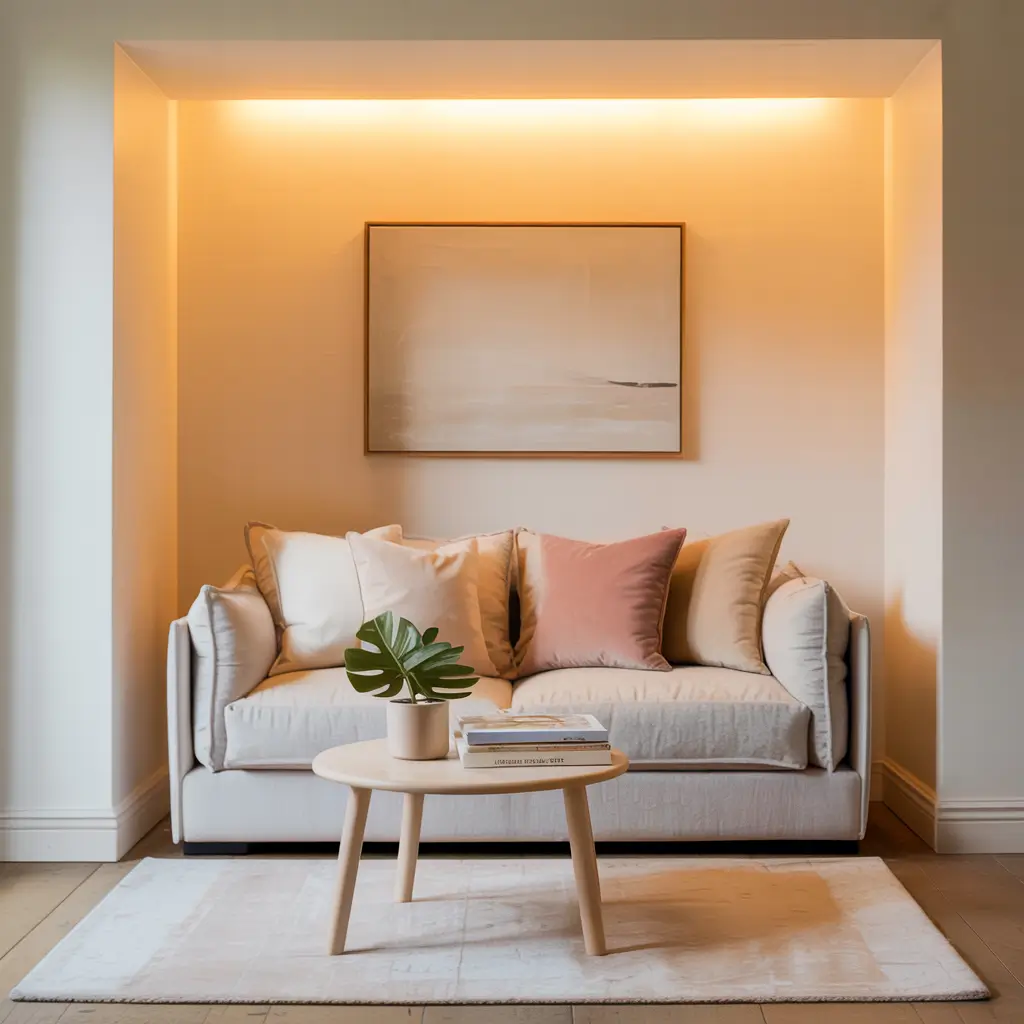
Creating a compact sofa corner maximizes your space while keeping things cozy. I’m not saying cram a full-size sectional into the corner—that’s a disaster waiting to happen. But a small loveseat or a cleverly angled armchair situation can transform that dead corner into the most inviting spot in your apartment.
Here’s what I do: Pick a corner with good natural light if possible. Add a small two-seater or a chaise that fits the corner snugly. Throw in a floor lamp (we’ll talk lighting later), a small side table, and boom—you’ve got a reading nook that doesn’t eat up your entire living room.
The trick is keeping the scale appropriate. You want furniture that fits the corner without overwhelming it. Measure twice, buy once. Trust me on this—I once ordered a “compact” loveseat that arrived and basically became a room divider. Not the vibe I was going for.
Space-Saving Storage Solutions
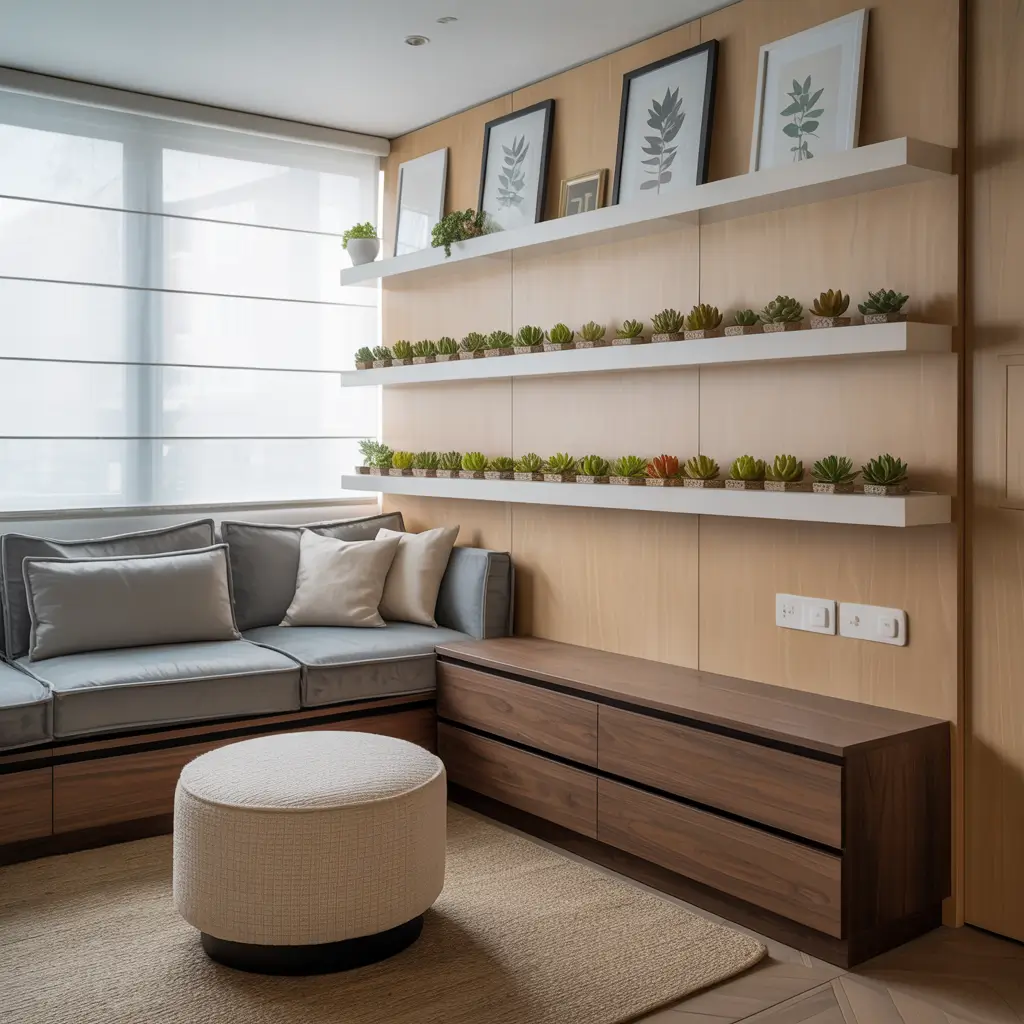
Let’s be real: The biggest enemy of an open, airy living room is clutter. And in a small apartment, clutter multiplies faster than rabbits.
You need storage solutions that hide your mess while taking up minimal floor space. This is where you get creative. I’m talking about storage you don’t immediately notice—the sneaky kind that makes visitors wonder where you keep all your stuff.
Some game-changers:
- Hollow side tables with internal storage
- Behind-the-door organizers for magazines, remotes, chargers
- Storage baskets that slide under furniture
- TV stands with closed cabinets (open shelving looks cute on Pinterest but collects dust and chaos)
- Ladder shelves that lean against walls
The golden rule? Everything you own needs a designated home. If it doesn’t have a spot, it becomes clutter, and clutter makes your small space feel even smaller. I know this sounds like something your mom would say, but she’s right. (Don’t tell her I said that.)
Bright & Airy Color Palettes
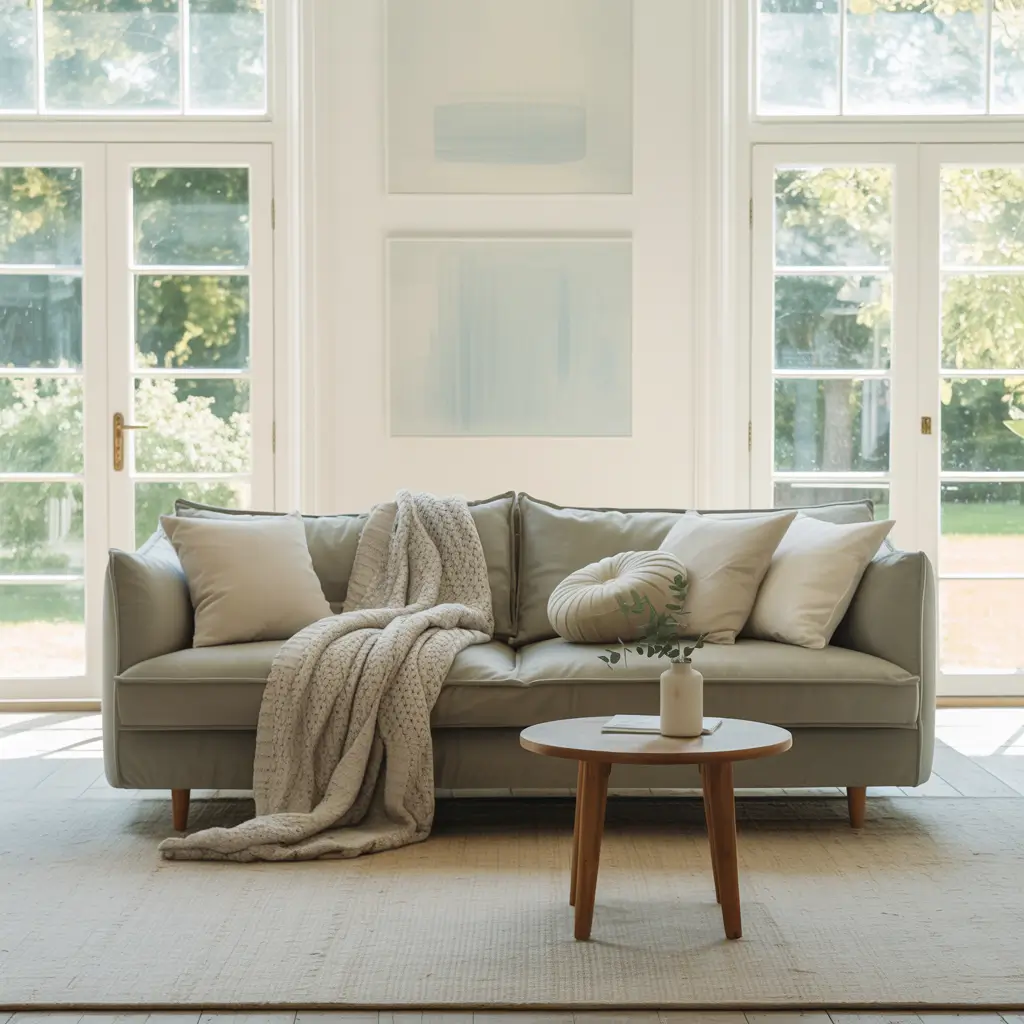
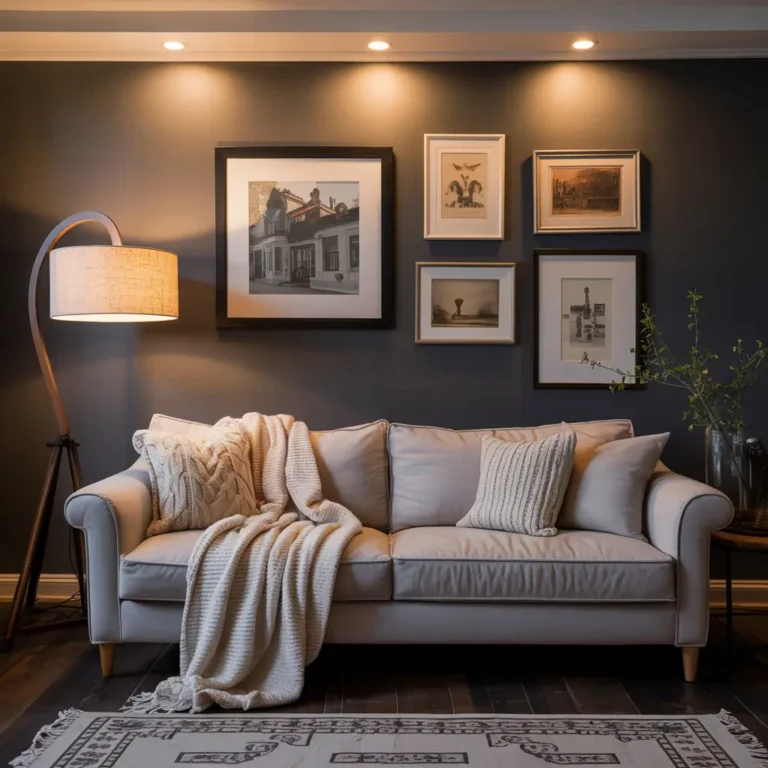
Here’s something that blew my mind when I finally accepted it: Dark colors make small rooms feel like caves. I know, I know—dark accent walls are trendy and moody and look amazing on Instagram. But unless you’ve got massive windows and incredible natural light, dark colors will shrink your space faster than you can say “claustrophobic.”
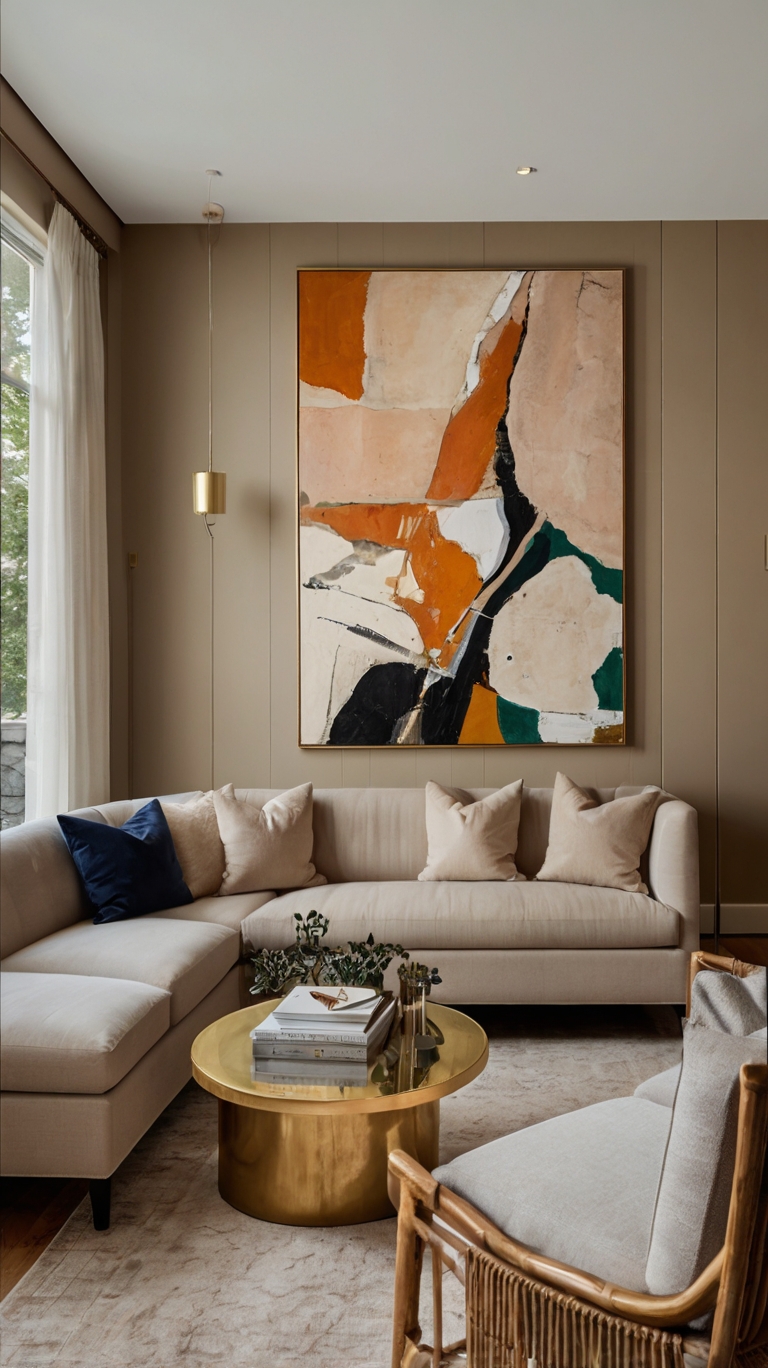
Stick with light, bright colors for your main palette. Whites, creams, light grays, soft pastels—these reflect light and make your living room feel open. You’re literally tricking the eye into thinking there’s more space than there actually is.
That doesn’t mean your room has to look like a boring white box, though. Add personality through:
- Colorful artwork on white walls
- Textured neutrals (think cream linen, beige knits, soft grays)
- One or two accent colors in small doses (throw pillows, a single chair, plants)
- Natural wood tones to warm things up
I used to be stubborn about this and insisted on a navy accent wall. My living room looked like a shoebox lined with midnight blue velvet. Switching to light colors literally added visual square footage. FYI, your Instagram aesthetic isn’t worth living in a dungeon 🙂
Also Read: 15 Bright Apartment Living Room Inspirations for Every Style
Vertical Storage Inspiration
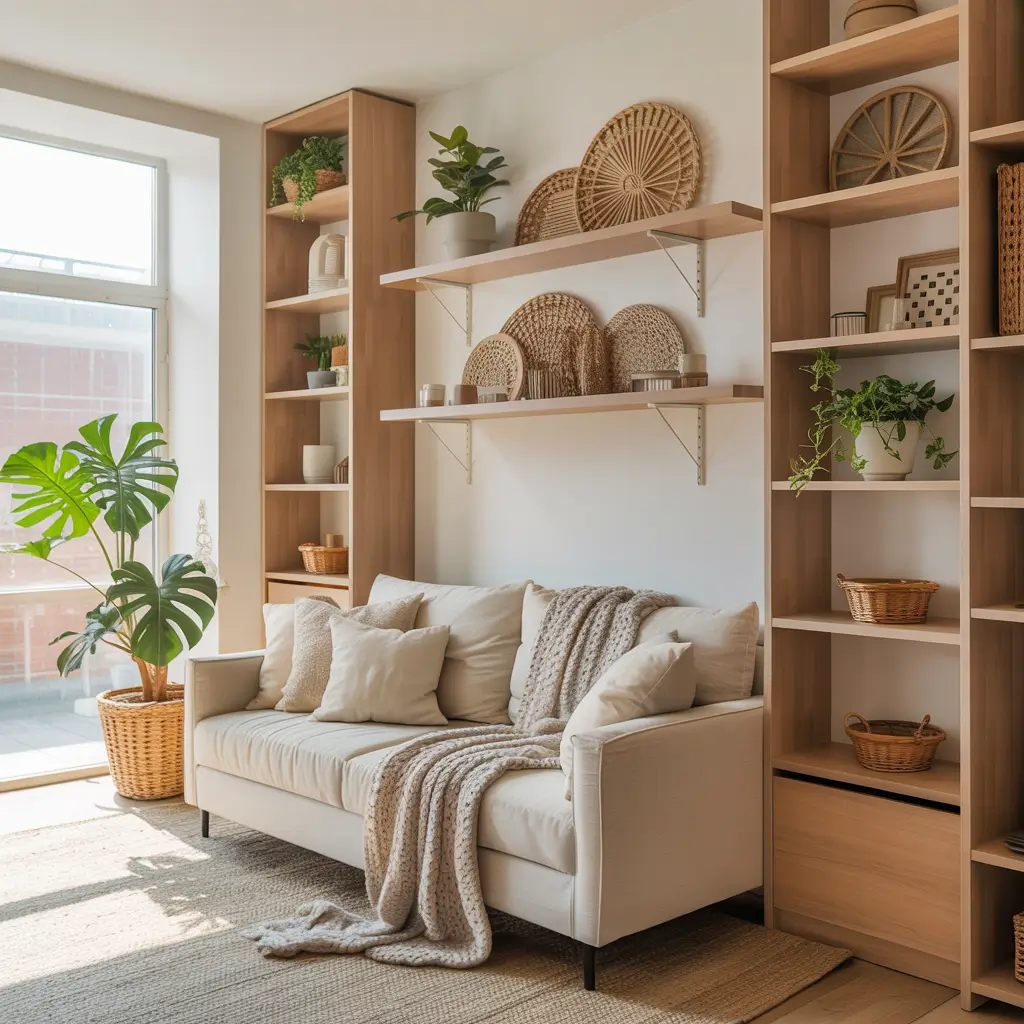
Quick question: Why does everyone focus on floor space and completely ignore their walls? Your walls are free real estate, people!
Going vertical is the secret sauce for small apartment living rooms. When you can’t expand outward, you expand upward. Floor-to-ceiling shelving, wall-mounted cabinets, tall bookcases—these pull the eye up and create the illusion of higher ceilings and more space.
I installed floor-to-ceiling shelving in my last place, and the difference was wild. Suddenly I had storage for books, decor, plants, and all the random stuff that was previously scattered around making my space feel chaotic.
Smart vertical storage ideas:
- Tall, narrow bookcases instead of short, wide ones
- Wall-mounted shelves above your sofa or desk area
- Pegboards for organizing smaller items (surprisingly stylish if you do it right)
- Vertical magazine racks instead of coffee table piles
- Hanging planters to add greenery without using surface space
The bonus? Vertical storage draws the eye upward, which makes your ceiling feel higher. It’s optical illusion 101, and it works.
Small Living Room Plants & Greenery
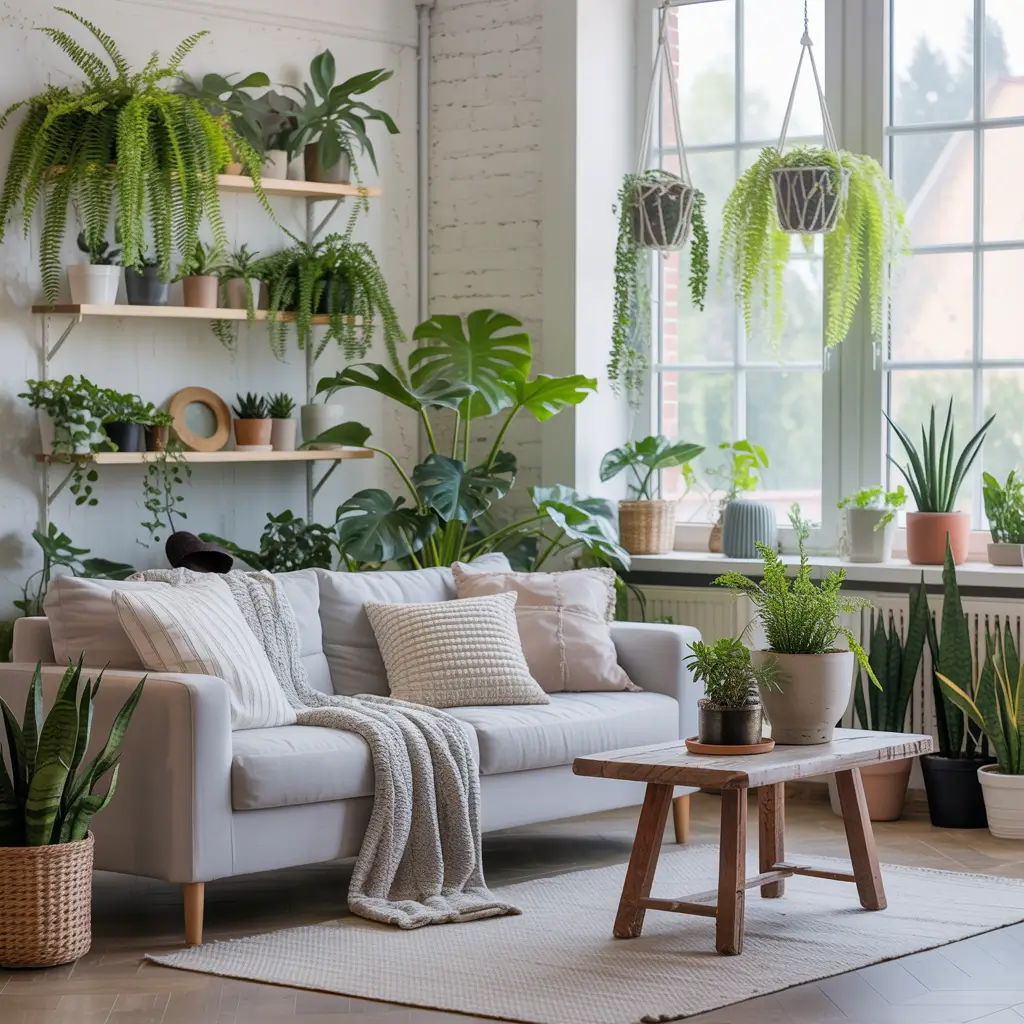
Okay, confession time: I used to think plants in small spaces were a waste of precious room. I was so, so wrong.
Plants bring life and freshness to compact living rooms without taking up much space. They purify your air, add pops of color, and make your apartment feel less like a concrete box and more like, you know, a place where humans live. Plus, there’s actual science behind plants making spaces feel more open and inviting.
The trick is choosing the right plants and putting them in smart spots:
- Hanging plants (pothos, string of pearls) use zero floor space
- Tall, vertical plants (snake plants, fiddle leaf figs) draw the eye up
- Small succulents on shelves or window sills
- Corner plants (monstera, rubber trees) soften harsh angles
You don’t need to turn your living room into a jungle (unless that’s your thing—no judgment). Even three or four well-placed plants make a massive difference. And please, for the love of all that is holy, skip the fake plants. They collect dust and scream “I gave up.” Real plants or no plants—those are your options.
Open Shelving Decor Ideas
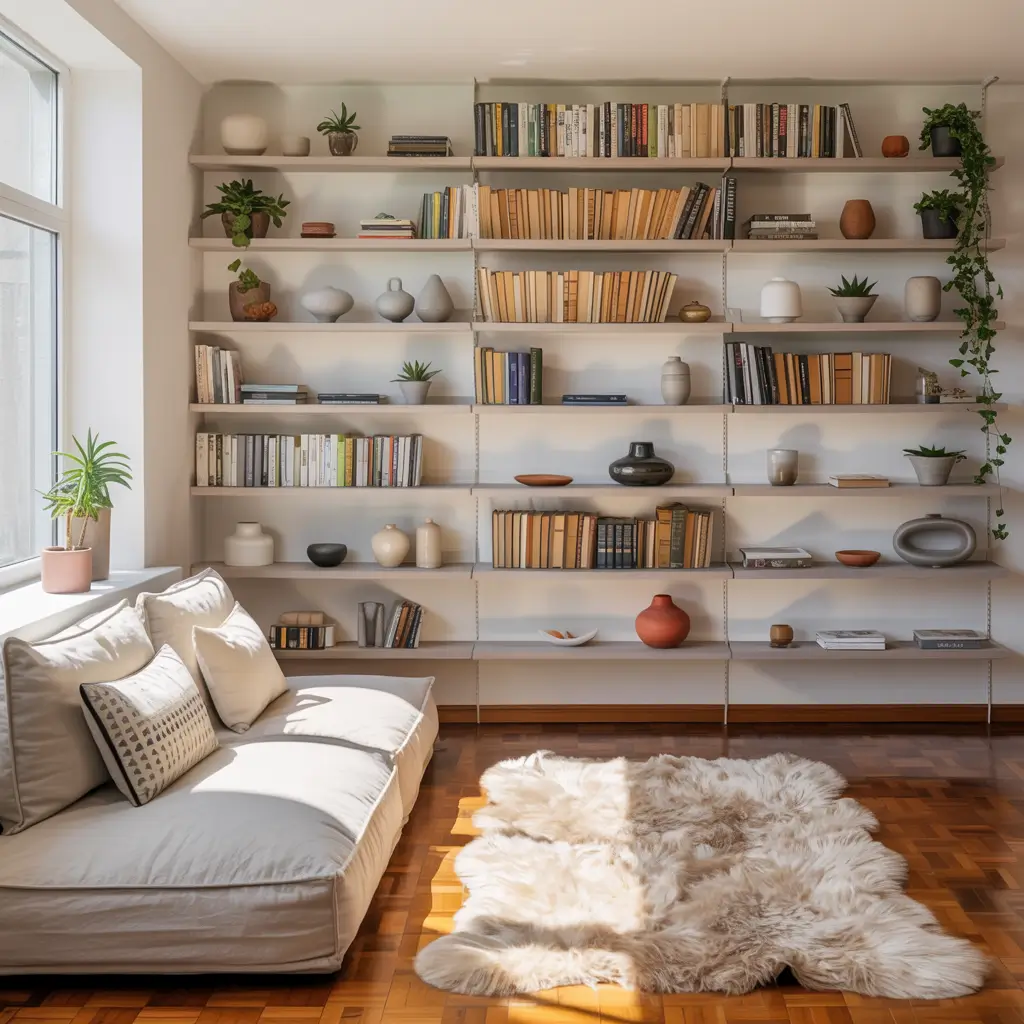
IMO, open shelving gets a bad rap. Yeah, it can look messy if you’re not intentional, but when done right? Open shelving adds character and visual interest without the heaviness of closed cabinets.
The key is treating your shelves like a curated collection, not a dumping ground. I style mine with a mix of books, small plants, a few meaningful decorative objects, and some practical items. The rule of thirds works great here—fill about two-thirds of the shelf, leaving some breathing room.
Here’s how to keep open shelving from looking chaotic:
- Use matching baskets for hiding ugly necessities
- Group items in odd numbers (three, five, seven—it’s more visually pleasing)
- Vary heights to create interest
- Stick to a color scheme so everything feels cohesive
- Leave some empty space—not every shelf needs to be full
Open shelving makes small living rooms feel less boxy and closed-in. It’s like showing off your personality while staying organized. Just dust regularly, or you’ll regret your design choices real quick.
Multifunctional Coffee Tables
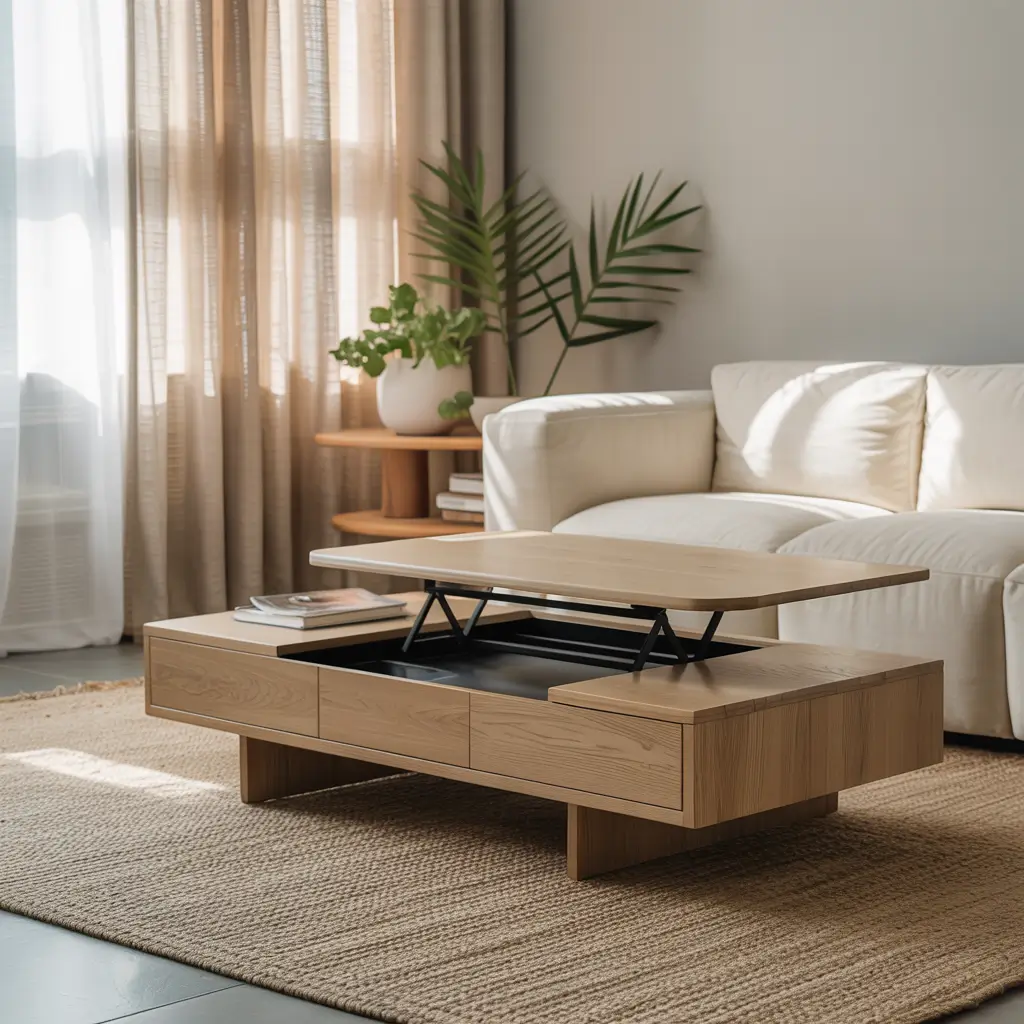
Let’s talk about the unsung hero of small living rooms: the coffee table that does way more than hold your coffee.
Your standard coffee table just sits there looking pretty while taking up a huge footprint in your living room. That’s not going to cut it when you’re working with limited square footage. You need a coffee table that works as hard as you do (or at least pretends to).
Game-changing coffee table features:
- Lift-top surfaces that raise up for laptop work or eating
- Storage compartments underneath for remotes, magazines, blankets
- Nesting designs that expand when you need surface space
- Ottoman-style with hidden storage inside
- Wheels or casters so you can move it around easily
I have a lift-top coffee table right now, and it’s honestly changed my life. Working from home? It’s a desk. Movie night? It’s a dining table. Regular Tuesday? It’s hiding all my junk inside where guests can’t see it. Worth every penny.
The right coffee table can eliminate your need for extra furniture pieces. That’s what we’re going for here—every piece pulling double (or triple) duty.
Also Read: 15 Cozy Deep Green Bathroom Styles and Spa-Like Comfort
Small Living Room Lighting Hacks
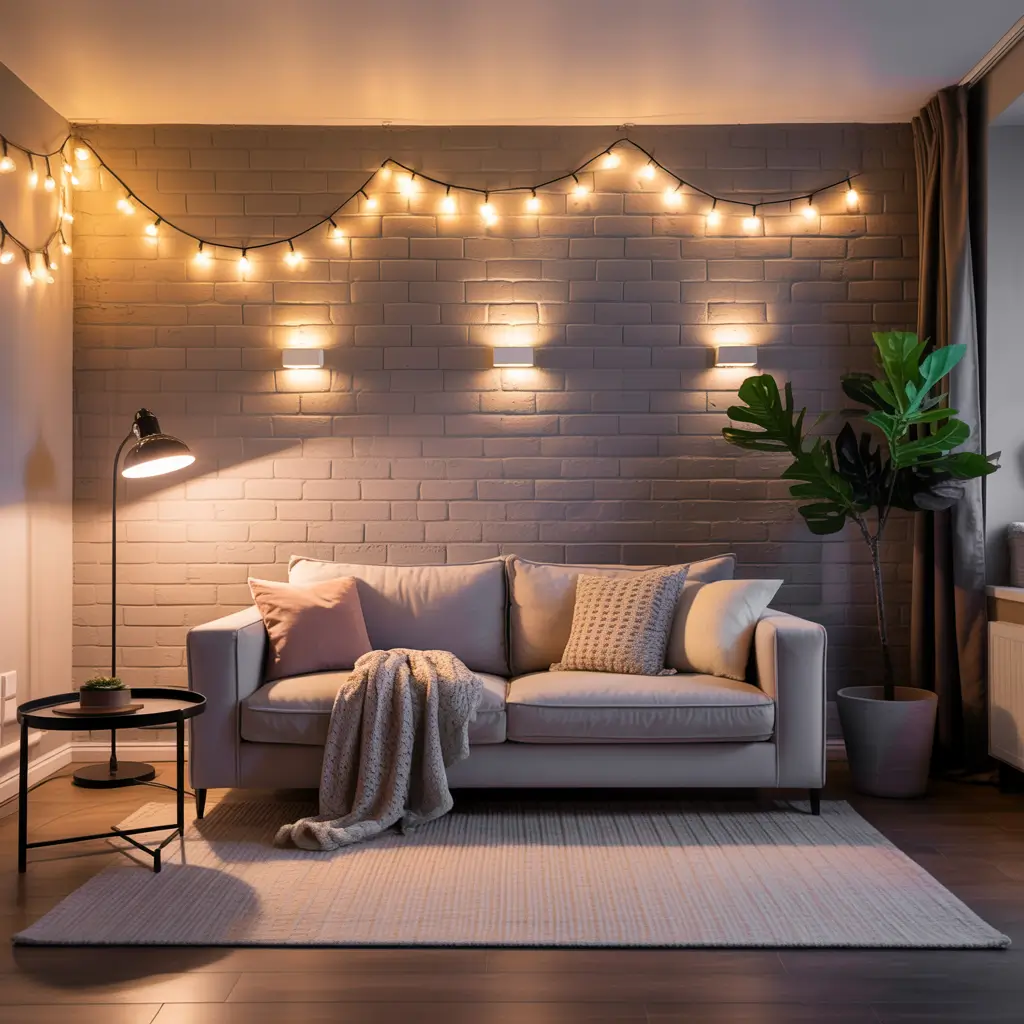
Here’s something most people get wrong: Lighting can make or break how spacious your small living room feels. One sad overhead light isn’t going to cut it, friends.
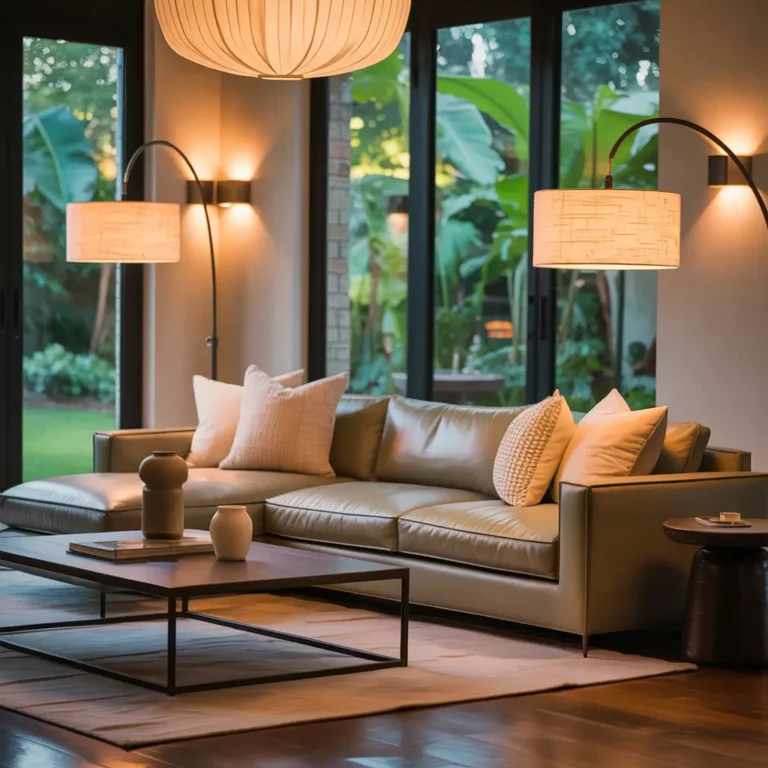
You need layered lighting. That means combining different light sources at different heights to create depth and ambiance. When you light a room from multiple angles, you eliminate dark corners and make the space feel larger and more open.
My go-to lighting strategy:
- Floor lamps in corners (tall ones that bounce light off the ceiling)
- Table lamps on side tables or shelves
- Wall sconces to save surface space while adding light
- String lights or LED strips behind furniture for ambient glow
- Mirrors positioned to reflect light sources (we’ll get to mirrors soon)
Avoid heavy, dark lampshades that absorb light. Choose light-colored or translucent shades that let light spread throughout the room. And for the love of all that’s bright, use warm white bulbs—not the harsh blue-white ones that make your apartment feel like a hospital.
Natural light is your best friend too. Keep window treatments minimal or choose light-filtering options rather than blackout curtains during the day.
Wall-Mounted TV & Entertainment Units
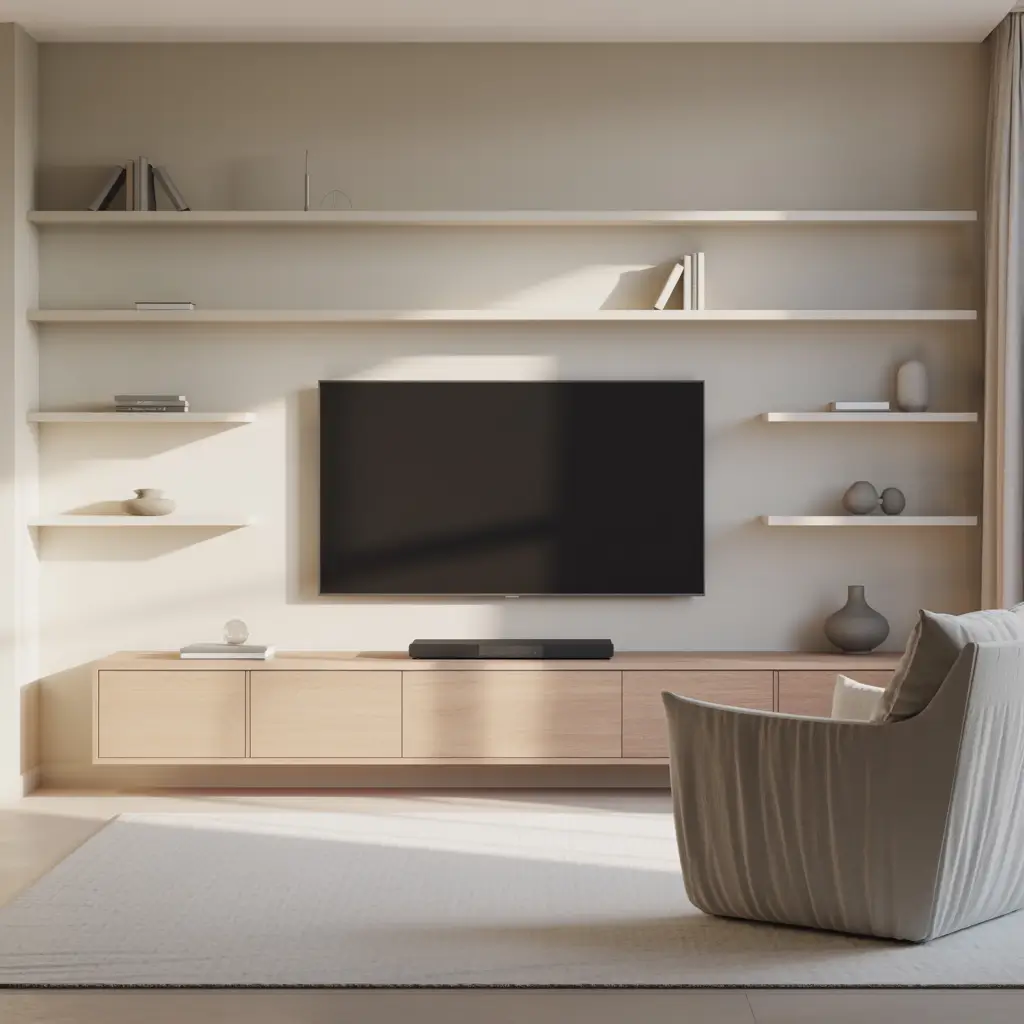
Nothing eats up floor space quite like a massive entertainment center. You know the ones I’m talking about—those behemoth units from the early 2000s that could house a small family.
Mounting your TV on the wall is the single easiest way to free up valuable floor space. Plus, it looks cleaner and more modern. You can position it at the perfect viewing height, and suddenly your living room feels less cluttered.
For storage, skip the bulky TV stand and go with:
- Floating shelves beneath the TV for your streaming devices
- Wall-mounted cabinets that don’t touch the floor
- Slim console tables (if you must have something on the floor)
- Cable management systems to hide the cord chaos
I resisted wall-mounting for the longest time because I was scared of putting holes in my wall. Then I did it, and I felt like an idiot for waiting so long. The visual space you gain is incredible. Plus, you can arrange furniture more flexibly when the TV isn’t dictating where everything goes.
Just make sure you mount it properly (use studs or proper anchors, please don’t be that person whose TV crashes down in the middle of movie night).
Foldable & Hidden Furniture Ideas
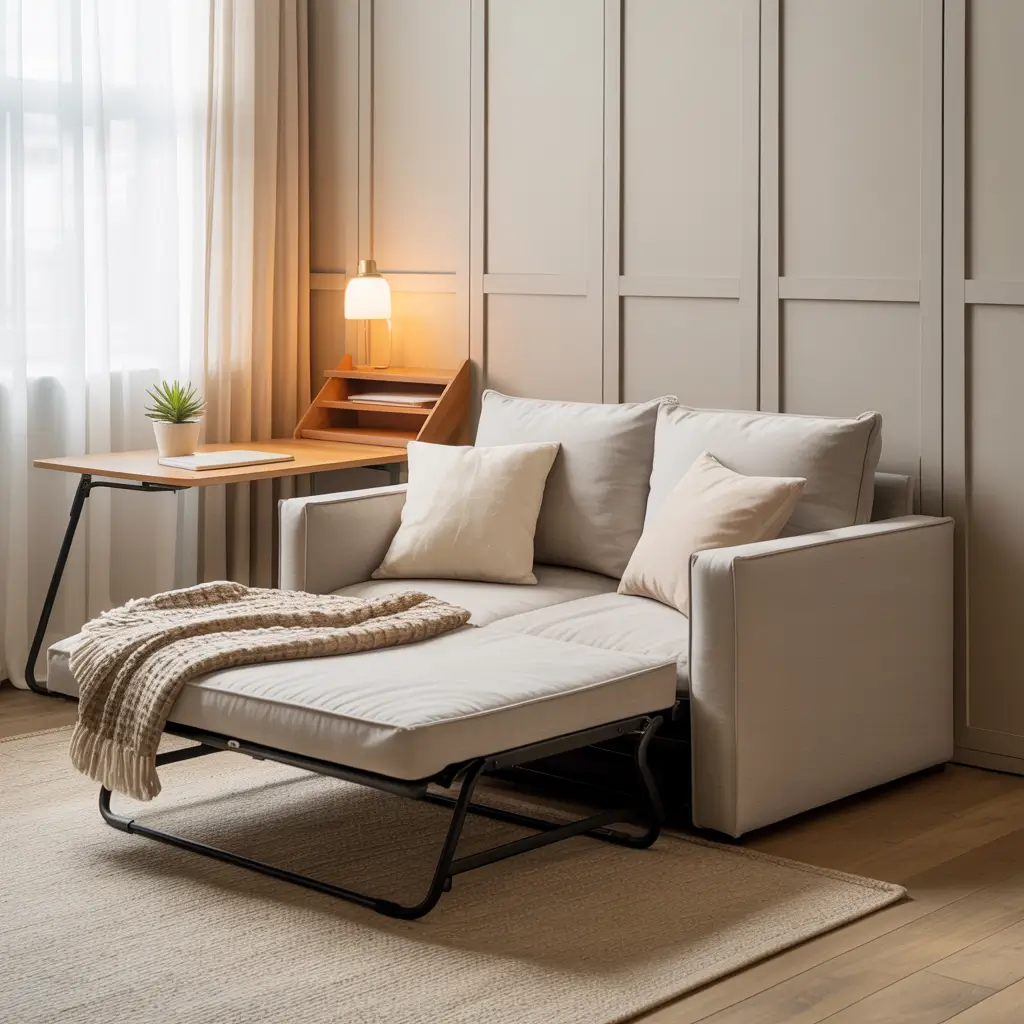
Want to know the ultimate small-space flex? Furniture that disappears when you don’t need it.
Foldable and hidden furniture sounds gimmicky until you actually live in a small apartment. Then it becomes genius. I’m talking about chairs that fold flat and hang on the wall, tables that collapse, desks that hide inside cabinets—all that James Bond-level stuff.
Some actually practical options:
- Wall-mounted drop-leaf tables for dining or work
- Murphy beds with sofa fronts (if your living room doubles as a bedroom)
- Folding chairs that stack or hang on wall hooks
- Nesting stools that slide under your coffee table
- Fold-down desk surfaces attached to walls
The beauty of foldable furniture is flexibility. You can have a dining table when you need it, then fold it away and have open floor space for yoga, dancing, or just pacing around while you’re on the phone (just me?).
Quality matters here, though. Cheap foldable furniture feels flimsy and breaks quickly. Invest in well-made pieces that you’ll actually want to use rather than avoid because they’re annoying.
Statement Rugs for Small Spaces
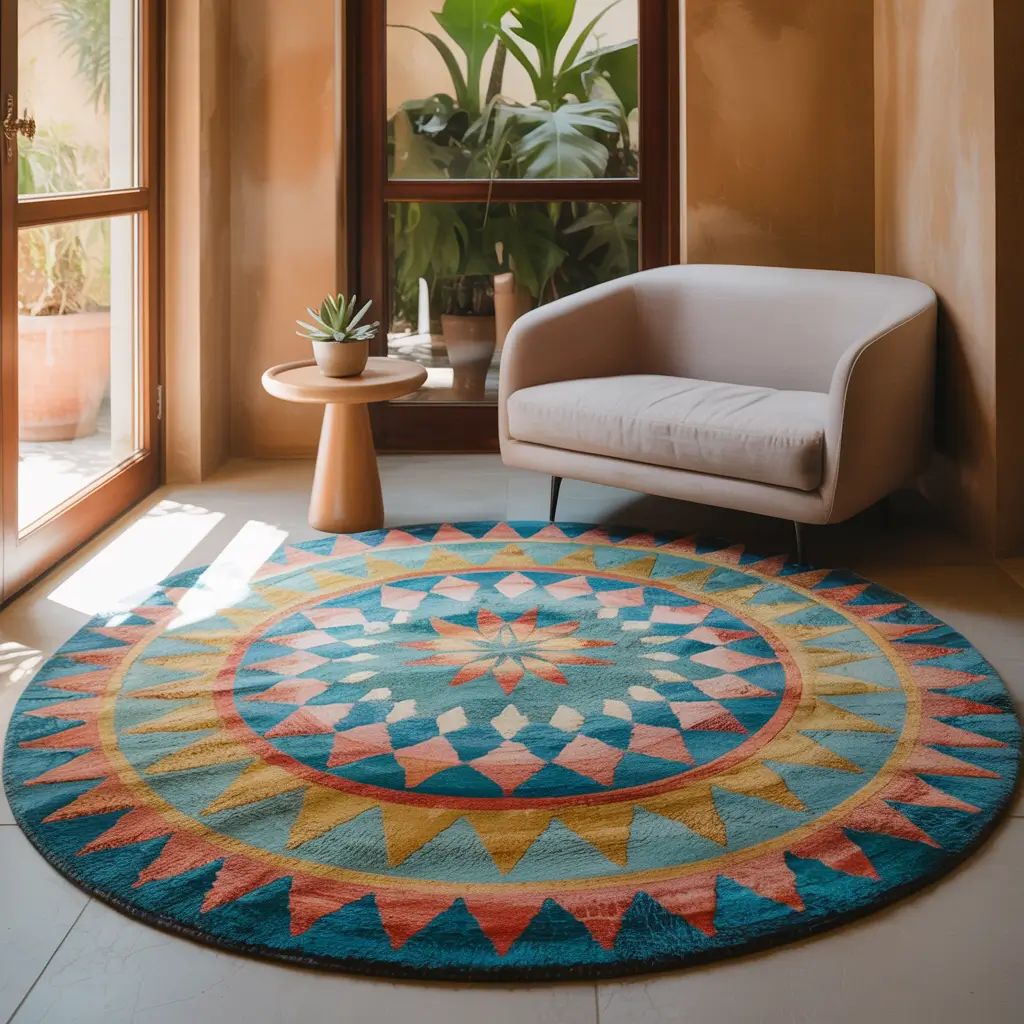
Here’s a hot take: A statement rug makes a small living room feel more spacious, not less.
I know it sounds counterintuitive—why would adding something to your floor make it feel bigger? But the right rug defines your seating area, anchors your furniture, and creates a cohesive look that tricks the eye into seeing a larger, more intentional space.
The key is size. Don’t go tiny—small rugs make everything look disconnected and choppy. You want a rug large enough that at least the front legs of your furniture sit on it. This groups everything together and makes your living room feel like one unified space rather than furniture randomly scattered around.
Rug guidelines for small living rooms:
- Go as large as your space allows (seriously, bigger is better here)
- Choose light or neutral colors for maximum spaciousness
- Pick low-pile rugs that don’t add visual weight
- Use patterns strategically—geometric or linear patterns can elongate spaces
- Round rugs can soften rectangular rooms and save corner space
I learned this the hard way with a too-small rug that made my furniture look like it was floating in an ocean. Upgraded to a properly sized rug, and suddenly my living room looked like actual interior designers had been involved.
Mirrors to Expand Space Visually
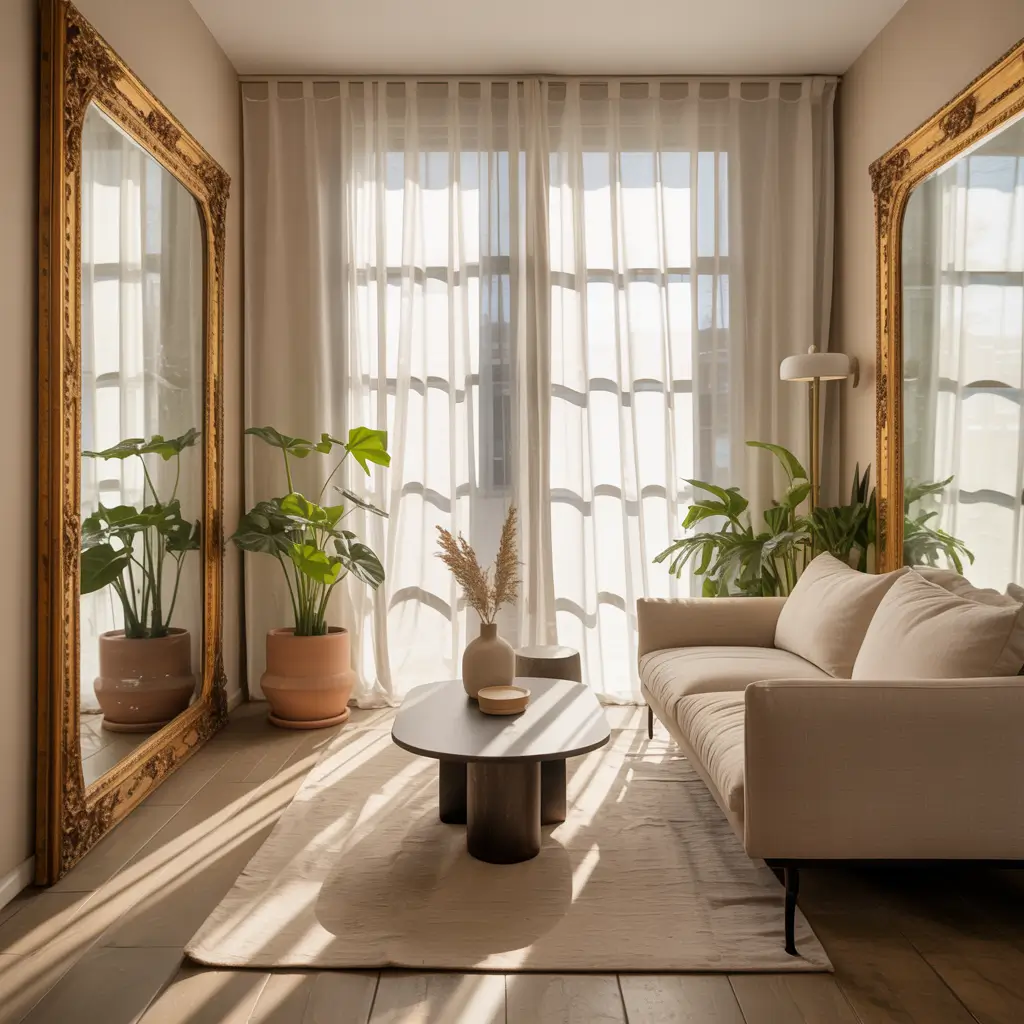
Alright, this one is practically cheating, but mirrors are the oldest trick in the small-space playbook for a reason—they absolutely work.
A strategically placed mirror literally doubles the visual space in your living room. It reflects light, creates depth, and makes your room feel brighter and more open. I’ve seen tiny living rooms feel twice their size just from one well-placed mirror.
Best mirror strategies:
- Large mirrors opposite windows to reflect natural light
- Mirror walls if you’re feeling bold (or want a dance studio vibe)
- Mirrored furniture pieces for subtle reflection
- Gallery wall of smaller mirrors for visual interest
- Leaning floor mirrors in corners to expand the space
Here’s what doesn’t work: tiny decorative mirrors scattered randomly around. That just looks messy. You want fewer, larger mirrors positioned to maximize light and create the illusion of depth.
I have a huge mirror across from my window, and the amount of light it bounces around is legitimately wild. Visitors always think my apartment is brighter than it actually is. It’s my favorite design secret.
Compact Work-from-Home Corners
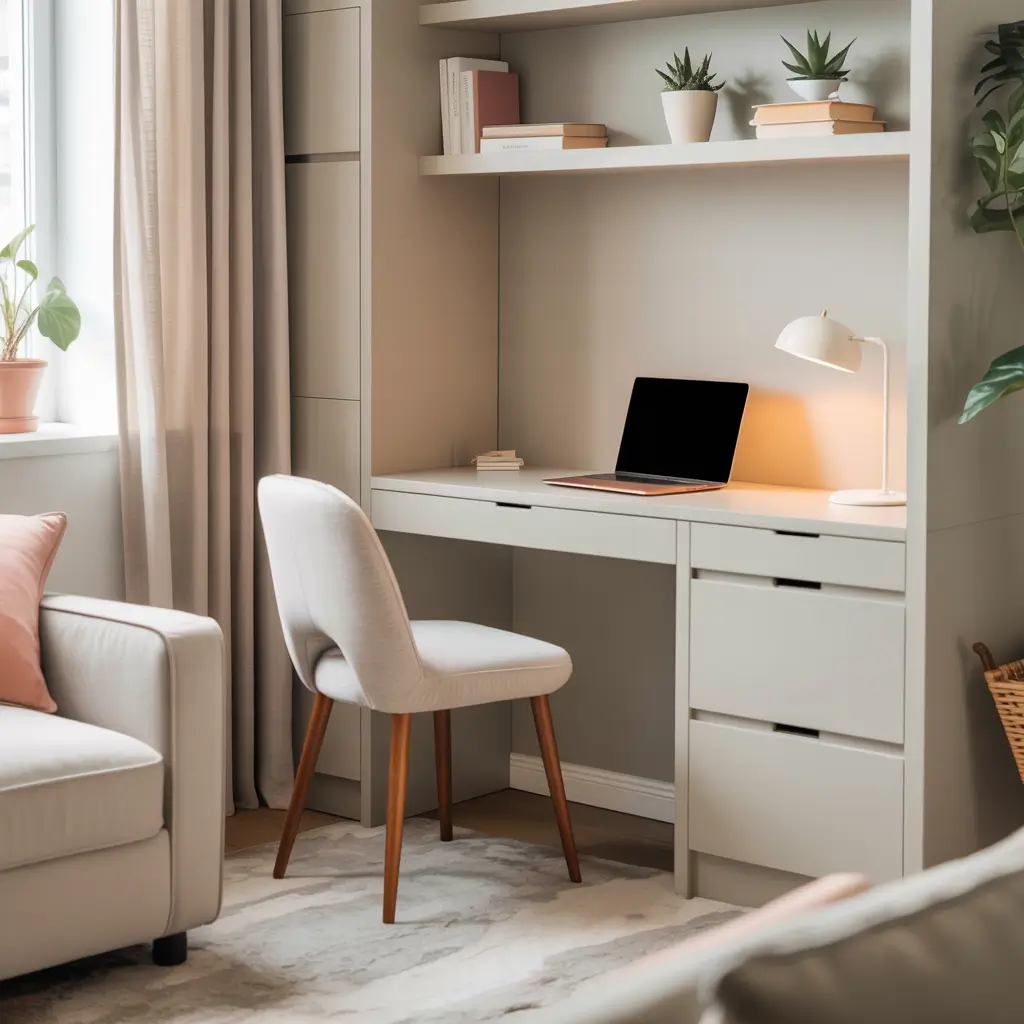
Let’s address the elephant in the room (or apartment, rather): Most of us work from home now, and we need desk space without sacrificing our entire living room.
Creating a compact work corner that doesn’t scream “I live at my office” requires some creativity. You want a dedicated workspace that you can mentally separate from your relaxation space, but you don’t have room for a whole home office setup.
Smart work-from-home solutions:
- Corner desks that maximize awkward spaces
- Floating wall desks that fold up when not in use
- Secretary desks with storage that closes up neatly
- Console tables behind sofas doing double duty
- Bar carts converted into mobile laptop stations (surprisingly effective)
The goal is creating boundaries. Even in a small space, you need to visually separate work from life. Position your work corner away from your TV if possible. Use a different lighting setup. Maybe add a small plant or desk lamp that you only use during work hours.
I work from a corner desk that fits perfectly in a spot that would otherwise be wasted space. When I’m done working, I close my laptop and turn off the desk lamp—that’s my signal that work is over. Sounds simple, but it genuinely helps with work-life balance when your living room is also your office.
Look, transforming a small apartment living room into a space that feels open and breathable isn’t about knocking down walls or moving to a bigger place (though if that’s an option, hey, go for it). It’s about being smarter with what you’ve got.
Every single tip here works because it prioritizes function and visual flow over just cramming stuff into your space. You’re not just decorating—you’re strategically designing a room that serves multiple purposes without feeling cluttered or cramped.
Start with one or two changes. Maybe mount that TV or grab a multifunctional coffee table. Add a mirror. Bring in a plant. Small changes add up fast, and before you know it, your tiny living room feels like a space you actually want to spend time in rather than apologize for.
Your small apartment living room has potential—it just needs you to unlock it. And honestly? Some of the coziest, most inviting spaces I’ve ever been in were also the smallest. There’s something special about a compact space that’s been thoughtfully designed. It feels intentional, curated, and somehow more personal than those cavernous living rooms where voices echo.
So go ahead, reclaim that space. Make it work for you. And when your friends ask how you made your apartment feel so much bigger, you can just smile and tell them you know a few tricks. 🙂